












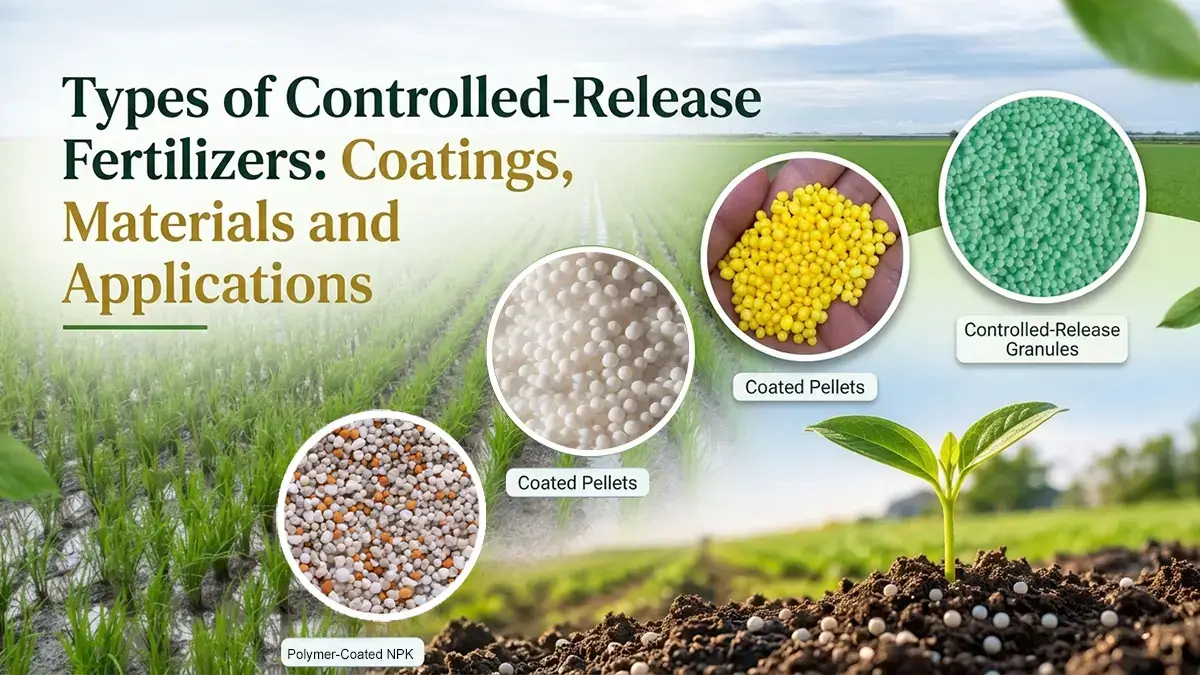
Compare 3-month, 6-month, and 9-month controlled-release fertilizers. Understand coating technology, nutrient release rates, temperature effects, and crop applications.
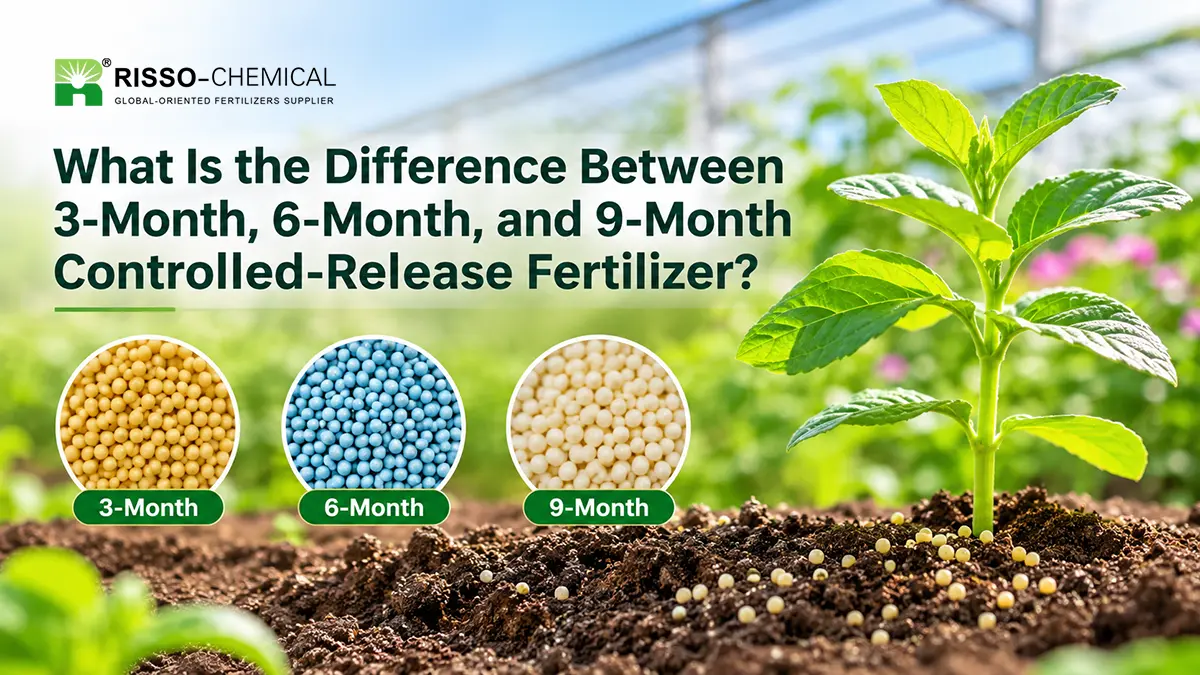
Compare 3-month, 6-month, and 9-month controlled-release fertilizers. Understand coating technology, nutrient release rates, temperature effects, and crop applications.
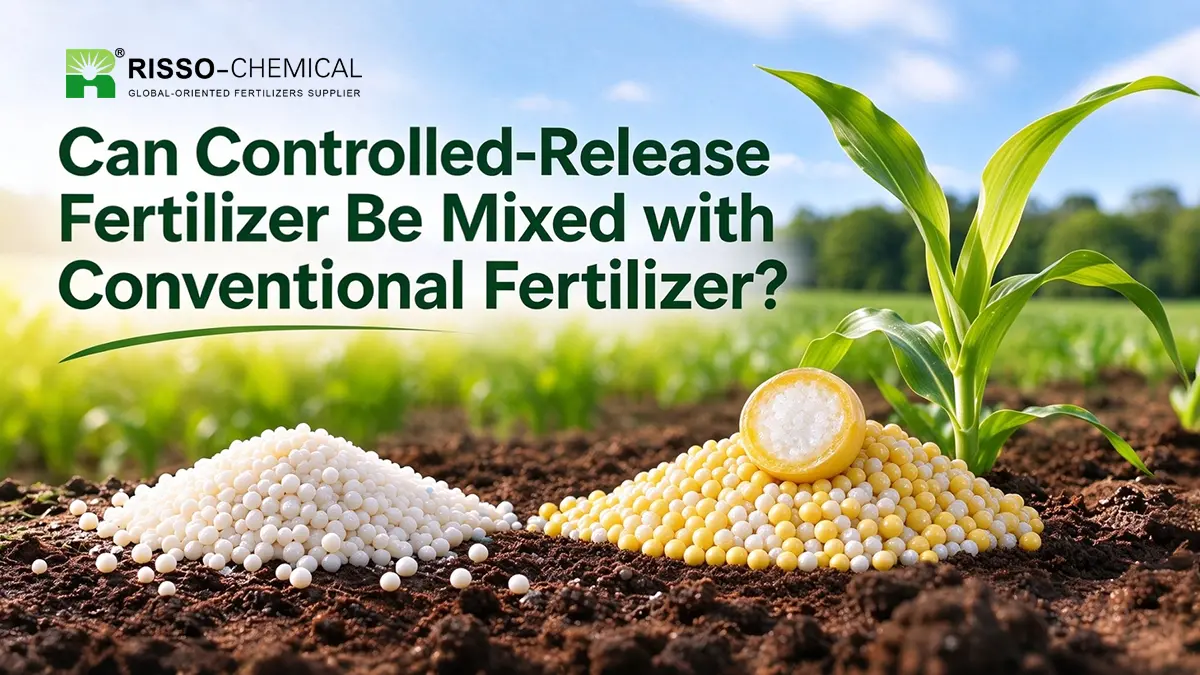
Learn how to mix controlled-release fertilizer with conventional fertilizer, including compatibility, blending methods, nutrient calculations, and application considerations.

Learn how polymer coated urea improves nitrogen efficiency in corn, rice, and other crops. Application tips, technical data, and PCU benefits explained.

Learn how to apply slow-release fertilizer properly for better plant growth, fewer applications, and long-term soil health.

Learn how polymer-coated urea (PCU) controls nitrogen release through a polymer coating. Explore release mechanisms, temperature, moisture, coating thickness, and PCU performance.

Learn the key differences between slow-release and controlled-release fertilizers, their nutrient delivery mechanisms, and their benefits for crop growth and sustainability.

A professional comparison of SCU and PCU urea, explaining coating mechanisms, nitrogen release behavior, agronomic performance, and application selection.

Discover what controlled release fertilizer (CRF) is, its benefits for efficient farming, and how it improves nutrient utilization and environmental sustainability.
-
Fertilizer Basics
 Fertilizer Basics
-
Crop Nutrition
 Crop Nutrition
-
Fertilizer Products
 Fertilizer Products
-
Application Guides
 Application Guides
-
Sustainable Agriculture
 Sustainable Agriculture
-
Fertilizer Technology
 Fertilizer Technology
-
Industry News
 Industry News
-
Company News
 Company News
-
Rice Guides
 Rice Guides
-
Corn Guides
 Corn Guides
-
Oil Palm Trees Guides
 Oil Palm Trees Guides
-
Durian Guides
 Durian Guides
-
Mango Guides
 Mango Guides
-
Tomato Guides
 Tomato Guides
-
Cannabis Guides
 Cannabis Guides
-
Turf & Landscape
 Turf & Landscape