














2026-09-23
Select language:

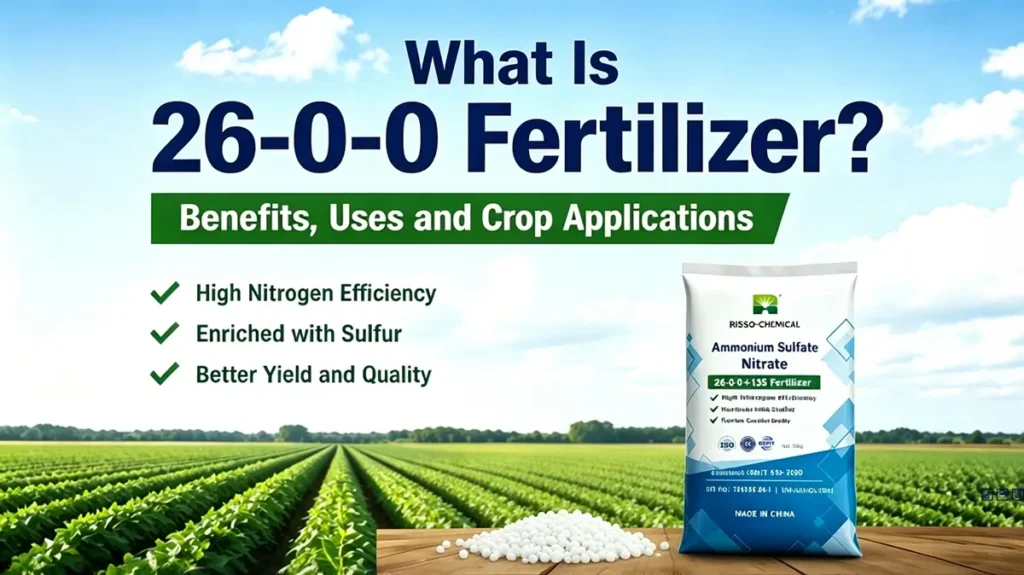
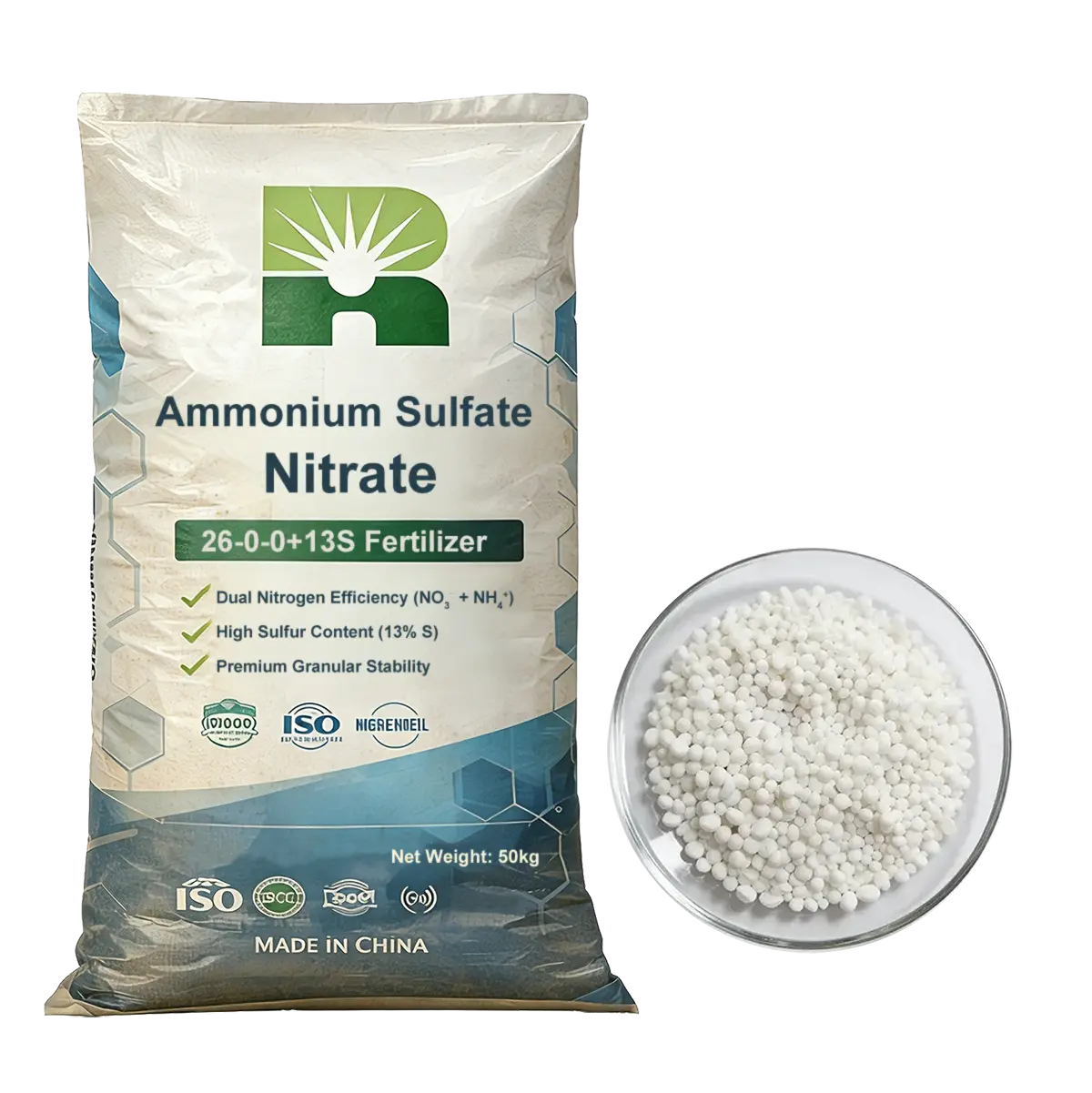
26-0-0 fertilizer is a widely used nitrogen and sulfur fertilizer in modern agriculture, commonly known as ASN fertilizer (Ammonium Sulfate Nitrate 26-0-0+13S). It provides a balanced combination of fast-acting nitrate nitrogen and sustained ammonium nitrogen, making it a strong solution for improving crop yield, nitrogen efficiency, and soil nutrition management.
At the beginning of modern fertilizer development, manufacturers such as Risso have focused on improving nitrogen efficiency and crop nutrient balance, especially in high-demand cereal and oilseed farming systems.
Today, 26-0-0 fertilizer is widely used in wheat, corn, rapeseed, and vegetable production, particularly in regions facing sulfur deficiency and nitrogen loss challenges.
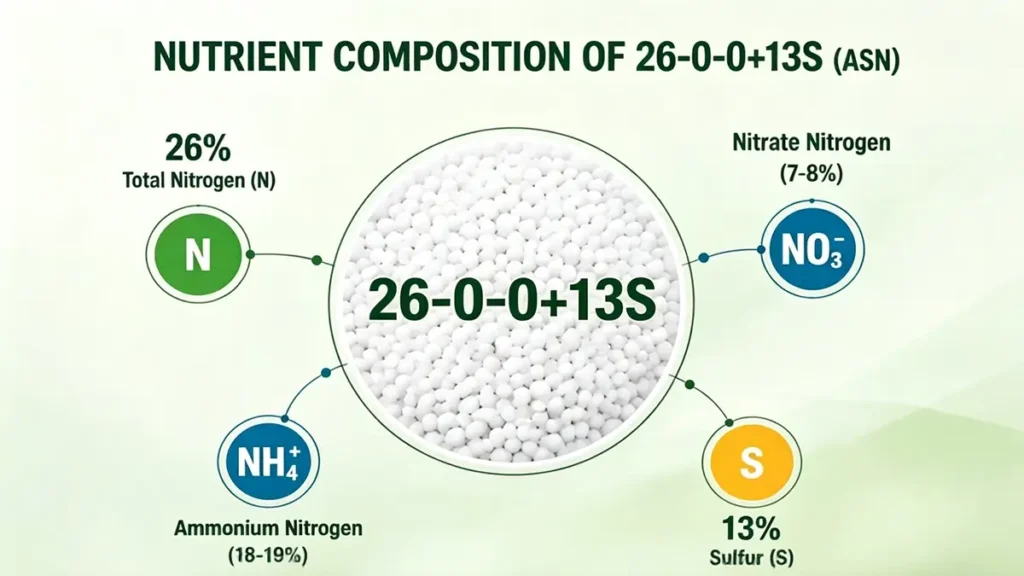
The NPK labeling system defines nutrient content:
This means 26-0-0 fertilizer is a high nitrogen fertilizer designed specifically for vegetative growth, chlorophyll formation, and protein synthesis.
Most commercial 26-0-0 products also include sulfur, forming 26-0-0+13S fertilizer, which significantly improves nitrogen uptake and crop protein quality.
Typical ASN-based 26-0-0 fertilizer contains:
Nitrogen promotes:
Sulfur supports:
This nutrient synergy improves overall fertilizer efficiency and crop performance.
The most common form of 26-0-0 fertilizer, used globally in cereal and oilseed production.
Advanced formulations improve nitrogen stabilization and sulfur availability, reducing nutrient loss and improving soil efficiency.
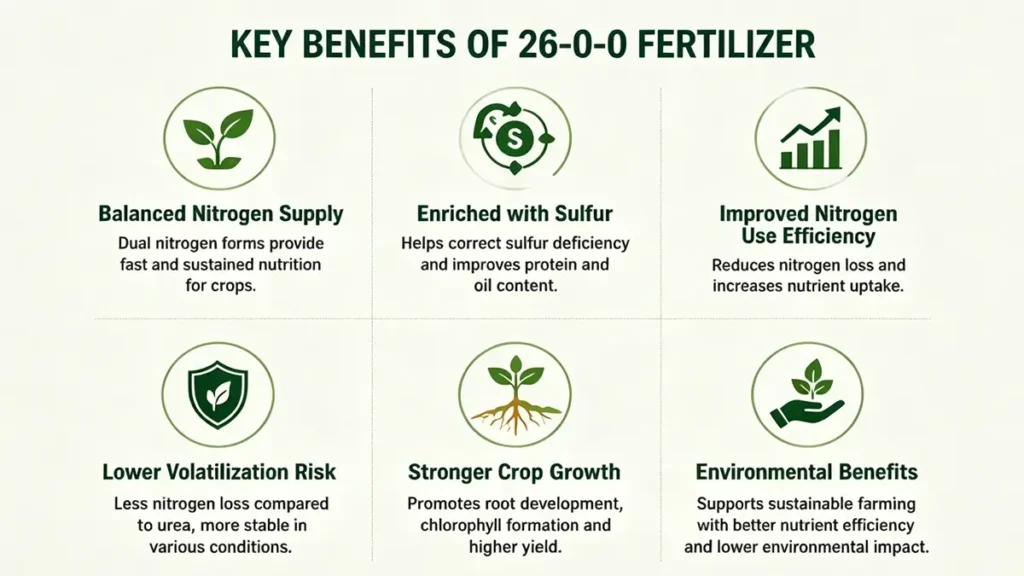
26-0-0 fertilizer provides several agronomic advantages:
In many modern farming systems, Risso 26-0-0 fertilizer solutions are used to support high-yield and precision agriculture programs.
One of the most important advantages of 26-0-0 fertilizer is improved Nitrogen Use Efficiency (NUE).
It achieves this through:
Compared with traditional urea fertilizers, ASN-based 26-0-0 products often provide more stable nitrogen uptake and better yield response, especially under high-temperature or alkaline soil conditions.
This fertilizer is widely used in:
Sulfur-containing nitrogen fertilizers are especially effective in high-demand cereal systems and sulfur-deficient soils.
| Feature | 26-0-0 Fertilizer | Urea 46-0-0 |
|---|---|---|
| Nitrogen Forms | Nitrate + Ammonium | Amide nitrogen |
| Sulfur Content | Yes (often 13%) | No |
| Release Pattern | Immediate + sustained | Fast release |
| Nitrogen Loss Risk | Lower | Higher |
| Crop Response Stability | High | Moderate |
Because of its balanced structure, 26-0-0 fertilizer is often preferred in systems requiring stable nitrogen delivery and sulfur supplementation.
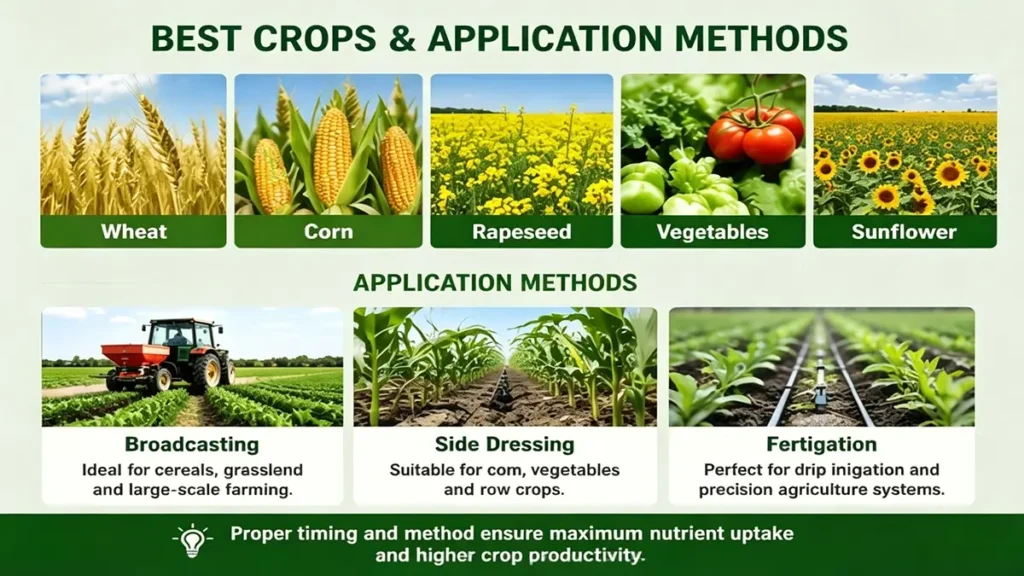
Common application methods include:
Best timing:
Proper timing improves nutrient uptake and reduces nitrogen loss.
26-0-0 fertilizer performs well in:
It is particularly useful where crops show signs of yellowing leaves, weak growth, or low protein content, often linked to nitrogen and sulfur imbalance.
Modern agriculture increasingly focuses on sustainable nitrogen management.
26-0-0 fertilizer contributes to:
At the end of many sustainable farming programs, products from suppliers such as Risso are often selected for their stable performance and compatibility with precision agriculture systems.
26-0-0 fertilizer is a highly efficient nitrogen fertilizer designed for modern agriculture. Its combination of nitrate nitrogen, ammonium nitrogen, and sulfur provides balanced nutrition for crops requiring high productivity and quality output.
With growing demand for nitrogen efficiency fertilizers, sulfur-enriched crop nutrition, and sustainable agriculture solutions, 26-0-0 products continue to play a key role in global farming systems.
In advanced fertilizer programs, companies like Risso support growers with stable, efficient nutrient solutions designed to improve crop yield while reducing environmental impact.
Yes. It improves both yield and grain protein by supplying nitrogen and sulfur together.
It provides dual nitrogen forms and reduces nitrogen loss, improving efficiency.
Yes. The sulfur component helps correct deficiency in many soils.
Yes, it is widely used in fertigation and controlled nutrient systems.
If you want to know other questions about nitrogen fertilizer, please contact us and we will provide professional answers.
✔ Quick & helpful reply within 6 hours.
✔ Tailored solutions for your project.
✔ One-stop product, tech, market

Want to find a China fertilizer manufacturer?
Risso will be your best choice; send us your request for your fertilizer details requirement
© Copyright 2017 RISSO CHEMICAL. All Rights Reserved.