















2026-10-21
Select language:

Nitrogen fertilizer is one of the most important inputs in modern agriculture and crop production systems. As a primary macronutrient (NPK), nitrogen directly influences plant growth, chlorophyll formation, biomass accumulation, and final crop yield.
With increasing global demand for higher agricultural productivity, efficient nitrogen management has become a key factor in sustainable farming. Advanced fertilizer technologies—such as controlled-release nitrogen fertilizers and liquid nitrogen solutions—are widely used to improve nutrient use efficiency and reduce environmental losses.
Risso Chemical provides a complete range of nitrogen fertilizer solutions, including urea-based products, ammonium fertilizers, coated fertilizers, and liquid nitrogen formulations, designed for different crops and soil conditions.
Nitrogen fertilizer refers to any fertilizer product that supplies nitrogen (N) in plant-available forms to support crop growth and development.
Plants mainly absorb nitrogen in three chemical forms:
These nitrogen sources are essential for protein synthesis, enzyme activity, and chlorophyll production.
Without sufficient nitrogen, crops typically show:
Nitrogen is often referred to as the “growth driver” of plants due to its critical biological functions:
Nitrogen is a key component of chlorophyll, enabling plants to efficiently convert sunlight into energy.
It is essential for building amino acids, proteins, and enzymes that support plant structure and metabolism.
Nitrogen promotes rapid leaf expansion, stem elongation, and canopy development.
Proper nitrogen nutrition significantly improves crop yield, grain filling, and harvest quality.
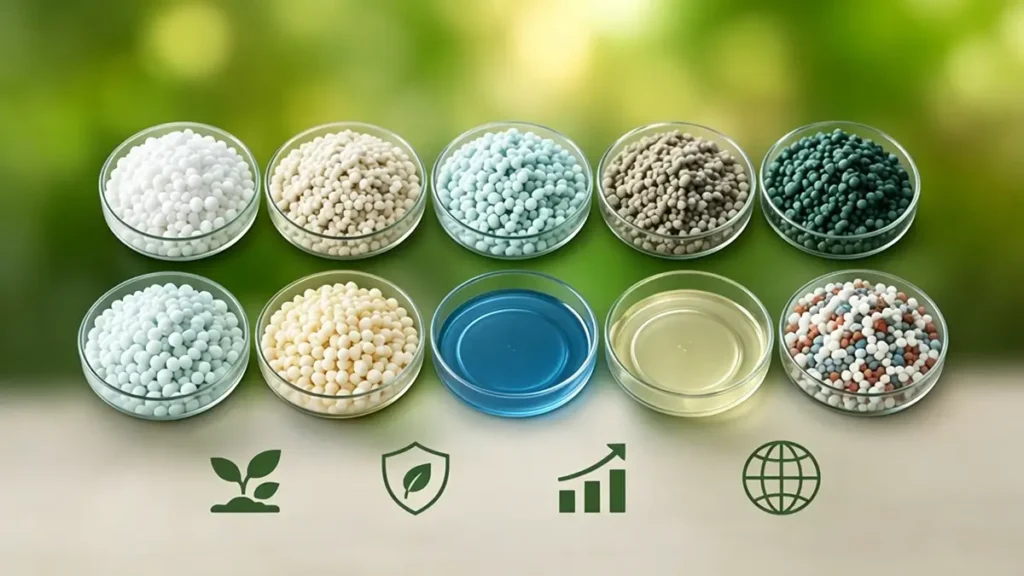
Different nitrogen fertilizer types are used depending on crop requirements, soil conditions, and application methods.
Urea is the most widely used nitrogen fertilizer globally due to its high nitrogen concentration and cost efficiency.
Key Features:
Risso supplies agricultural-grade urea and advanced coated urea for improved nitrogen efficiency and controlled release performance.
Includes ammonium sulfate, ammonium chloride, and ammonium bicarbonate.
Key Advantages:
Widely used in cereals, vegetables, fruit crops, and industrial farming systems.
Nitrate fertilizers provide immediately available nitrogen for rapid crop response.
Key Features:
Controlled-release fertilizers are designed to release nitrogen gradually over time through polymer or sulfur coatings.
Advantages:
Risso polymer-coated urea (PCU) and sulfur-coated urea (SCU) are designed for long-term nutrient release (60–180 days), supporting precision agriculture and sustainable farming.
Urea-Ammonium Nitrate (UAN) is a high-efficiency liquid nitrogen fertilizer widely used in modern precision agriculture.
Benefits:
Organic nitrogen sources include compost, manure, and plant-based residues.
Key Benefits:
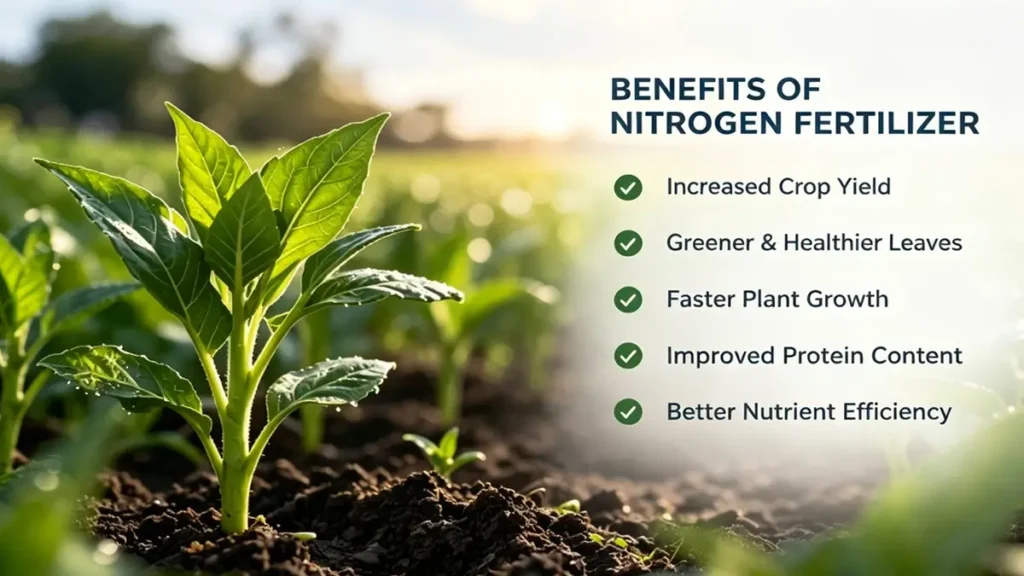
Nitrogen fertilizers provide multiple agronomic and economic advantages:
Nitrogen is directly linked to higher crop productivity and improved harvest output.
Improves leaf color, grain protein content, and overall plant vigor.
Supports rapid vegetative development during early growth stages.
Enhances root absorption capacity and nutrient uptake efficiency.
Higher yield and improved crop quality result in better return on fertilizer investment.
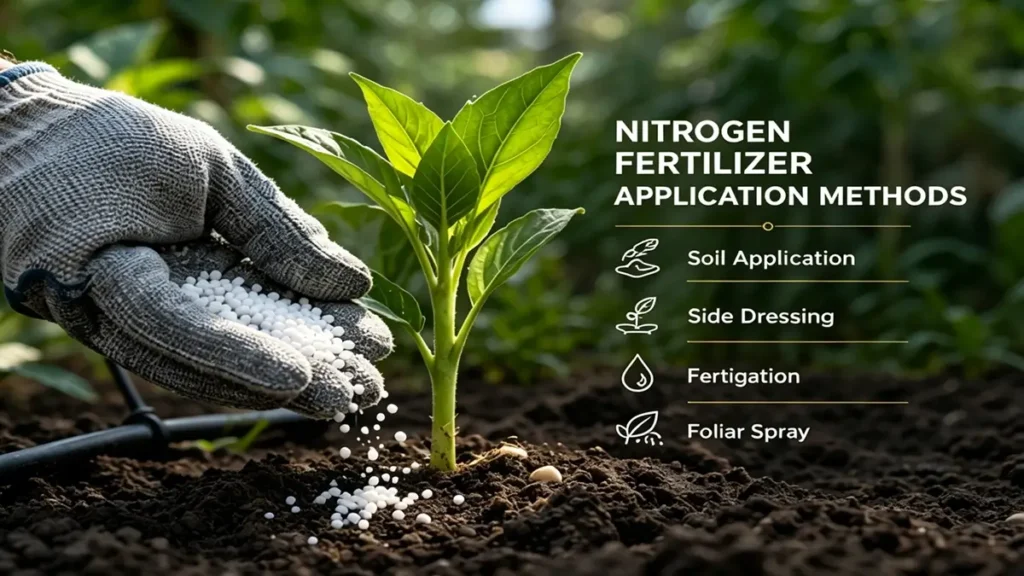
Proper application is critical to maximize fertilizer efficiency and minimize environmental loss.
Applied before or during planting to provide a stable nitrogen base for crops.
Applied during key growth stages to meet increasing nitrogen demand.
Dissolved in irrigation water for precise and uniform nutrient delivery.
Applied directly to leaves for rapid correction of nitrogen deficiency.
Efficient nitrogen management improves yield and reduces environmental impact:
These practices significantly improve nitrogen use efficiency (NUE) and support sustainable agriculture.
Improper nitrogen use can lead to environmental challenges such as:
Modern fertilizer technologies, including controlled-release fertilizers and precision application systems, help significantly reduce these environmental risks.
Risso Chemical provides high-performance nitrogen fertilizer solutions designed for modern agriculture:
With advanced production capability and strict quality control, Risso ensures consistent nutrient performance and stable crop results in different agricultural environments.
Nitrogen fertilizer is a fundamental component of global agricultural productivity. From conventional urea and ammonium fertilizers to advanced controlled-release and liquid nitrogen solutions, each product type plays a specific role in modern crop nutrition strategies.
Selecting the right nitrogen fertilizer and applying it scientifically can significantly improve crop yield, enhance soil health, and support sustainable agricultural development.
Risso Chemical continues to deliver advanced nitrogen fertilizer solutions that combine high efficiency, agronomic performance, and environmental responsibility—supporting global farmers in achieving higher productivity with optimized input management.
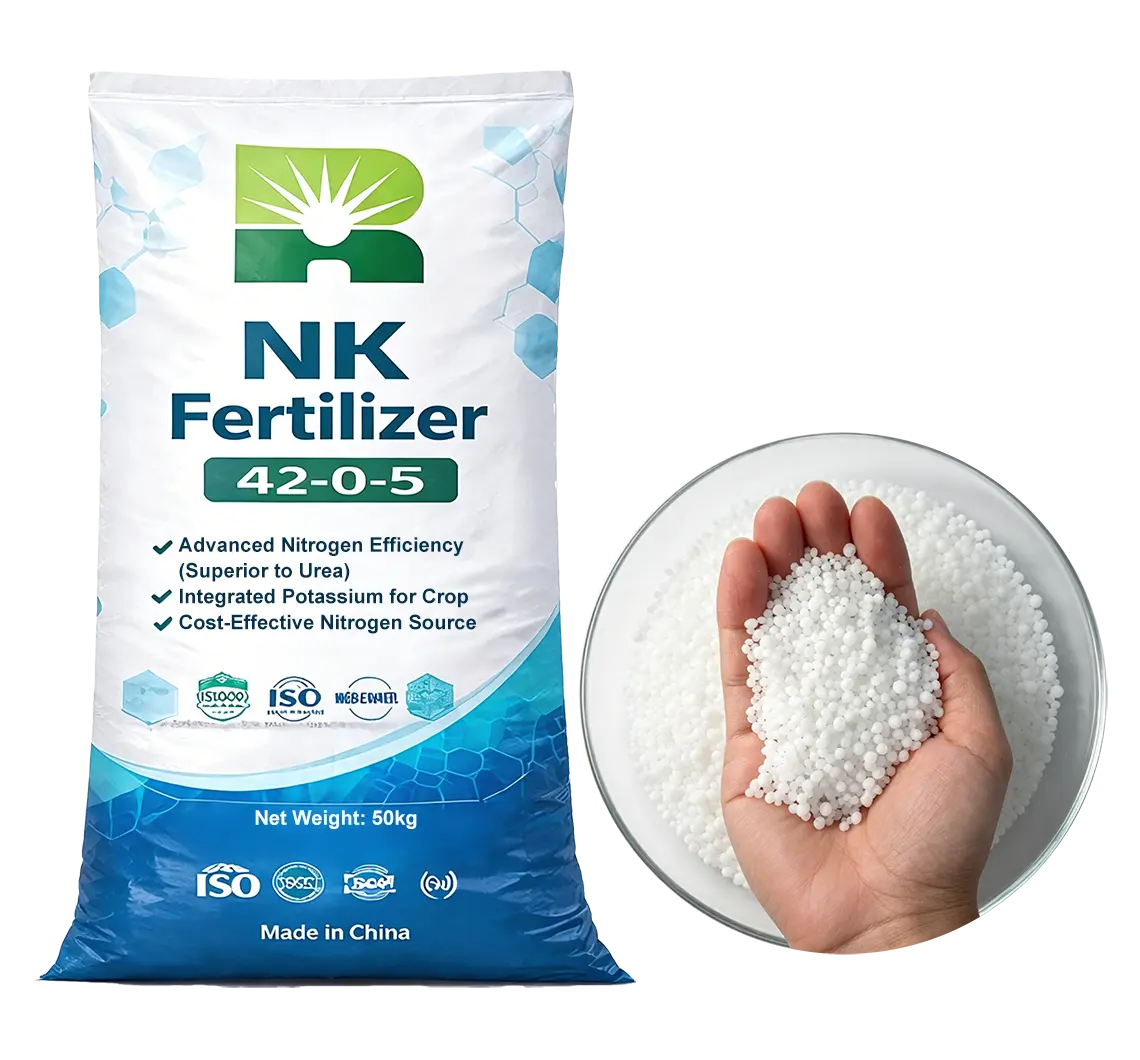
Nitrogen fertilizer is a type of fertilizer that supplies nitrogen in plant-available forms such as nitrate, ammonium, and Urea, supporting plant growth, chlorophyll production, and yield formation.
Urea is the most widely used nitrogen fertilizer globally due to its high nitrogen content (46%) and cost efficiency, making it suitable for most crops.
Nitrogen fertilizer promotes leaf development, photosynthesis, and protein synthesis, leading to faster vegetative growth, improved plant vigor, and higher crop yields.
The main types include urea fertilizers, ammonium-based fertilizers, nitrate fertilizers, liquid fertilizers such as UAN, and controlled-release fertilizers for improved efficiency.
Efficient use includes split application, matching fertilizer type to crop growth stages, and using controlled-release products to reduce nutrient loss and improve nitrogen use efficiency (NUE).
If you want to know other questions about nitrogen fertilizer, please contact us and we will provide professional answers.
✔ Quick & helpful reply within 6 hours.
✔ Tailored solutions for your project.
✔ One-stop product, tech, market

Want to find a China fertilizer manufacturer?
Risso will be your best choice; send us your request for your fertilizer details requirement
© Copyright 2017 RISSO CHEMICAL. All Rights Reserved.