









Fertilizers are essential for healthy plant growth, and choosing the right one can significantly impact your plants' success. One such widely used option is NPK 16-16-16 fertilizer, a balanced mix of nitrogen (N), phosphorus (P), and potassium (K). Its even nutrient ratio makes it suitable for a broad range of plants and soil types. In this blog, we’ll dive into the best uses for NPK 16-16-16...

Discover the best uses for NPK 10-52-10 fertilizer, a high-phosphorus formulation ideal for promoting root development, flowering, and fruiting in various plants. Learn how to apply this powerful fertilizer effectively to maximize growth and yields in your garden. In this blog, we will explore the best uses of both NPK 10-52-10 compound fertilizer and NPK 10-52-10 water-soluble fertilizer...

Optimal Timing for Applying NPK Fertilizer: A Guide for Gardeners Applying NPK fertilizer at the right time is crucial for maximizing its benefits and ensuring your plants thrive. Understanding when to fertilize can help improve nutrient uptake, enhance growth, and promote blooming. In this post, we’ll explore the optimal timing for applying NPK fertilizer to achieve the best results in your garden.

Learn how to choose the right NPK fertilizer for your plants. Selecting the ideal NPK fertilizer is a crucial step in supporting your plants' health and maximizing their growth potential. understanding these needs can make all the difference in achieving vibrant foliage, This guide covers NPK ratios, fertilizer types, and tips for healthy, vibrant growth in your garden.

NPK fertilizer application refers to the process of applying nitrogen (N), phosphorus (P), and potassium (K) fertilizers to plants or crops to optimize their growth. The right application method and timing are crucial for ensuring that plants receive the necessary nutrients at the right stages of their growth cycle. Here are key factors and methods for applying NPK fertilizers
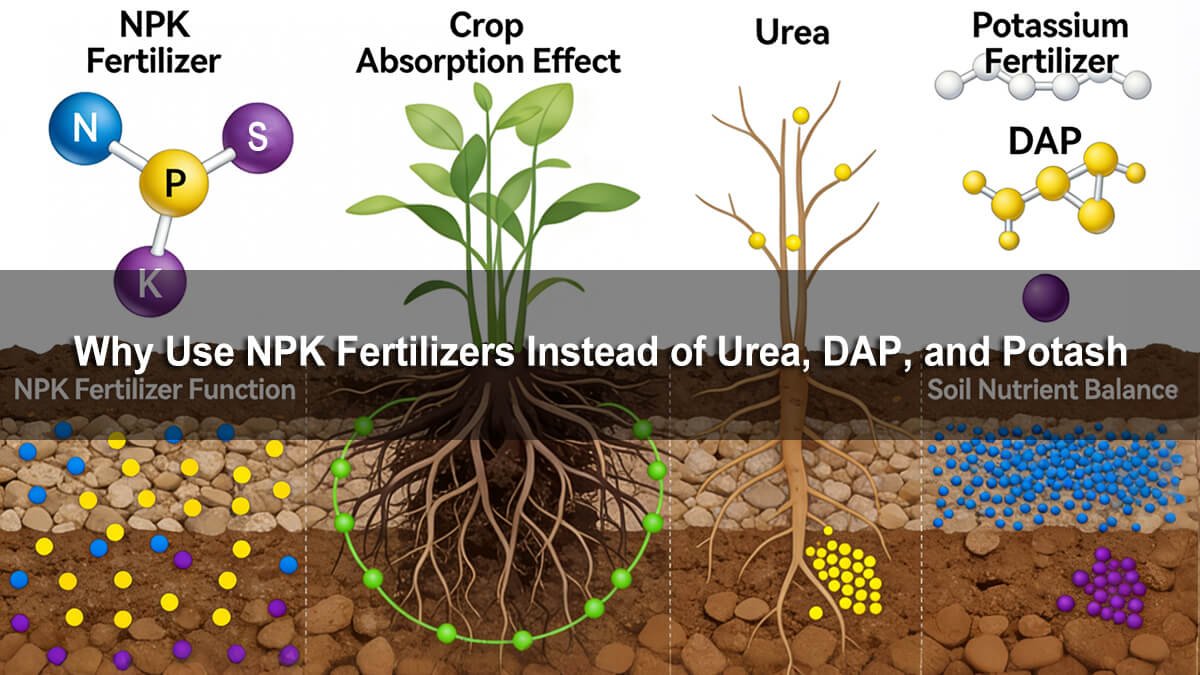
Learn why NPK fertilizers outperform using urea, DAP, and potash alone. Understand balanced nutrition, crop benefits, and how Risso supports sustainable farming.

NPK fertilizer application refers to the process of applying nitrogen (N), phosphorus (P), and potassium (K) fertilizers to plants or crops to optimize their growth. The right application method and timing are crucial for ensuring that plants receive the necessary nutrients at the right stages of their growth cycle. Here are key factors and methods for applying NPK fertilizers

Solid urea or ammonium nitrate (ammonium nitrate phosphorus, etc.) is heated and melted to become a molten liquid. The corresponding phosphate fertilizer, potassium fertilizer, and other elements are added to the molten liquid. The additives are made into a mixed slurry and sprayed from the top of the granulation tower, so that the surface tension when it is...
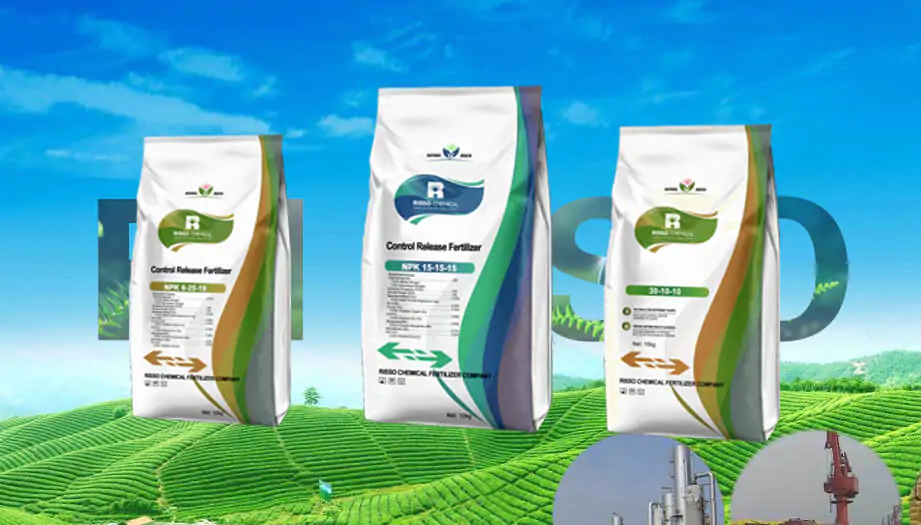
NPK Compound fertilizer has high nutrient content and many types of nutrient elements. One application of compound fertilizer can supply at least two or more main nutrient elements to crops at the same time. The nutrient distribution of NPK fertilizer is relatively uniform. After forming particles, compared with powdered or crystalline unit fertilizers, it has....

If you’re unfamiliar with the science behind fertilizers, you might be wondering, what does that trio of numbers on the fertilizer bag mean? The simplest explanation is that fertilizers are plant food. But when you walk into a plant store, greenhouse, or hardware store, it quickly becomes apparent that it’s not that simple. There will be a whole section teeming with different fertilizer options. Often it’s easiest to grab whichever one has the name of the plant you’re trying to feed, like tomato, or evergreen, or bloom fertilizer. Generally, it’s not a bad thing to pick up a fertilizer designed for the plant you want to feed. Plant-specific fertilizers have more of the targeted nutrients those pla
-
Fertilizer Basics
 Fertilizer Basics
-
Crop Nutrition
 Crop Nutrition
-
Fertilizer Products
 Fertilizer Products
-
Application Guides
 Application Guides
-
Sustainable Agriculture
 Sustainable Agriculture
-
Fertilizer Technology
 Fertilizer Technology
-
Industry News
 Industry News
-
Company News
 Company News
-
Rice Guides
 Rice Guides
-
Corn Guides
 Corn Guides
-
Oil Palm Trees Guides
 Oil Palm Trees Guides
-
Durian Guides
 Durian Guides
-
Mango Guides
 Mango Guides
-
Tomato Guides
 Tomato Guides
-
Cannabis Guides
 Cannabis Guides
-
Turf & Landscape
 Turf & Landscape