












Learn about the different types of NPK fertilizers, Discover how to choose the right fertilizer type for your crops, including granular, liquid, water-soluble, and slow-release options.
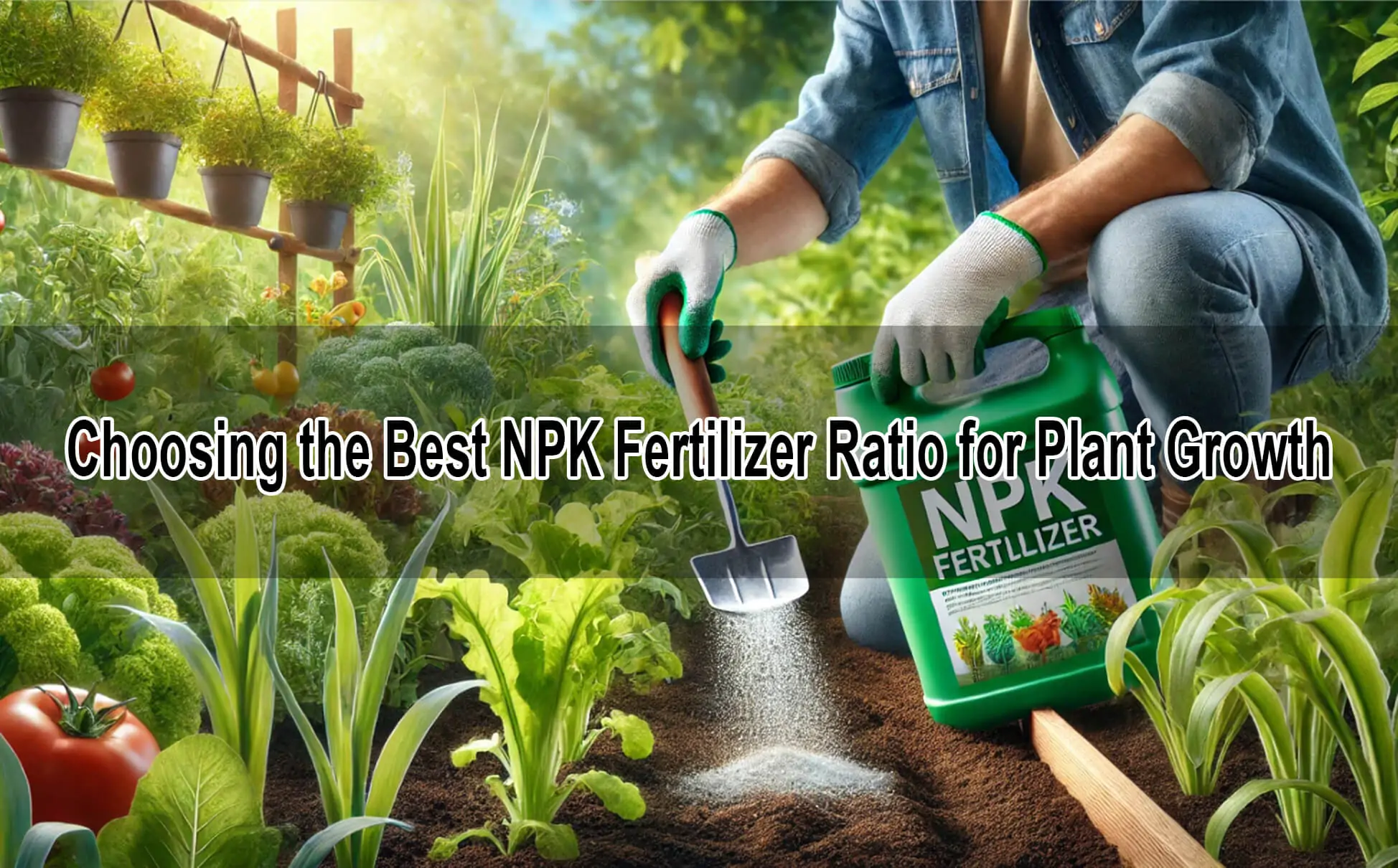
Learn how to choose the right NPK fertilizer ratio to boost plant growth, improve soil health, and maximize yield with expert tips...
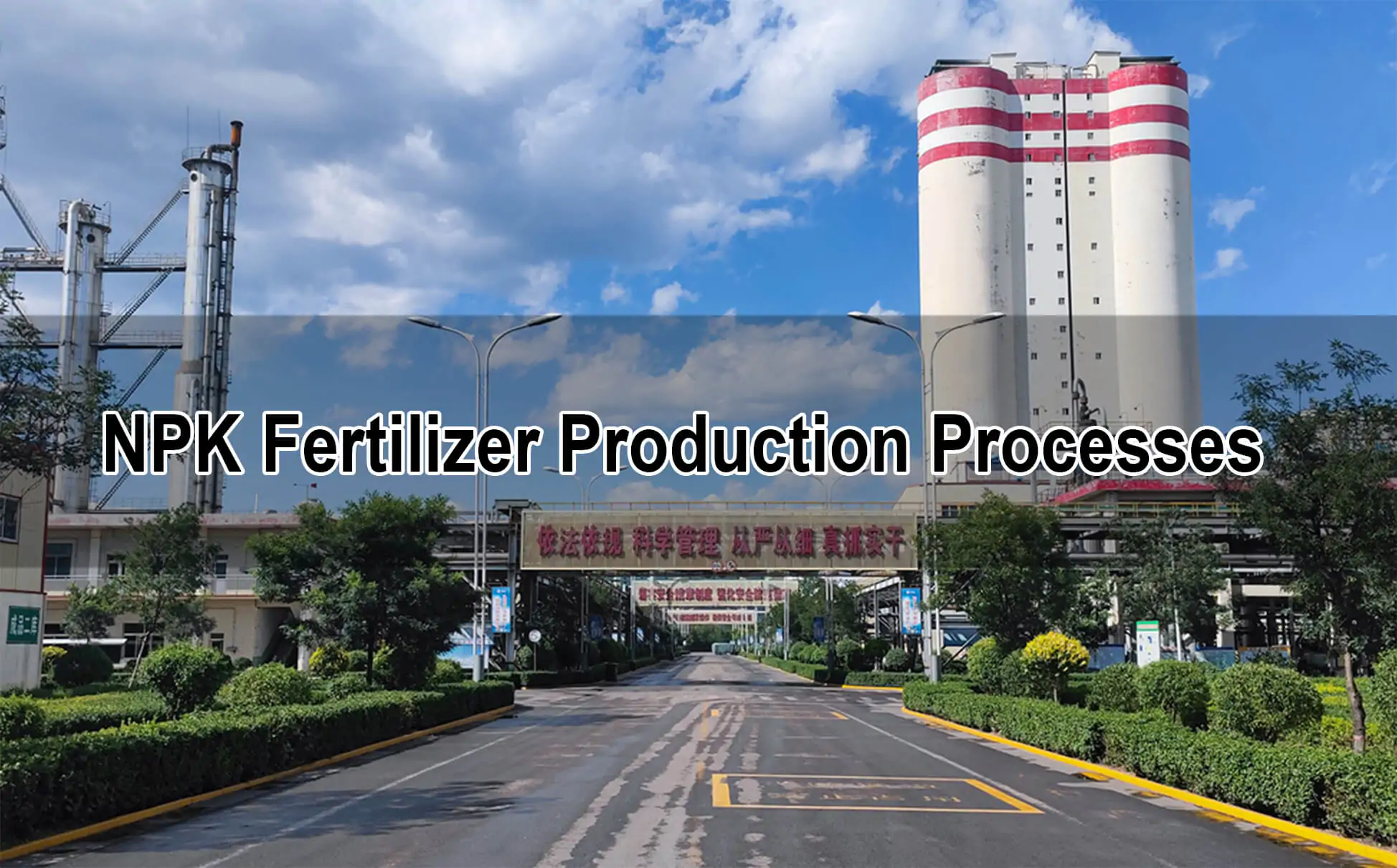
Explore NPK fertilizer production methods—drum, tower, and compression granulation. Learn about their principles, benefits, and industrial applications.

Explore the top 10 NPK fertilizer manufacturers in the industry. Discover their products, sustainability efforts, and how they contribute to improving crop yields and food security...
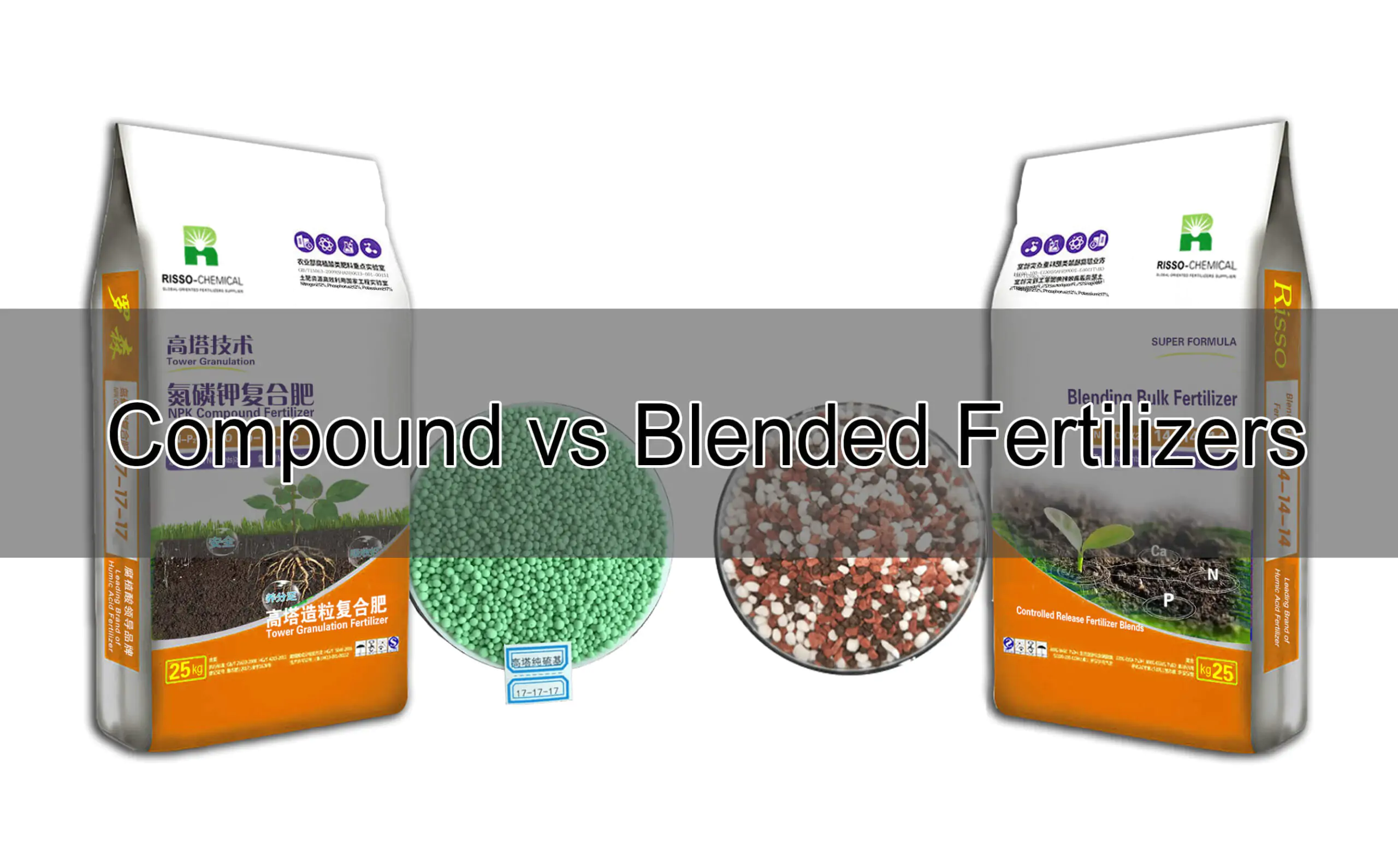
Learn the key differences between compound and blending fertilizers, including production methods, nutrient content, and application efficiency for optimal crop growth.
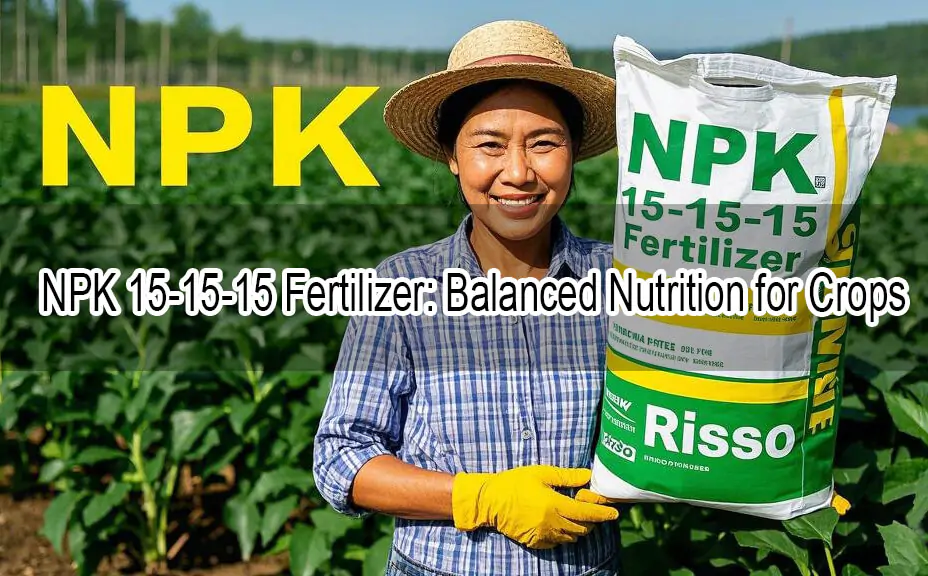
Learn how NPK 15-15-15 fertilizer delivers balanced nutrients to boost plant growth, improve yields, and enhance soil fertility for optimal farming results...
Discover the correct usage of NPK 14-14-14 fertilizer to ensure balanced nutrition for crops at all growth stages, enhancing growth and maximizing yield potential.
Learn how to calculate the NPK ratio, understand common fertilizer types, and choose the right NPK fertilizer for your plants. Practical tips included!
Learn the key differences between compound and mixed fertilizers, their benefits, cost, and best uses to maximize crop yield and soil fertility.
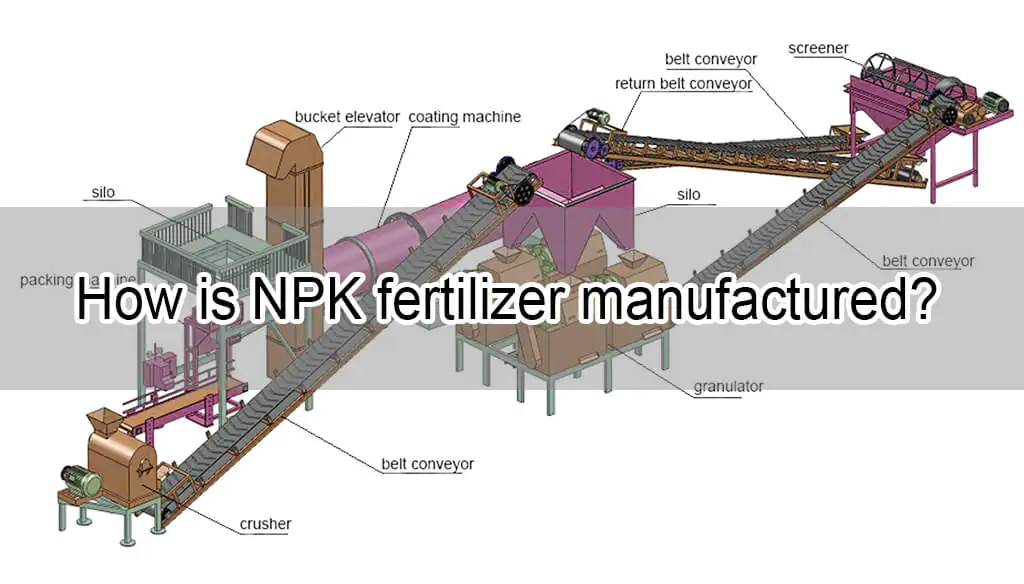
Learn how NPK fertilizers are manufactured, This comprehensive guide covers key production methods, including tower granulation, nutrient formulation, mixing, drying, and quality control.
-
Fertilizer Basics
 Fertilizer Basics
-
Crop Nutrition
 Crop Nutrition
-
Fertilizer Products
 Fertilizer Products
-
Application Guides
 Application Guides
-
Sustainable Agriculture
 Sustainable Agriculture
-
Fertilizer Technology
 Fertilizer Technology
-
Industry News
 Industry News
-
Company News
 Company News
-
Rice Guides
 Rice Guides
-
Corn Guides
 Corn Guides
-
Oil Palm Trees Guides
 Oil Palm Trees Guides
-
Durian Guides
 Durian Guides
-
Mango Guides
 Mango Guides
-
Tomato Guides
 Tomato Guides
-
Cannabis Guides
 Cannabis Guides
-
Turf & Landscape
 Turf & Landscape