










Learn how to choose the best organic fertilizer based on soil type, plant needs, and sustainability for optimal growth and soil health...

Explore the types of organic fertilizers, including animal, plant, and mineral-based options, to enrich your soil and support sustainable farming practices.

Discover the best organic fertilizers for healthier crops and more fertile soil, providing a sustainable solution for plants to thrive
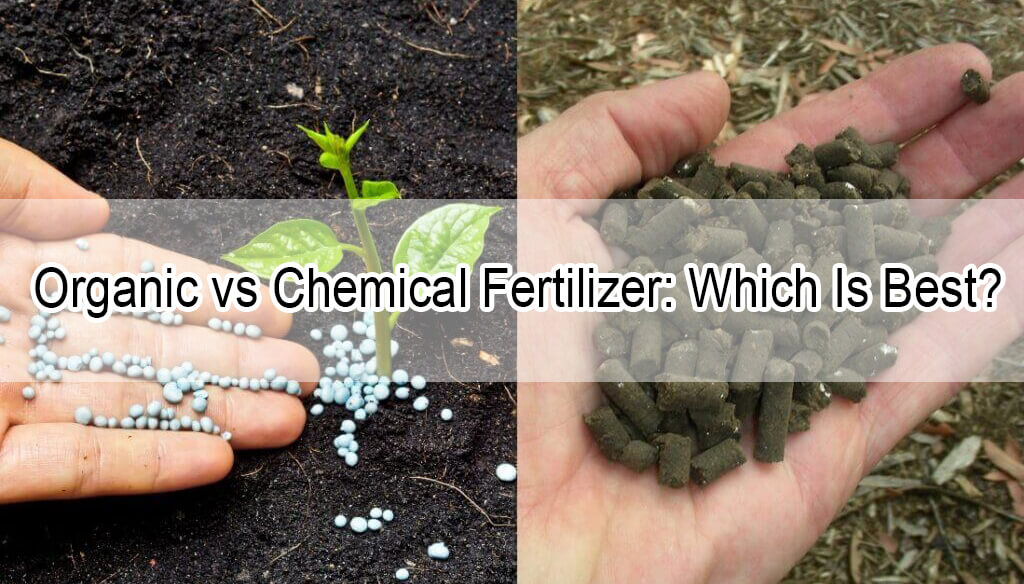
Discover the key differences between organic and chemical fertilizers. This blog provides an in-depth comparison of their benefits, challenges, and impacts on plant health...
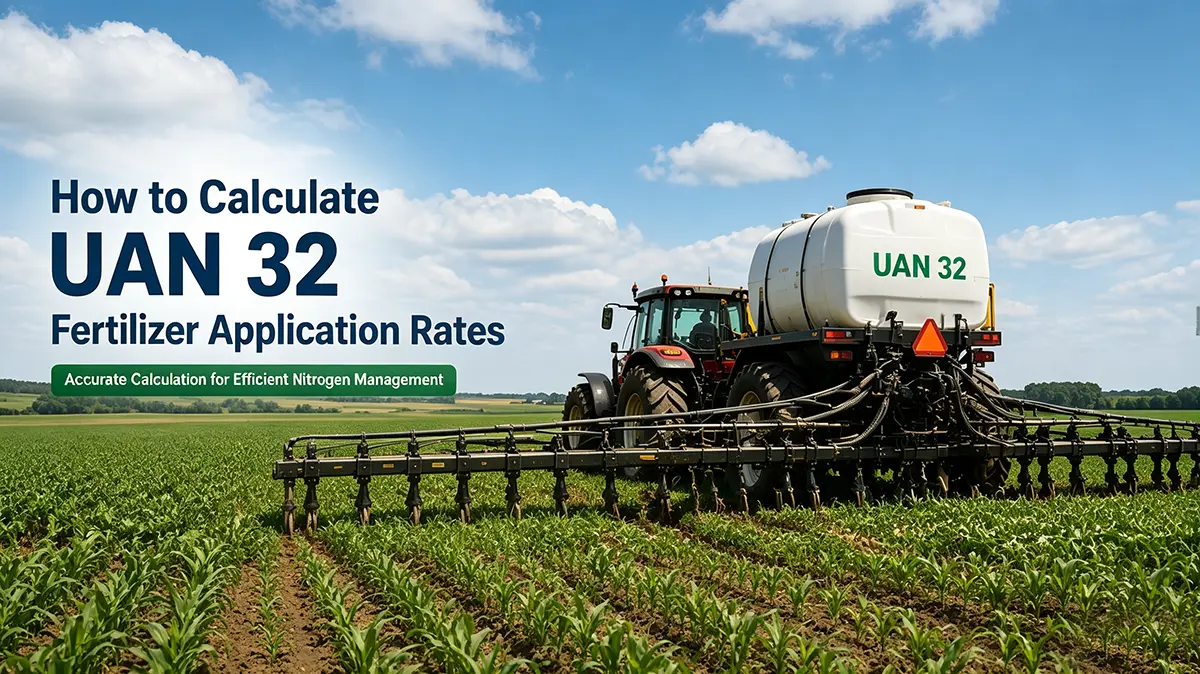
Learn how to calculate UAN 32 fertilizer application rates using nitrogen requirements, density, and L/ha conversion for accurate liquid nitrogen management.
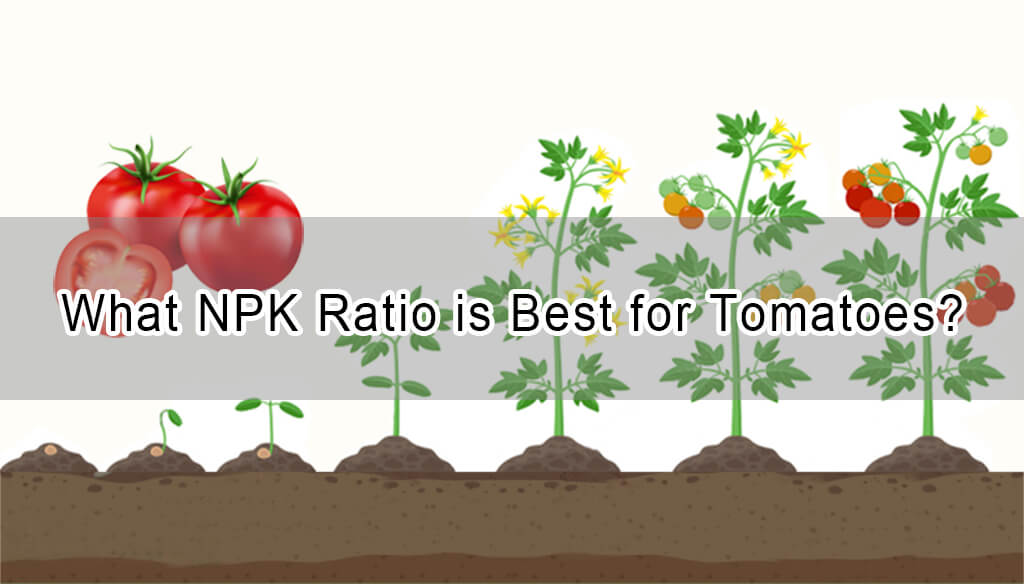
Tomatoes are one of the most popular crops grown in home gardens and on farms. To achieve a bountiful harvest, understanding the right fertilizer to use is essential. The key to growing healthy tomatoes lies in using the proper balance of nutrients, especially nitrogen (N), phosphorus (P), and potassium (K), known as NPK. In this blog, we’ll explore the best NPK ratios for tomatoes...
Complete guide to nitrogen fertilizer types, benefits, and applications. Learn how to improve crop yield and efficiency with advanced nitrogen solutions.
Learn how to apply calcium nitrate fertilizer with practical guidance on application methods, timing, rates, fertigation, and crop-specific best practices from Risso.
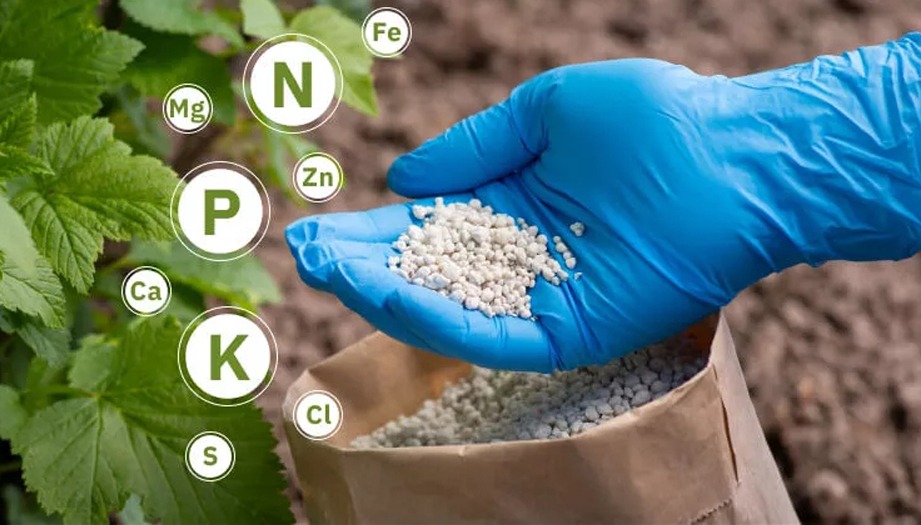
Types Of Fertilizers And How To Pick The Right One Fertilizers play a crucial role in ensuring that plants receive the nutrients they require for optimal growth and development. Different types of plant fertilizers are accessible to farmers, but the two most common are organic and inorganic. Nutrients in organic products are gradually released while the substance decomposes over time, while artificially synthesized inorganic products allow for the rapid uptake of nutrients by plants. However, the organic type of fertilizer is better for the soil and t
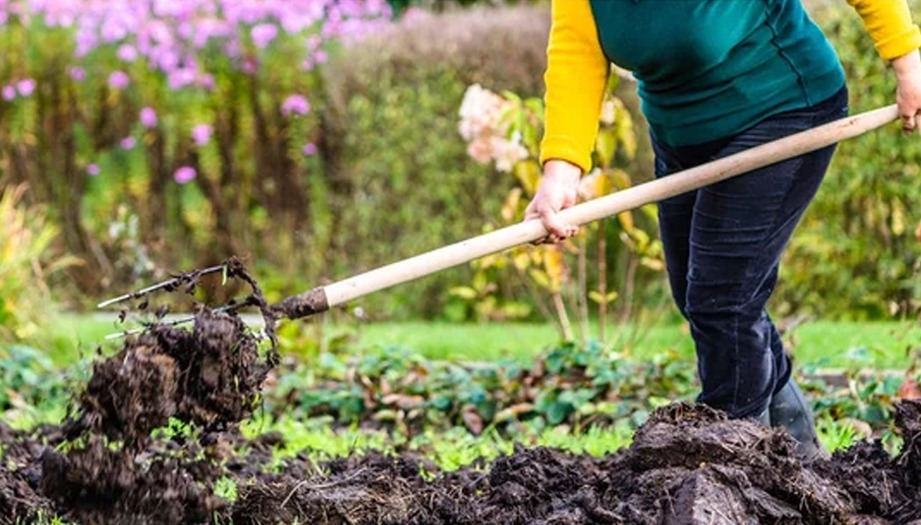
In our quest for vibrant gardens, organic garden fertilizer emerges as a hero. Sourced from natural materials, this fertilizer is rich in essential nutrients such as nitrogen, phosphorus, and potassium. Unlike chemical fertilizers, it improves soil structure, enhances microbial activity, and increases water retention. These benefits make organic garden fertilizer a cornerstone for healthy, flourishing plants.
