











Select language:

Let more growers get greater benefits

Home » UAN 32, ASN 26-0-0+13S and NPK: A Terms and Acceptance Matrix

UAN 32, ASN 26-0-0+13S and NPK: A Terms and Acceptance Matrix

Comparing liquid UAN 32, granular ASN 26-0-0+13S and granular NPK is not a question of which fertilizer is better. It is a question of which form fits the application system, and which acceptance criteria protect the buyer once the contract is signed. UAN 32 supplies up to 32% total nitrogen in a uniform liquid built from urea, ammonium and nitrate nitrogen, and is normally specified for fertigation, band application and side-dressing. ASN 26-0-0+13S supplies 26% nitrogen and 13% sulfur in one granule and is specified for base dressing, top dressing and mechanized spreading, with a stated moisture limit of ≤1.0%. Granular NPK supplies several nutrients in one granule in a grade fixed by the contract, and is normally applied as base fertilizer or by spreader.
Because the three products differ in physical form, their purchasing documents differ as well. A liquid contract is an argument about concentration, density, contamination and tank logistics. A granular contract is an argument about moisture, granule integrity, caking and spreading behavior. Buyers who compare the three on price per tonne alone are comparing three different units of value.

Decision summary

  • UAN 32fits when the application system is liquid: fertigation, band application, side-dressing, and metered nitrogen placement.
  • ASN 26-0-0+13Sfits when the system needs a granule that also carries sulfur: 26% N and 13% S, base and top dressing, mechanized spreading, moisture limit ≤1.0%.
  • Granular NPKfits when the crop plan requires phosphorus and potassium in the same pass, applied as a base fertilizer or through a spreader.
Whichever product is chosen, the nutrient guarantee, moisture limit, sampling method and claim window should be written down before price is negotiated.
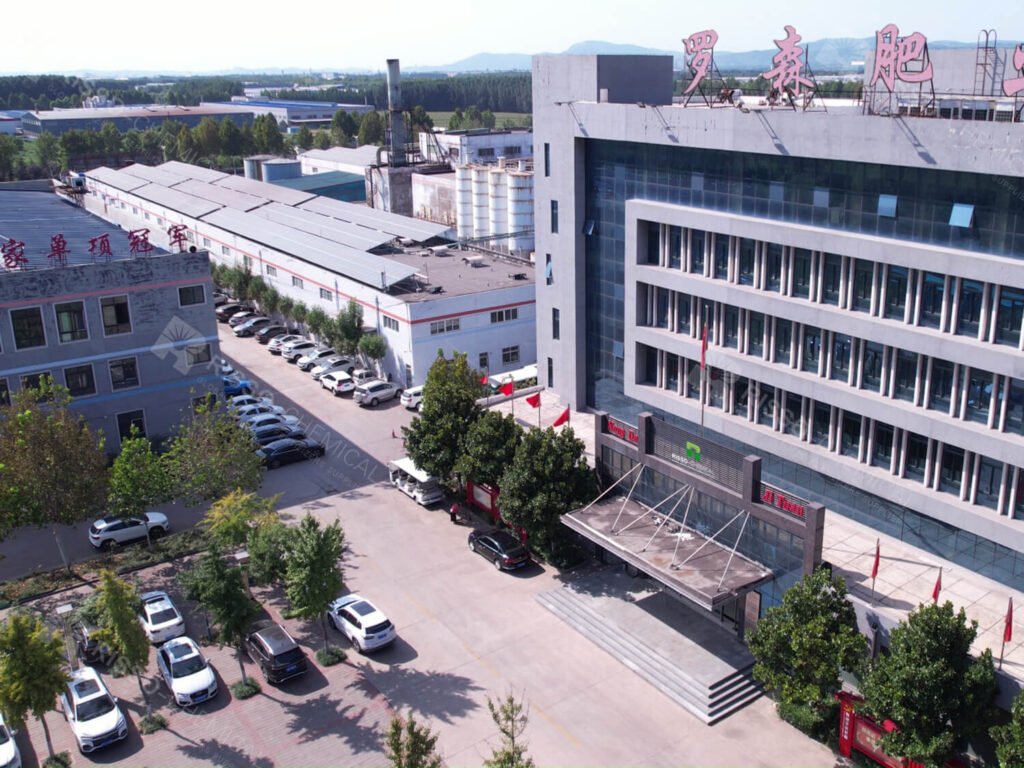
Aerial view of the Risso factory1
Fertilizer production capacity is the first thing to check when a buyer is comparing a liquid nitrogen program against granular nitrogen-sulfur and NPK programs.

Why the Purchasing Terms Decide This Comparison

A tonne of UAN 32, a tonne of ASN 26-0-0+13S and a tonne of NPK do not contain the same amount of nitrogen, and they are not delivered, sampled or stored in the same way. The arithmetic alone changes the commercial conversation. UAN 32 at 32% N carries 320 kg of nitrogen in every tonne of product. ASN 26-0-0+13S carries 260 kg of nitrogen and 130 kg of sulfur in every tonne. An NPK grade carries nitrogen, phosphorus and potassium according to the formula written into the contract, so its nitrogen value per tonne can only be read off that formula.

The cost structure differs too. Liquid nitrogen handling requires tanks, pumps and corrosion-resistant equipment, and UAN infrastructure costs are estimated at roughly double those of dry storage, largely because of stainless-steel requirements (Mordor Intelligence, North America). That capital cost is real, but it is a fixed cost spread over years of application, not a per-tonne price. Granular products avoid that capital cost but introduce their own cost drivers: moisture protection in storage, caking control, and spreading equipment.

Sampling is the third difference. A liquid shipment is verified through concentration, density and contamination checks on a homogeneous solution. A granular shipment is verified through moisture, granule integrity and nutrient analysis, where the sample has to represent a bag, a big bag or a heap. If the contract does not say who samples, when, and how the retained sample is kept, the acceptance criteria exist only on paper.

What Is Changing in Nitrogen Purchasing

Liquid fertilizer is a large category whose size depends heavily on definition. SNS Insider values the global liquid fertilizer market at USD 15.49 billion in 2025, with nitrogen the largest revenue contributor. That figure should be read with care, because published estimates for the same year differ sharply: Fortune Business Insights reports USD 3.01 billion for 2025, while Global Market Insights reports USD 18.6 billion. The gap reflects different definitions of what counts as a liquid fertilizer, not a disagreement about agronomy. For a buyer, the useful message is not the headline number but the direction: liquid application systems are widely established, and nitrogen dominates that spend.

Policy pressure is also pushing nitrogen decisions toward measurement. EU nitrogen targets recommend a 20% cut in chemical fertilizer use to meet Green Deal nutrient loss goals by 2030 (Re Soil Foundation / Nature Food). Outside Europe the rules differ, but the underlying expectation is similar: nutrient applications should be split, timed and traceable. That expectation changes what a buyer needs from a supplier, from a bag price to a documented specification.

The practical result is that the purchase order has to carry agronomy. Nitrogen rate per hectare, application method and product form interact, and a contract that fixes only tonnes and price leaves the agronomic performance undefined. This is why the comparison below is organized around terms and acceptance criteria rather than around a product ranking.

The Comparison Matrix

The table below places the three product classes side by side on the points that actually appear in a purchase contract. It is deliberately conservative where the source data is silent.
Comparison point UAN 32 (liquid) ASN 26-0-0+13S (granular) Granular NPK
Nutrient guarantee Up to 32% total nitrogen 26% nitrogen and 13% sulfur Multi-nutrient grade fixed by contract
Nitrogen forms Urea, ammonium and nitrate nitrogen Nitrate and ammonium nitrogen Depends on the formulation
Physical form Uniform liquid solution Granule Granule
Primary application fit Fertigation, band application, side-dressing, precision metering Base dressing, top dressing, mechanized spreading Base fertilization, mechanized spreading
Sulfur content No sulfur guarantee stated in the referenced UAN 32 product data 13% sulfur in the same granule Depends on the grade
Storage and handling Fertilizer tanks, IBCs, drums and tankers; temperature management in cold weather Dry, cool, ventilated store; protected from moisture and direct sunlight; sealed packaging against caking; kept separate from alkaline chemicals Dry storage; moisture protection
Main acceptance checkpoint Concentration, density, contamination and solution stability Moisture limit ≤1.0%, granule integrity, free-flowing behavior Grade conformity and granule quality
Two entries are intentionally cautious. The UAN 32 column records no sulfur guarantee, because the referenced product data states a 32% nitrogen liquid rather than a sulfur grade; any sulfur claim on a liquid program should be checked against the actual specification sheet. The NPK column describes a product class rather than a grade, because NPK grades are defined by the contracted formula and cannot be compared as a single specification.

Application Fit: Which Form Fits Which System

Fertigation and precision liquid application

UAN 32 is built for systems that meter liquid. Because all three nitrogen forms are carried in one uniform solution, the product can be injected through fertigation equipment, applied in bands, or used as a side-dressing where the crop is already irrigated. The agronomic argument is uniformity of distribution and accuracy of metering rather than a guaranteed efficiency gain. Risso states that UAN 32 may improve nitrogen use efficiency by up to 8% compared with conventional nitrogen fertilizers, depending on crop, soil and application method; that range is conditional and should not be treated as a fixed result.

The constraint is equipment. Liquid products require tanks and corrosion-resistant handling equipment for storage and transport, and at low temperatures fertilizer salts can crystallize, so temperature management and proper storage procedures matter. The exact crystallization or salt-out temperature should follow the product specification. A buyer without a liquid handling system should cost that infrastructure before comparing liquid and granular prices.

Band application and side-dressing

Band application places the nitrogen where the root zone can reach it, and liquid systems hold an advantage where the same equipment can be used for multiple passes. UAN 32 supports soil application, side-dressing and split application, which suits programs that split nitrogen across the season rather than applying it in one base dose.

Base and top dressing with mechanized spreading

Granular products are the practical choice where the spreader is the primary application tool. ASN 26-0-0+13S is designed for base fertilization and top dressing, with emphasis on uniform granulation, balanced nitrogen and sulfur supply, and efficient nutrient availability for field crops. Because the nitrogen is supplied in nitrate and ammonium forms, the product delivers both immediately available and moderately available nitrogen in one granule, and the sulfur is applied in the same pass rather than as a separate operation.

Sulfur as a purchasing question

Sulfur is where ASN separates from both UAN 32 and a plain nitrogen grade. Crops and soils with a sulfur requirement need that nutrient scheduled into the program, and a product that supplies 13% S in the same granule removes a separate application step. Where sulfur is not part of the crop requirement, the sulfur fraction is being paid for without an agronomic return, and a nitrogen-only product may be the more efficient purchase. Risso states that ASN may improve nutrient use efficiency by up to 6% compared with single-nutrient nitrogen fertilizers, depending on crop and application conditions.

Storage and handling constraints

ASN should be stored in a dry, cool and ventilated warehouse, kept away from moisture and direct sunlight, with packaging sealed well to prevent caking, and kept separate from alkaline chemicals. Compared with ammonium sulfate, continuous application of ASN carries a lower soil acidification risk, although rational rotation and matching with other fertilizers are still advised for long-term planting. These are storage and rotation rules, not marketing claims, and they belong in the buyer’s handling procedure.

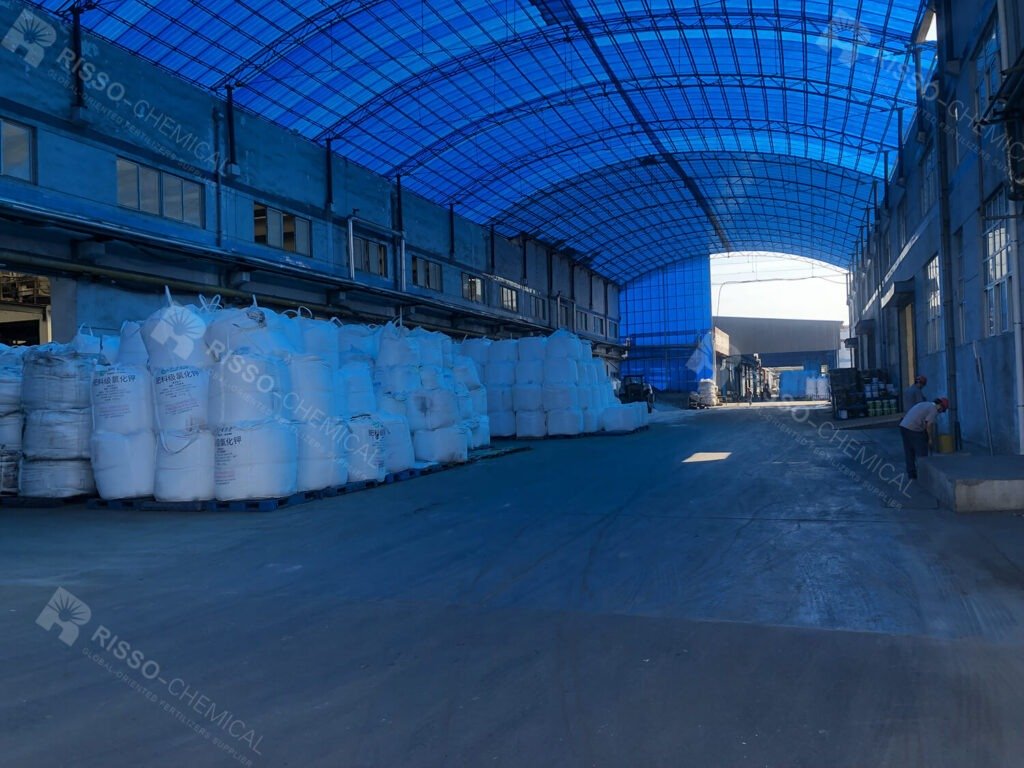
Risso factory floor
Granular lines define the acceptance points a buyer should negotiate: moisture, granule integrity and grade conformity.

Acceptance Criteria That Protect the Buyer

Acceptance criteria are the part of the contract that decides what happens when a shipment does not match the offer. They should be written for the product form, not copied from a template.

Nutrient guarantee and nitrogen form

For UAN 32, the guarantee is total nitrogen at up to 32%, with the nitrogen distributed across urea, ammonium and nitrate forms. For ASN 26-0-0+13S, the guarantee is 26% nitrogen and 13% sulfur in one granule, with nitrogen supplied in nitrate and ammonium forms. For NPK, the guarantee is the grade written into the contract, with each nutrient stated separately. A contract that states only total nitrogen leaves the nitrogen form and the sulfur content undefined, which is exactly where disputes arise.

Moisture: the ASN ≤1.0% limit

The stated moisture limit for ASN 26-0-0+13S is ≤1.0%. That single number controls several downstream behaviors. Moisture above the limit raises the risk of caking in storage, reduces free-flowing behavior in the spreader, and makes granule integrity harder to preserve through handling. A caked or degraded granule does not spread evenly, so the application rate that was planned in the office is not the application rate achieved in the field. Moisture should therefore be a contractual acceptance point with a stated test method, not a general quality statement.

Granule integrity and caking

For both ASN and NPK, acceptance should cover visible condition on arrival: free-flowing granules, no hard caking, no excessive fines, and packaging intact and sealed. Photographs taken at unloading are useful evidence, but they only support a claim if the contract defines the inspection window and the condition that constitutes a defect.

Solution stability and contamination for UAN 32

For UAN 32, acceptance focuses on concentration, density and contamination. The product must arrive as a uniform solution without foreign material, and storage conditions across the delivery chain must not have allowed crystallization. Buyers taking liquid in IBCs, drums or tankers should confirm that the container type and the receiving tank are compatible with the product, and that cold-weather handling procedures are agreed in advance.

Sampling, retained samples and claim windows

Sampling discipline is what makes the rest of the acceptance package enforceable. The contract should state who takes the sample, at what point in the discharge, how the sample is divided, how long the retained sample is kept, which laboratory method is used, and how many days the buyer has to raise a claim. Without a retained sample, a nutrient or moisture dispute becomes a conversation about memory rather than about evidence.

Step-by-Step: Building a Terms and Acceptance Package

Step 1 — Define the nitrogen rate, then the productStart from the target nitrogen rate per hectare and the crop requirement, not from a product. Convert that rate into product volume or weight using the nutrient concentration: 32% N for UAN 32, 26% N for ASN, and the contracted grade for NPK. This is the only way to compare offers on a like-for-like basis.

Step 2 — Match the form to the equipmentIf the farm has fertigation or liquid banding equipment, UAN 32 is the natural fit. If the operation depends on spreaders and base or top dressing, granular ASN or NPK fits. A buyer who has no liquid infrastructure should treat tank and handling investment as part of the liquid decision, not as an afterthought.

Step 3 — Write the specification the way the product is soldLiquid: total nitrogen, nitrogen forms, density, appearance, contamination limits. Granular ASN: 26% N, 13% S, moisture ≤1.0%, granule condition. NPK: each nutrient in the grade, moisture, granule condition. One specification per product line, not one template for all three.

Step 4 — Agree sampling and inspectionFix the sampling point, the retained sample, the laboratory method and the claim window. For granular products, add a visual condition check at unloading. For liquid products, add a receiving test before transfer into the main tank.

Step 5 — Set the commercial terms in the same documentQuantity basis, packaging, delivery basis, documentation and price basis should sit beside the technical specification so that a change in one cannot silently change the other. The terms matrix below lists the points worth fixing.

Step 6 — Validate before scalingRun a demonstration trial or a first shipment against the agreed criteria, review the results against the specification, and only then move to a seasonal volume. This converts the acceptance package from a document into a tested process.

Commercial Terms Matrix

Term What to fix in writing Why it matters by product
Specification basis Nutrient guarantee, nitrogen forms, sulfur content, moisture, granule condition UAN 32 and ASN are single-purpose nitrogen products; NPK is grade-defined, so the grade must be written per order
Quantity basis Metric tonnes of product and, separately, kilograms of nitrogen delivered One tonne of UAN 32 carries 320 kg N; one tonne of ASN carries 260 kg N; NPK depends on grade
Moisture limit ASN ≤1.0%, with the test method stated Controls caking, free flow and spreading uniformity
Sampling and retained sample Who samples, when, how divided, how long retained Liquid verifies by concentration and density; granular verifies by moisture and granule condition
Packaging Container type agreed per order; IBCs, drums or tankers for liquid; bag or bulk configuration for granular Liquid packaging affects handling and contamination risk; granular packaging affects moisture protection
Delivery and inspection window Delivery basis, inspection period, claim deadline Moisture and caking claims weaken if raised after long storage
Documentation Specification sheet, safety and handling information, transport documentation Transport, storage and use require compliance with chemical and hazardous-materials regulations; specific hazards and packaging requirements follow the product technical datasheets
Price basis Price per tonne of product and price per kilogram of nitrogen Makes liquid and granular offers comparable; cost differences vary by market, order volume and application requirements
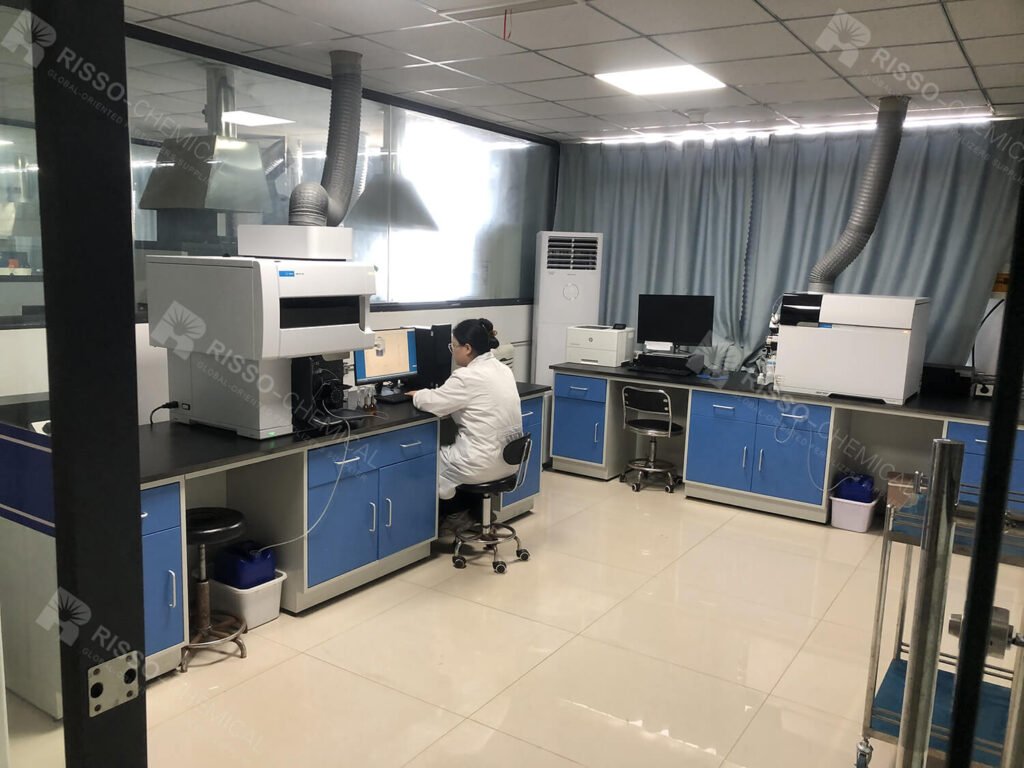
Risso Fertilizer Laboratory
Acceptance criteria only work if sampling, storage and inspection are controlled at the point of dispatch and receipt.

Use Cases: Three Buying Situations

Granule integrity and caking

A grower with drip or pivot irrigation and a fertigation unit is buying a liquid program. UAN 32 is the relevant comparison object because it can be metered into the irrigation stream, split across the season and adjusted between growth stages. The acceptance package focuses on nitrogen concentration, solution uniformity and receiving-tank checks, and the buyer should confirm that the storage and handling system is compatible with the product before the first delivery.

Cereals and oilseeds with a sulfur requirement

Where the crop plan calls for both nitrogen and sulfur, ASN 26-0-0+13S removes a separate application step: 26% N and 13% S in one granule, applied at base dressing or top dressing through a spreader. The acceptance package focuses on moisture at or below 1.0%, granule integrity and sulfur content, because a shipment that cakes in the store will not spread evenly at the rate the agronomist planned.

Mechanized base application with phosphorus and potassium

Where the soil test calls for phosphorus and potassium alongside nitrogen, granular NPK is the practical product because all three nutrients are applied in one spreading pass. The acceptance package is grade-driven: each nutrient must be stated and verified against the contracted formula, with granule condition and moisture also specified. Because NPK grades vary, an NPK offer cannot be compared with a nitrogen offer on total product weight alone.

Where Risso Sits in This Comparison

Taian Risso Chemical Co., Ltd. is a fertilizer manufacturer founded in 2007, operating a 500,000 m² site with 16 modern NPK fertilizer production lines, an annual production capacity of 2 million tons, more than 350 employees and a 50-engineer R&D team. The company exports around 50% of its output and serves customers in more than 60 countries and regions, including Australia, New Zealand, Mexico, Canada, Southeast Asia, Asia and South America.

For this comparison, the relevant point is portfolio coverage. Risso offers a comprehensive fertilizer portfolio that includes UAN 32, ASN, nitrogen, NPK and specialty fertilizers, which means a buyer comparing a liquid program against a granular nitrogen-sulfur program and a compound NPK program can source all three lines from one supplier and negotiate one acceptance framework. The stated differentiators are consistent UAN 32 and ASN quality, advanced production, strict quality control, flexible supply options and an integrated fertilizer portfolio. Those are supplier attributes to verify during a trial order, not substitutes for specification testing.

Product pages for the liquid range are available at Risso liquid fertilizer products, and company background is published at About Risso Fertilizer.

Frequently Asked Questions

Transport, storage and use must comply with chemical and hazardous-materials regulations, and the specific hazards and packaging requirements should follow the product technical datasheets rather than a general assumption. In practice this means confirming the container type for liquid deliveries in IBCs, drums or tankers, and confirming dry, cool, ventilated storage for ASN with protection from moisture and direct sunlight, sealed packaging against caking, and separation from alkaline chemicals.

A supplier with both liquid and granular production can, and portfolio coverage is a legitimate screening criterion. Risso operates 16 modern NPK fertilizer production lines with an annual capacity of 2 million tons, and its portfolio includes UAN 32, ASN, nitrogen, NPK and specialty fertilizers. Buyers should still confirm that the specific grades and packaging formats they need are produced on the lines that will serve their order.

Because the products do not carry the same nutrient load per tonne. UAN 32 at 32% N delivers 320 kg of nitrogen per tonne of product, ASN 26-0-0+13S delivers 260 kg of nitrogen plus 130 kg of sulfur, and an NPK grade delivers nutrients according to its formula. Cost differences also vary by market, order volume and application requirements, and liquid programs carry additional storage and handling investment, with UAN infrastructure estimated at roughly double dry storage costs (Mordor Intelligence, North America). The comparison should be run per kilogram of nitrogen, with sulfur and phosphorus and potassium valued separately.

Through a demonstration trial or a first shipment tested against the written specification: nitrogen and sulfur content for ASN, moisture at or below 1.0% for ASN, concentration and contamination for UAN 32, grade conformity for NPK, plus a visual condition check and a retained sample at both dispatch and receipt. Trial volumes are the point at which the specification, the sampling method and the claim window are proven to work together.

Delivery terms should be fixed per product line, because liquid and granular shipments have different packaging, handling and storage requirements and should not share a single delivery clause. Supply flexibility and scheduling are best confirmed directly against the destination market, order volume and application calendar, since these variables change the answer. Buyers can discuss terms with the Risso team at info@risso-chemical.com, by phone on +86 0538 5076188, or through WhatsApp on +86 19506380519.

Conclusion

The comparison between UAN 32, ASN 26-0-0+13S and granular NPK resolves into three decisions rather than one. The first is application fit: liquid for fertigation, band application and side-dressing; granular for base and top dressing and mechanized spreading; NPK where phosphorus and potassium belong in the same pass. The second is sulfur: 13% S in the ASN granule is an asset where the crop needs it and a cost where it does not. The third is the acceptance framework: nutrient guarantee, moisture limit at or below 1.0% for ASN, sampling method, retained sample and claim window.

Price is the last variable, not the first, because the three products are not sold in comparable units. Once the nitrogen rate is converted into product volume, once the storage and handling implications of a liquid program are costed, and once the acceptance criteria are written into the contract, the cheapest offer is no longer ambiguous.
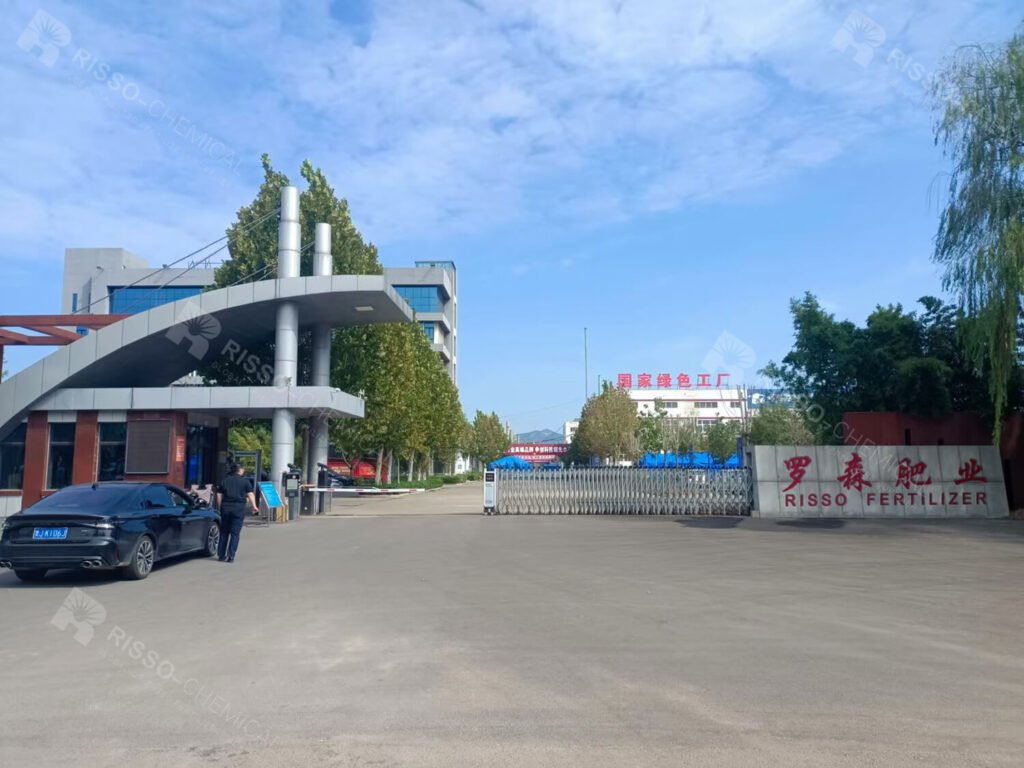
Risso factory entrance
Risso supplies UAN 32, ASN 26-0-0+13S, NPK and specialty fertilizers from a single production base.

Next Step: Review Terms Against Your Own Application System

If you are comparing a liquid nitrogen program with a granular nitrogen-sulfur or NPK program, the fastest way to close the comparison is to send your target nitrogen rate, application method and destination market to the Risso team. You will receive the relevant specification details so the acceptance criteria can be written against the product you will actually receive.

Email: info@risso-chemical.com  |  Tel: +86 0538 5076188  |  WhatsApp: +86 19506380519

Download the full product catalog: Risso Catalog (PDF)

Market and infrastructure references: SNS Insider liquid fertilizer market report (2025); Mordor Intelligence, North America liquid fertilizers market; Re Soil Foundation / Nature Food on EU nitrogen targets. Fertilizer specification statements follow the referenced Risso product data.