












Fertilizer Raw Materials
Nitrogen, Phosphate & Potassium Materials
Raw Materials for NPK & Fertilizer Production
Fertilizer raw materials provide the key nutrients used in NPK, water-soluble, liquid, and specialty fertilizer production. Risso supplies nitrogen, phosphate, potassium, and compound raw materials for different formulations and manufacturing processes.
- Risso provides fertilizer raw material samples and testing support based on your specifications and application needs.
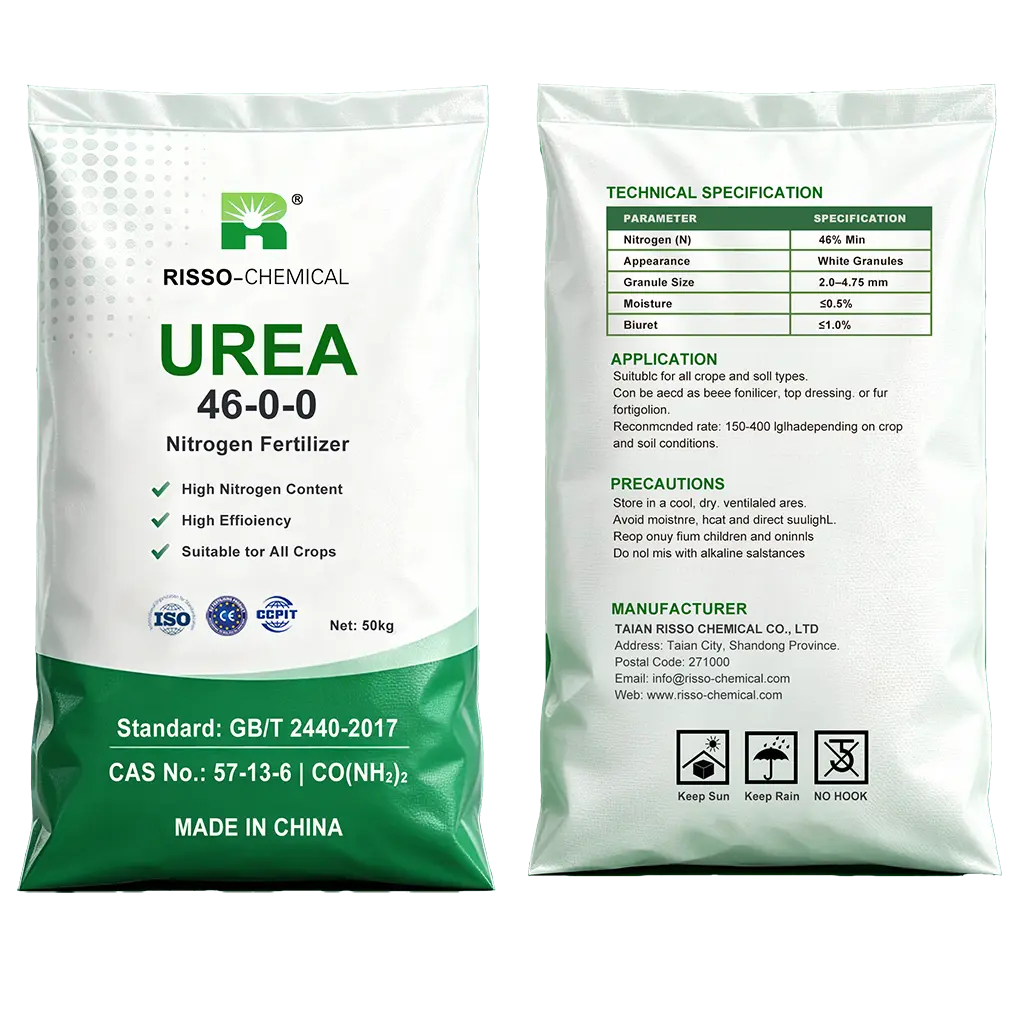
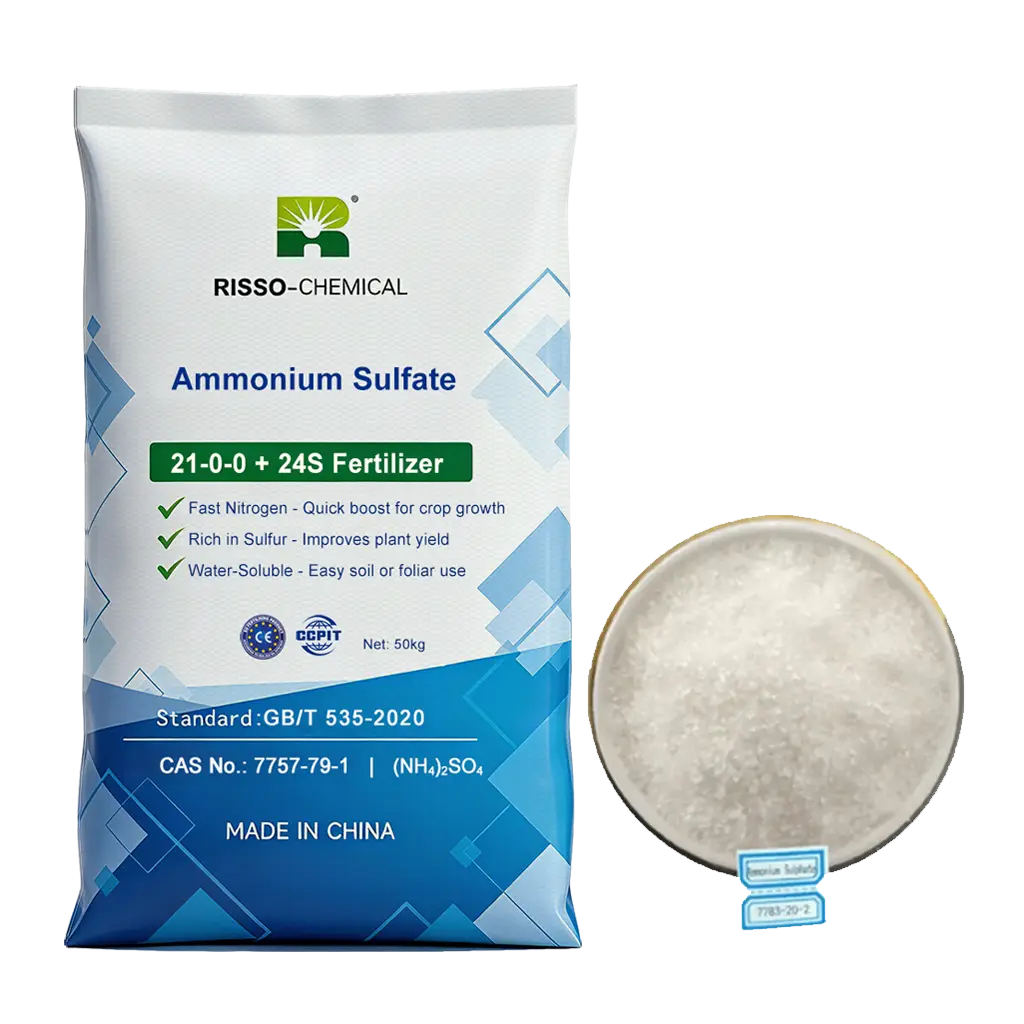
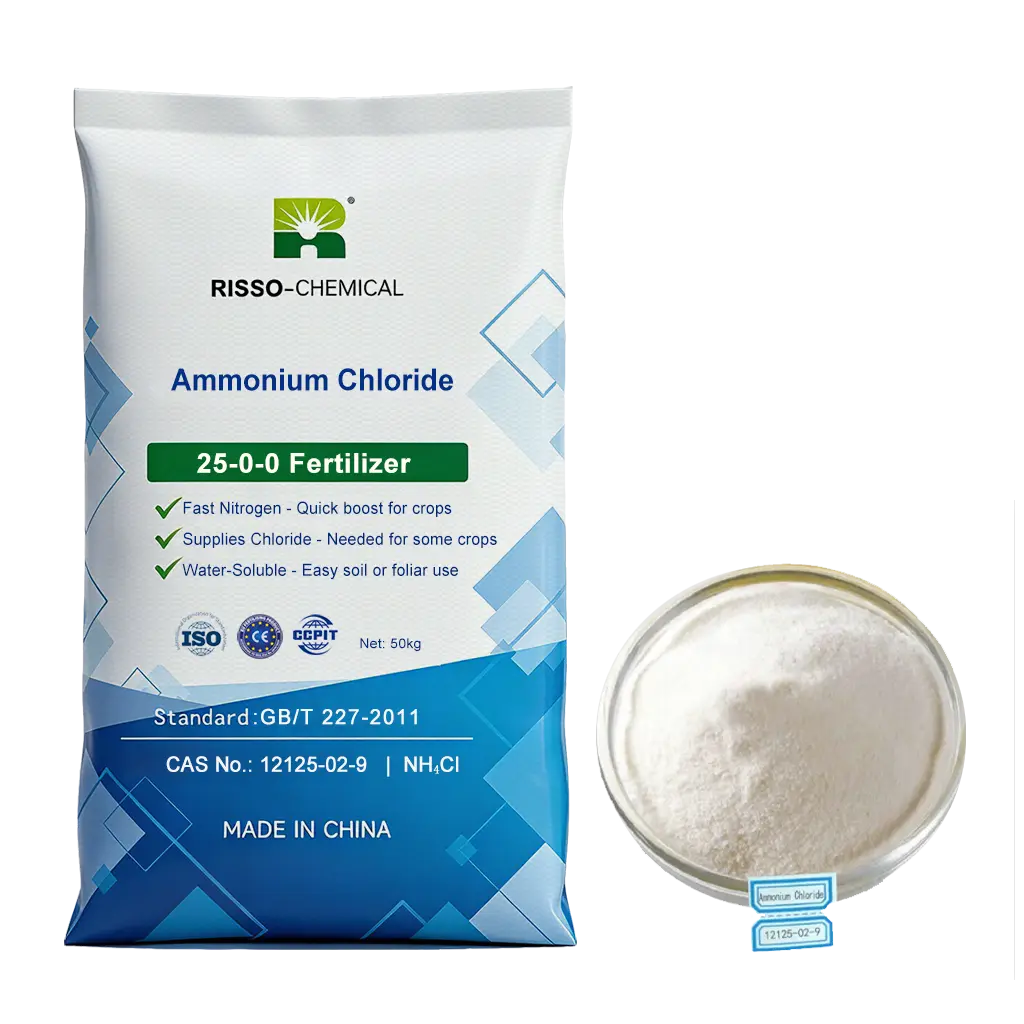
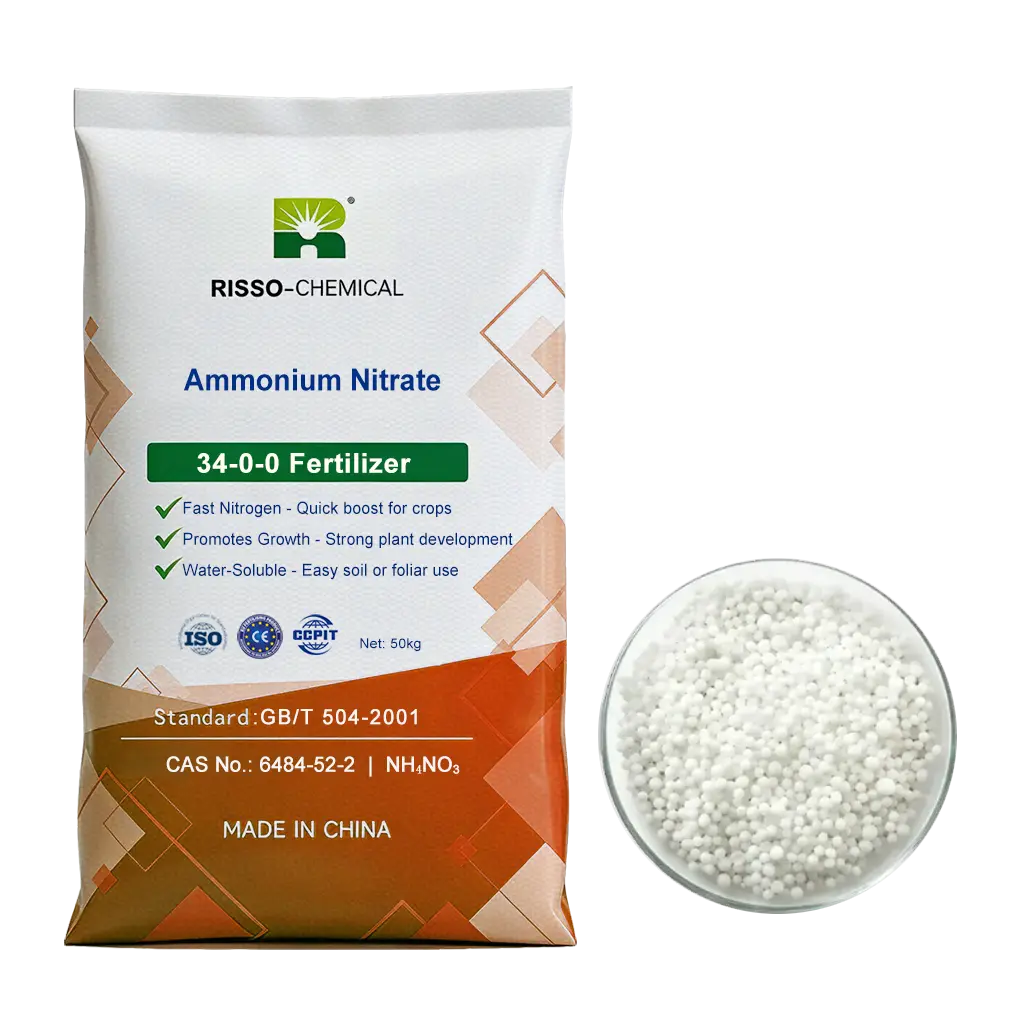
| Nitrogen Raw Materials
- More
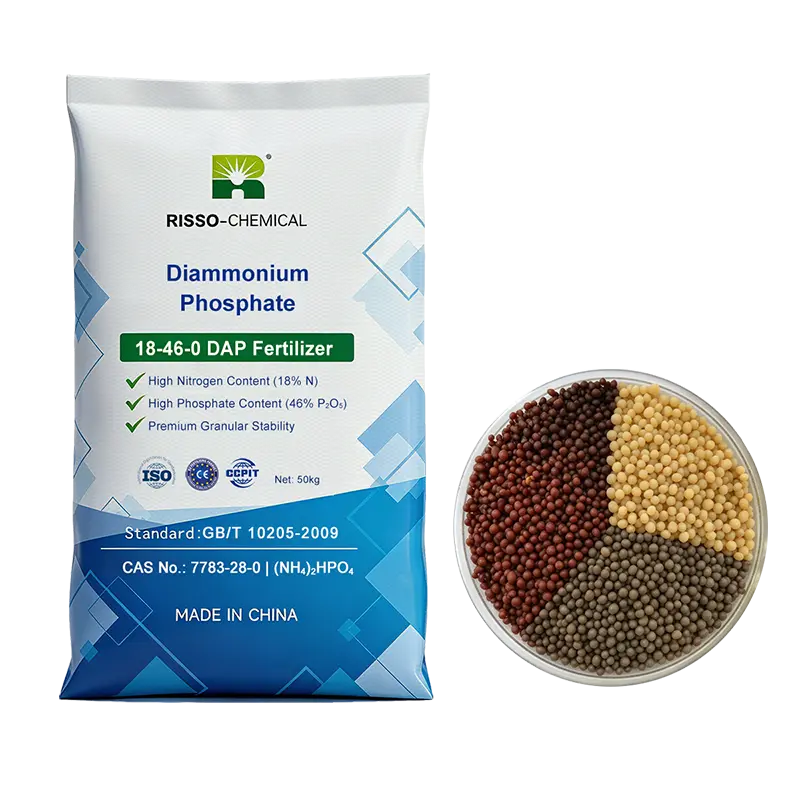
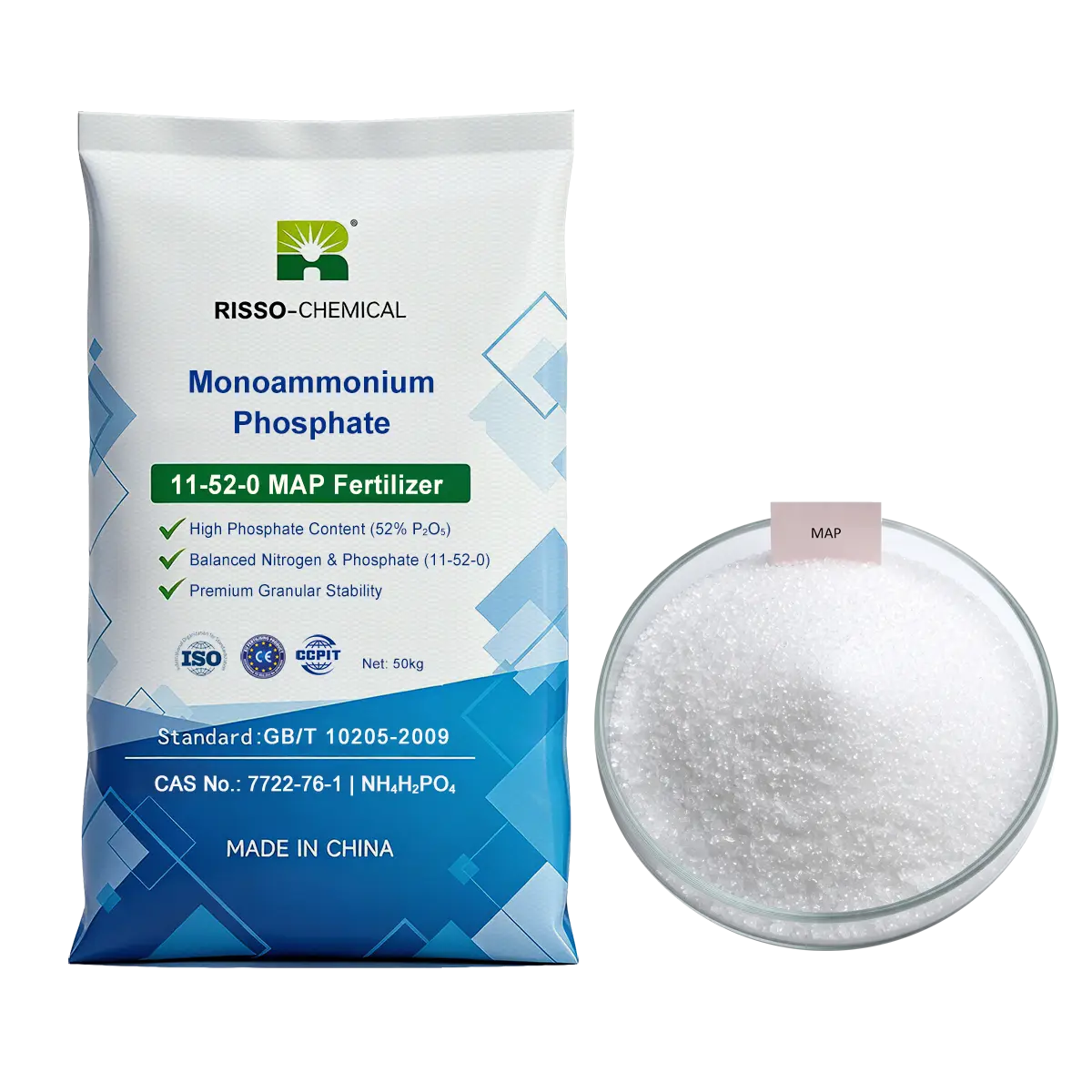
| Phosphate Raw Materials
- More
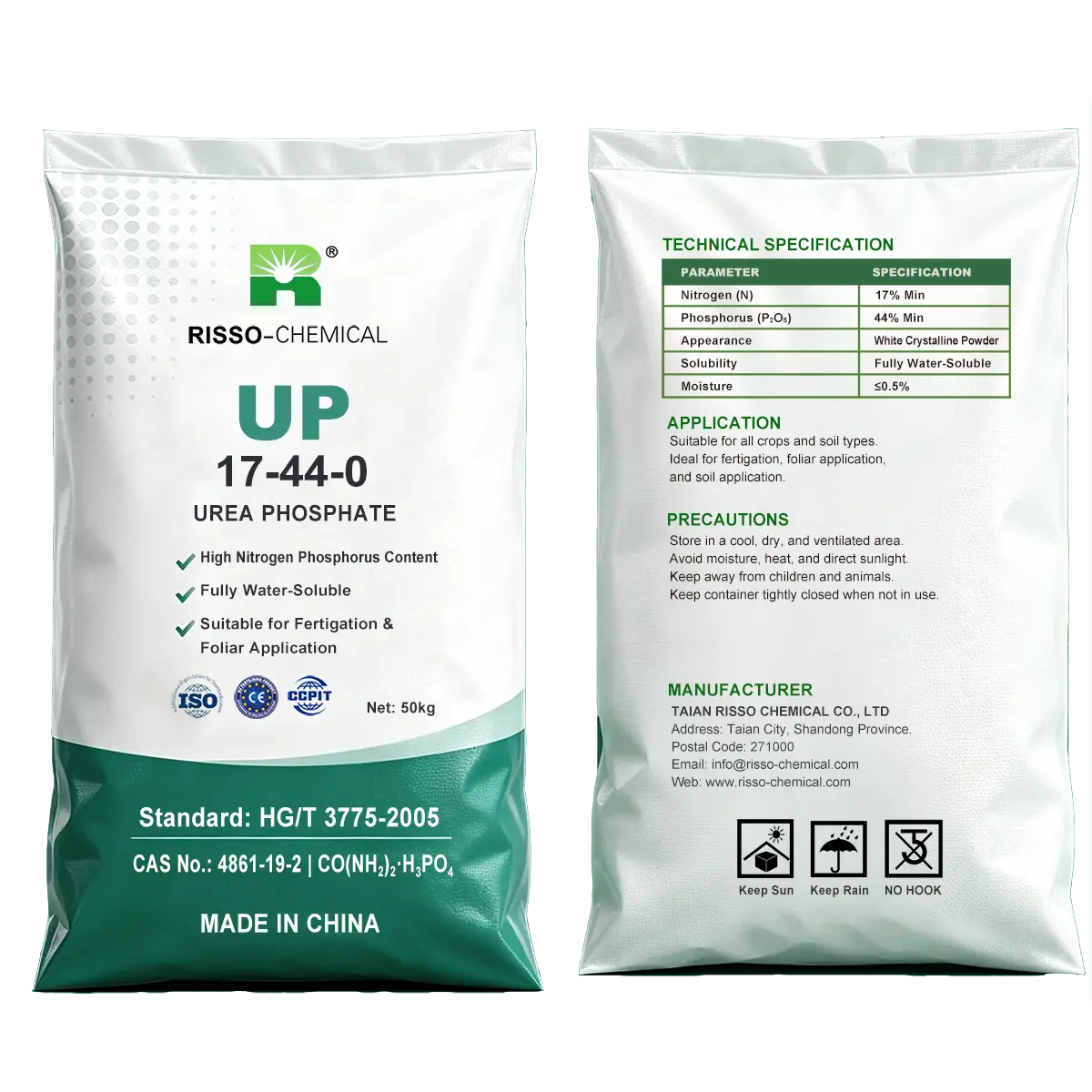
| Compound Raw Materials
- More
Welcome to Our Fertilizer Materials Range
Fertilizer raw materials determine much of the nutrient composition and physical performance of a finished fertilizer. The selection should therefore consider more than nutrient percentage alone.
Important parameters include:- Nutrient content
- Nutrient form
- Water solubility
- Chloride content
- Moisture
- Particle size
- Bulk density
- Compatibility with other materials
- Granulation performance
- Storage stability
For example, Risso’s NPK formulations can use different nitrogen, phosphate, and potassium sources depending on the target grade. Existing NPK formulations include combinations based on urea, monoammonium phosphate, diammonium phosphate, potassium sulfate, and potassium chloride.
The correct raw material combination helps manufacturers achieve the required N-P-K ratio, physical properties, solubility, and application characteristics.
Fertilizer Materials Key Features
- Defined Nutrient Content: Raw materials selected according to required N, P₂O₅, K₂O, S, Ca, Mg, and micronutrient levels.
- Multiple Nutrient Sources: Nitrogen, phosphate, potassium, and compound raw materials for different formulations.
- Water-Soluble Options: Suitable materials for water-soluble fertilizers, fertigation, and foliar formulations.
- Granular Applications: Raw materials suitable for compound and bulk-blended fertilizer production.
- Flexible Formulation: Different nutrient sources can be combined to achieve specific NPK ratios.
- Quality Control: Material specifications can include purity, moisture, particle size, solubility, and other technical parameters.
Benefits of Using Suitable Fertilizer Raw Materials
Accurate Nutrient Formulation
Selecting appropriate raw materials allows manufacturers to achieve the target nutrient analysis of the finished fertilizer.
Better Physical Performance
Particle size, moisture, density, and compatibility affect mixing, granulation, storage, and handling.
Flexible NPK Production
Different nitrogen, phosphate, and potassium sources can be combined to produce a wide range of NPK grades.
Improved Solubility
High-solubility materials are particularly important for fertigation and water-soluble fertilizer production.
Controlled Chloride Levels
Potassium sulfate, MKP, potassium nitrate, and other lower-chloride sources can be selected when chloride restrictions are relevant to a crop or formulation.
Consistent Production
Stable raw material specifications help manufacturers maintain consistent nutrient content and physical quality between production batches.
How to Select Fertilizer Raw Materials
1. Define the Target Fertilizer Grade
Start with the required N-P₂O₅-K₂O ratio and any secondary or micronutrient requirements.
2. Select the Nitrogen Source
Choose urea, ammonium sulfate, ammonium nitrate, ammonium chloride, or another nitrogen source according to the required nitrogen form and sulfur or chloride requirements.
3. Select the Phosphate Source
MAP, DAP, MKP, and other phosphate materials provide different combinations of nitrogen, phosphorus, potassium, solubility, and chemical characteristics.
4. Select the Potassium Source
Potassium chloride, potassium sulfate, potassium nitrate, and phosphate-potassium materials can be selected according to the target formulation and crop requirements.
5. Check Physical Compatibility
Particle size, moisture, bulk density, and material compatibility should be evaluated before large-scale blending or granulation.
6. Confirm Technical Specifications
Before production, manufacturers should verify COA, nutrient analysis, moisture, insoluble matter, particle size, and other relevant specifications.
Fertilizer Raw Materials by Application
| Application | Suitable Raw Materials |
|---|---|
| Granular NPK Production | Urea, DAP, MAP, KCl, SOP |
| Bulk Blending | Urea, ammonium sulfate, DAP, MAP, KCl, SOP |
| Water-Soluble Fertilizers | MKP, MAP, DAP, potassium nitrate, SOP |
| Fertigation | MKP, MAP, potassium nitrate, water-soluble nitrogen sources |
| Nitrogen-Sulfur Fertilizers | Ammonium sulfate, ASN |
| High-Phosphorus Formulations | MAP, DAP, MKP |
| High-Potassium Formulations | SOP, potassium nitrate, MKP, DKP |
| Specialty Fertilizers | MKP, potassium nitrate, ASN, CAN and selected compound materials |
Frequently Asked Questions
Fertilizer raw materials are chemical materials used to manufacture finished fertilizers. They provide nitrogen, phosphorus, potassium, sulfur, calcium, magnesium, or other nutrients.
The main groups are nitrogen raw materials, phosphate raw materials, potassium raw materials, and compound raw materials.
Common materials include urea, MAP, DAP, ammonium sulfate, ammonium chloride, potassium chloride, and potassium sulfate. The exact combination depends on the required NPK grade and production process. Risso's existing NPK products use combinations such as ammonium chloride, dipotassium phosphate, potassium chloride, urea, MAP, and potassium sulfate.
Common water-soluble materials include MKP, MAP, DAP, potassium nitrate, and selected potassium and nitrogen salts. Solubility and compatibility should be checked before preparing concentrated fertilizer solutions.
MAP and DAP are both nitrogen-phosphorus fertilizer materials, but they have different nutrient ratios and chemical properties. The appropriate material depends on the target formulation, pH requirements, and production process.
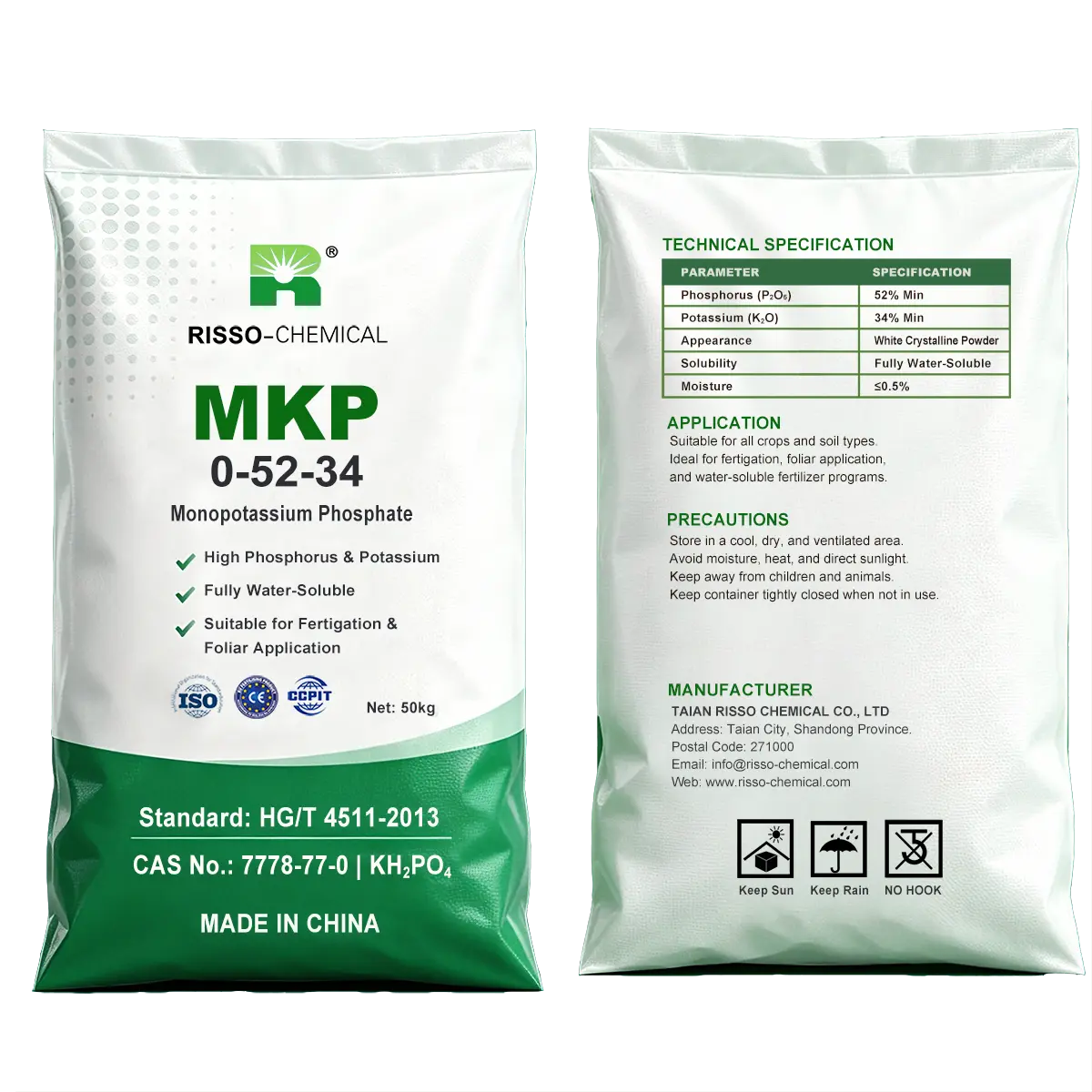
MKP, or monopotassium phosphate, is a highly water-soluble phosphorus-potassium material containing approximately 52% P₂O₅ and 34% K₂O. It is used in water-soluble fertilizers, fertigation, foliar fertilizers, and NPK production.
Yes. Different nitrogen, phosphate, and potassium sources can be combined to achieve a specified nutrient ratio. Physical properties and compatibility should also be considered during formulation.
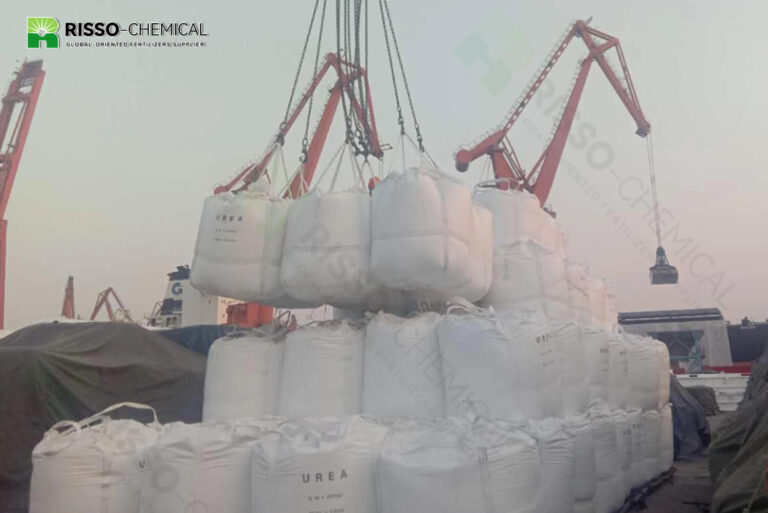
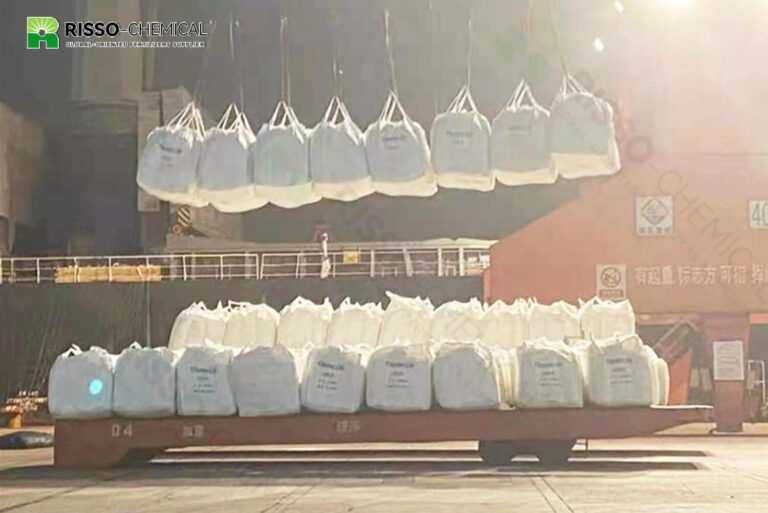
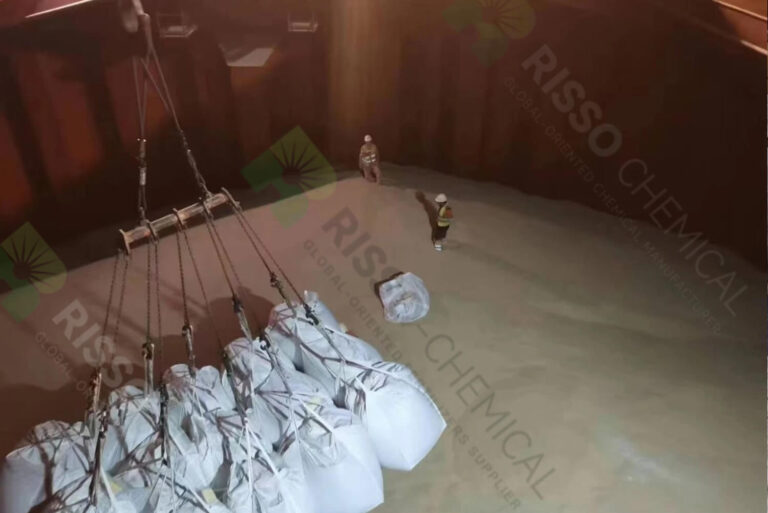
Bulk supply can be arranged according to the material, specification, packaging requirements, and destination market. Technical specifications and COA can be provided for product evaluation.
Get a Quote Today
Risso supplies fertilizer raw materials for NPK manufacturers, fertilizer blenders, agricultural input companies, and commercial fertilizer production.
Tell us your required raw material, nutrient specification, particle size, packaging, and quantity. Our team can provide product specifications, COA, samples, and bulk supply options according to the project requirements.
Contact us for fertilizer raw material specifications and bulk pricing.
📩 Contact us: sales@risso-chemical.com
Need a custom formula?
Send us your target N-P-K ratio, production method, required raw materials, and annual or shipment quantity for a technical quotation.
Why Choose Risso Fertilizer Materials?
- Four Material Categories: Nitrogen, phosphate, potassium, and compound raw materials.
- Multiple Nutrient Sources: Urea, MAP, DAP, MKP, potassium salts, ammonium salts, and other materials.
- Flexible Specifications: Suitable for different NPK ratios and production processes.
- Technical Support: Product specifications, COA, samples, and formulation assistance.
- Bulk Supply: Suitable for fertilizer manufacturers, blenders, distributors, and agricultural companies.
Explore Risso Fertilizer Materials for NPK production, water-soluble fertilizers, bulk blending, and specialty fertilizer formulations.