
2026-04-09




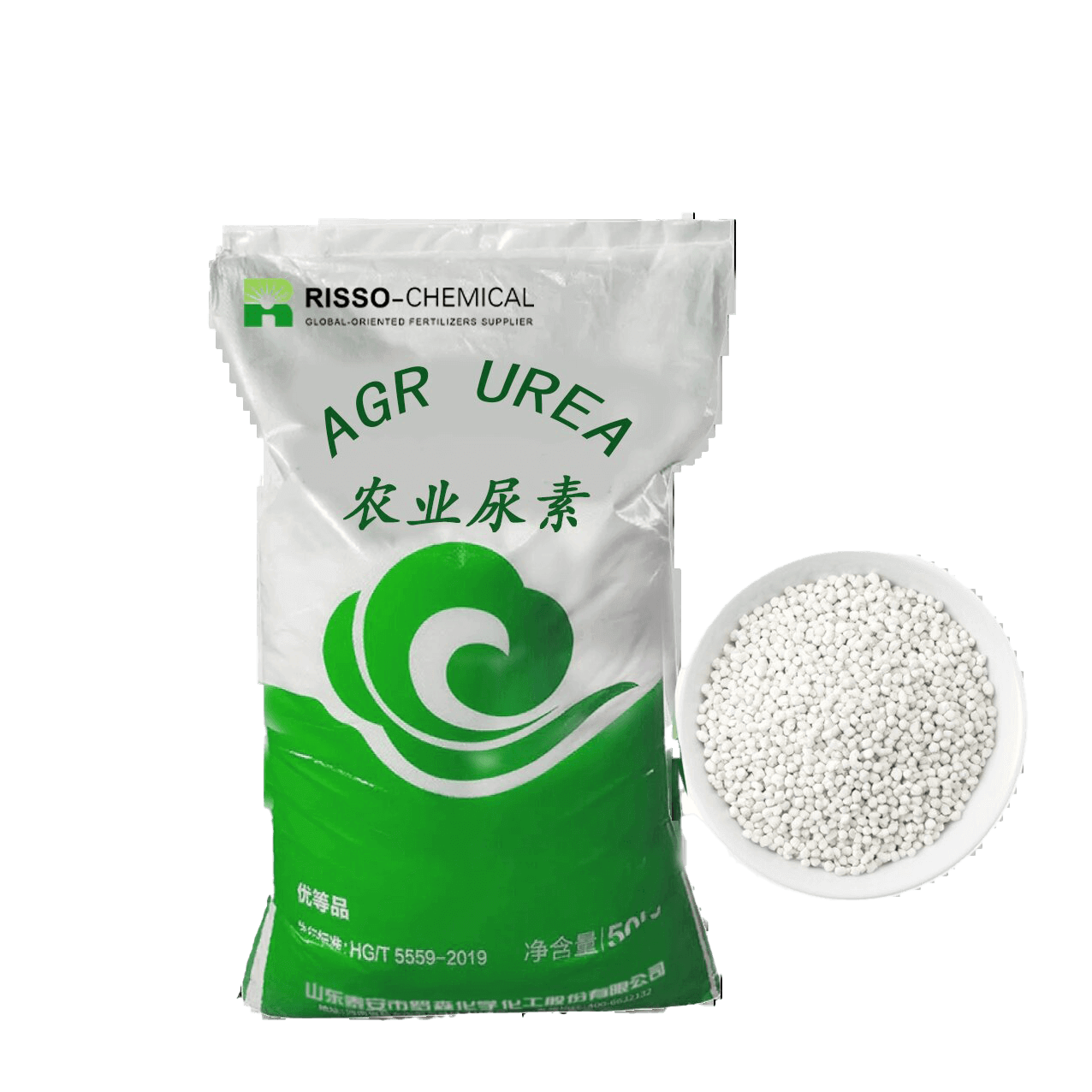
Urea (46-0-0) has long been the backbone of global nitrogen fertilization. However, recent disruptions in energy markets, logistics, and geopolitics have forced growers and distributors to reconsider their reliance on this single nitrogen source.
Today, the focus has shifted toward identifying cheaper and more efficient urea alternatives that can deliver consistent performance under volatile global conditions, especially as farmers increasingly search for solutions like best nitrogen fertilizer for high yield crops and cost-effective nitrogen fertilizer alternatives in unstable markets.
The global fertilizer market is undergoing a structural shift. The ongoing Russia–Ukraine War has significantly disrupted natural gas supply chains, directly impacting nitrogen fertilizer production.
At the same time, escalating geopolitical tensions in the Middle East have raised concerns about the potential closure of the Strait of Hormuz, a critical route for global energy transportation.
If disrupted, this chokepoint could:
In response, several countries have already implemented fertilizer export restrictions, making global sourcing more complex and unpredictable.

Under these conditions, relying solely on urea presents significant risks:
As a result, growers are actively exploring high-efficiency nitrogen fertilizers that offer better nutrient utilization and supply stability.
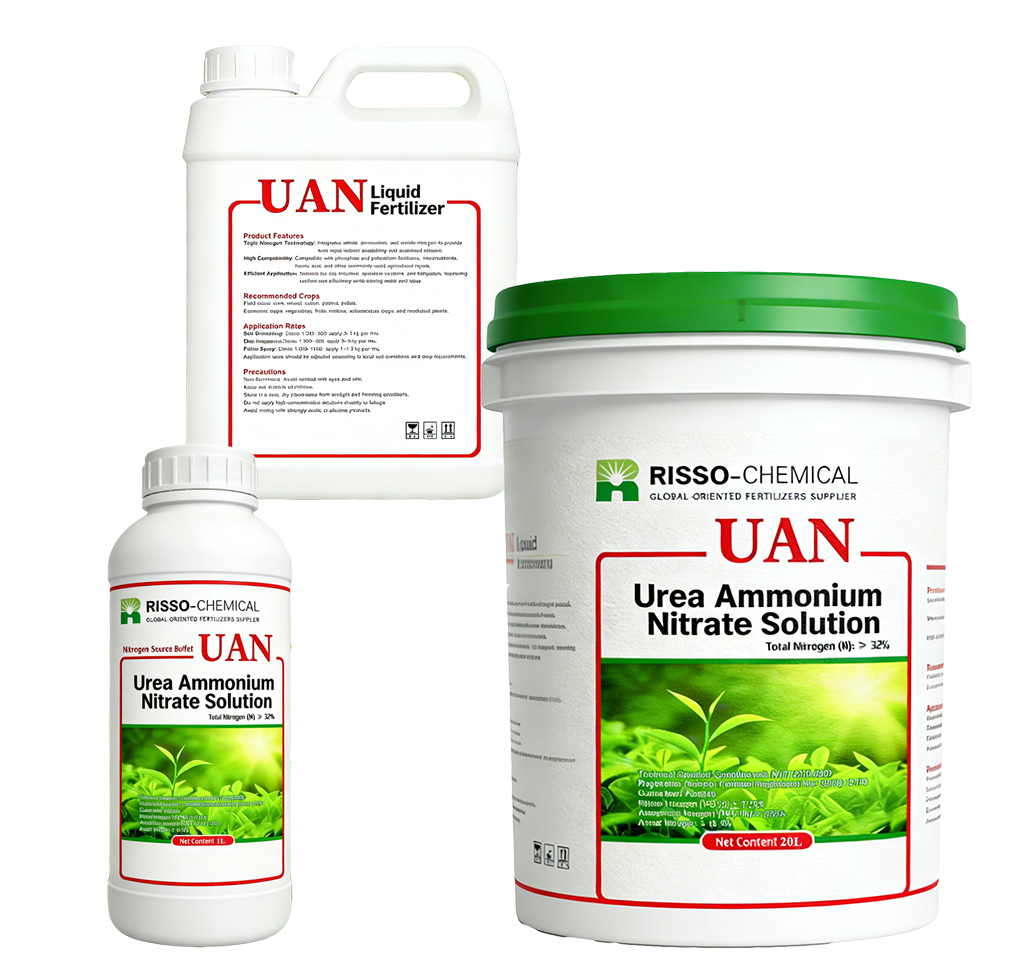
From an industry perspective, companies such as Risso Fertilizer are also expanding their product portfolios to include diversified nitrogen solutions, reflecting a broader market shift toward multi-source nutrient strategies.
Selecting the right alternative involves a balance of agronomic and economic considerations:
Modern farmers are increasingly prioritizing nitrogen use efficiency (NUE) over simple nutrient concentration.

Best for: Sulfur-deficient and alkaline soils
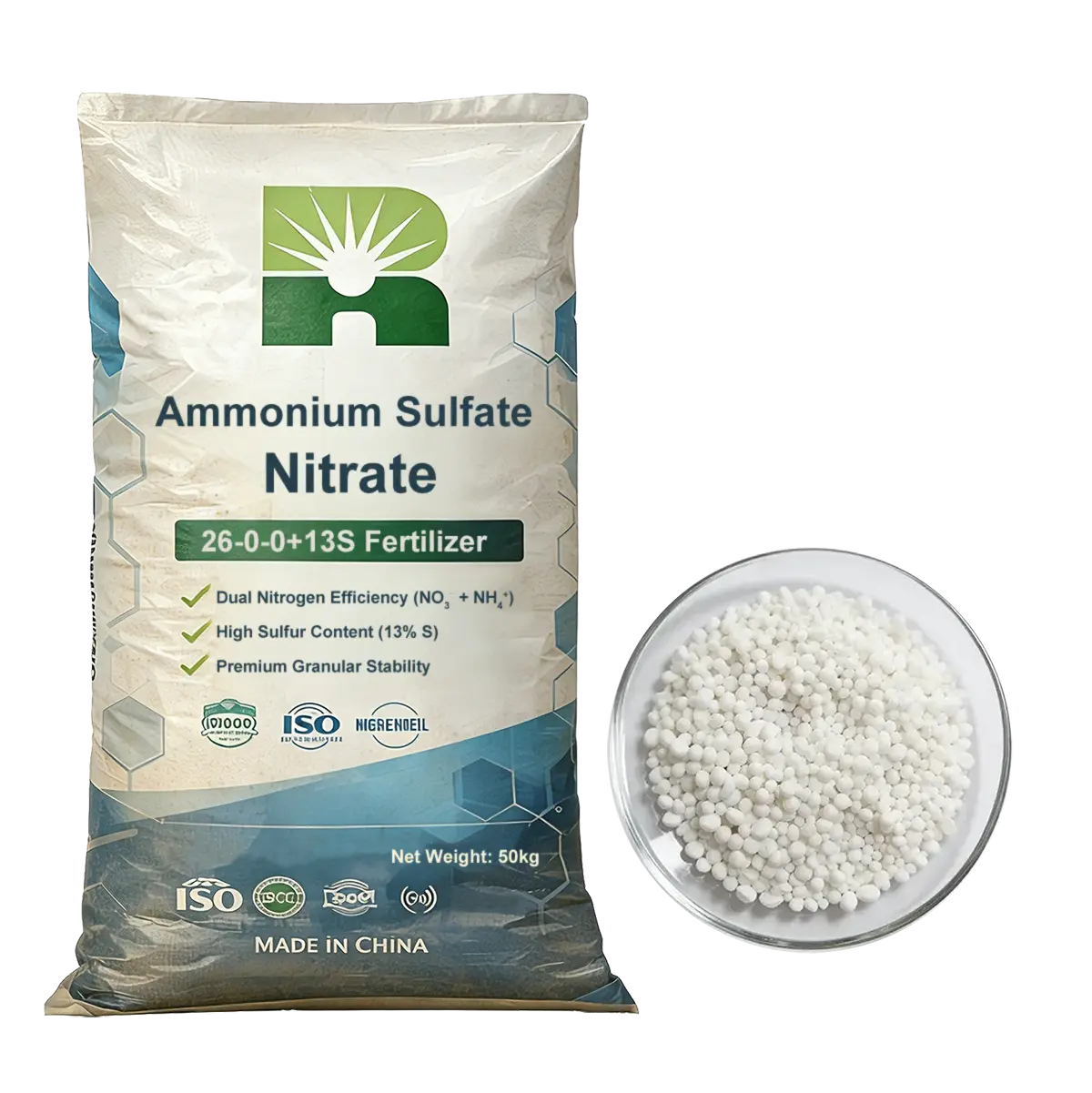
Best for: Balanced and efficient nitrogen delivery
Best for: Precision agriculture and large-scale operations
Its flexibility makes it one of the most scalable solutions in modern agriculture.
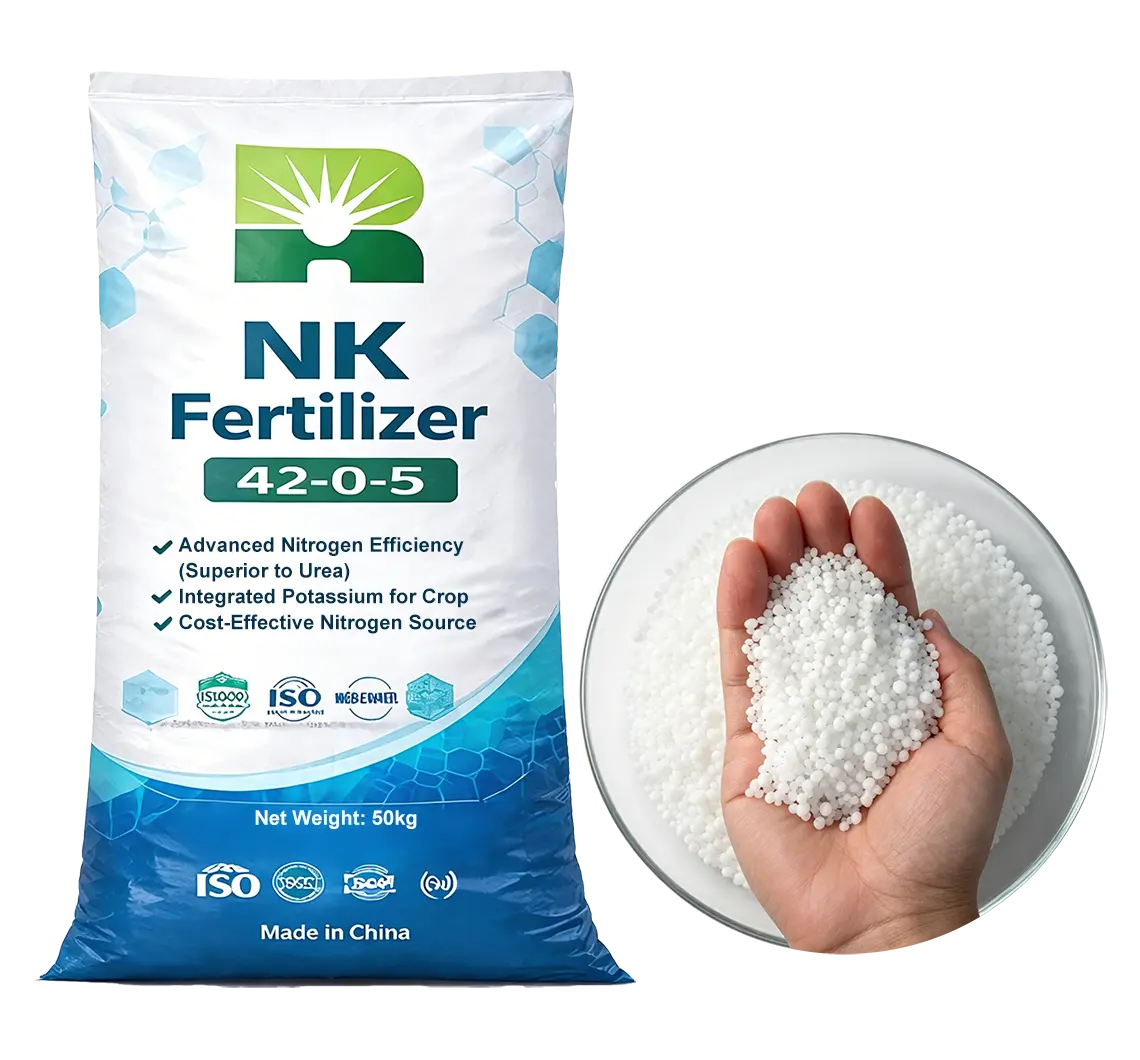
Best for: Intensive farming and yield maximization
Best for: Stable nitrogen supply in diverse climates
| Fertilizer | Nitrogen (%) | Efficiency | Loss Risk | Supply Risk |
|---|---|---|---|---|
| Urea | 46% | Medium | High | High |
| Ammonium Sulfate | 21% | Medium | Low | Low |
| ASN | 26–32% | High | Low | Low |
| UAN 32 | 32% | High | Medium | Medium |
| 42-0-5 | 42% | Very High | Very Low | Low |
In today’s environment, supply risk and price stability are becoming critical decision factors alongside agronomic performance.
Growers increasingly evaluate fertilizers based on cost per effective nitrogen uptake, rather than price per ton.
In practice, agronomic programs offered by providers like Risso Fertilizer often integrate multiple nitrogen sources to optimize both cost and performance under different field conditions.
To improve fertilizer performance:
These practices are essential for maximizing ROI in high-input farming systems.
The fertilizer industry is rapidly transitioning toward:
As global uncertainties persist, companies such as Risso Fertilizer are increasingly focused on developing adaptable, high-efficiency solutions that align with the evolving needs of modern agriculture.
The combination of geopolitical conflict, energy market instability, and potential supply chain disruptions—such as risks surrounding the Strait of Hormuz—has fundamentally reshaped the global fertilizer landscape.
As urea prices continue to fluctuate, relying on a single nitrogen source is no longer a sustainable strategy.
Alternatives such as:
offer a more resilient, efficient, and future-ready approach to crop nutrition.
For growers and distributors alike, adopting diversified nitrogen solutions is now essential to ensuring productivity, profitability, and long-term sustainability.
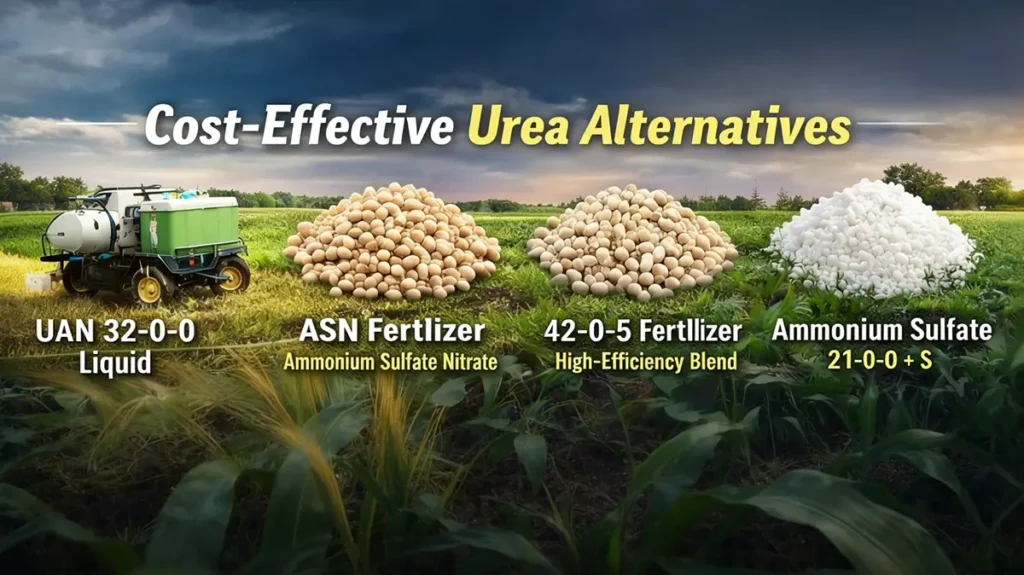
The best urea alternatives include ammonium sulfate, ammonium sulfate nitrate (ASN), UAN liquid fertilizers, and calcium ammonium nitrate (CAN). These options often provide more stable nitrogen availability and reduced nutrient loss compared to urea.
Farmers are shifting to urea alternatives due to rising urea prices, supply chain disruptions, and high nitrogen loss through volatilization. Alternative fertilizers can improve nitrogen use efficiency and provide more reliable crop nutrition.
UAN fertilizers offer greater flexibility and allow split applications aligned with crop demand, improving nutrient efficiency. However, proper management is needed to minimize nitrate leaching risks.
High-efficiency nitrogen fertilizers such as UAN, ASN, and stabilized blends typically deliver better nutrient utilization by combining multiple nitrogen forms and reducing losses during application.
Farmers can reduce nitrogen loss by using stabilized fertilizers, applying nitrogen in split doses, and selecting fertilizers that match soil and climate conditions. Proper timing and placement are critical to improving nitrogen use efficiency.
If you want to know other questions about fertilizer, please contact us and we will provide professional answers.
✔ Quick & helpful reply within 6 hours.
✔ Tailored solutions for your project.
✔ One-stop product, tech, market

Want to find a China fertilizer manufacturer?
Risso will be your best choice; send us your request for your fertilizer details requirement
© Copyright 2017 RISSO CHEMICAL. All Rights Reserved.