
















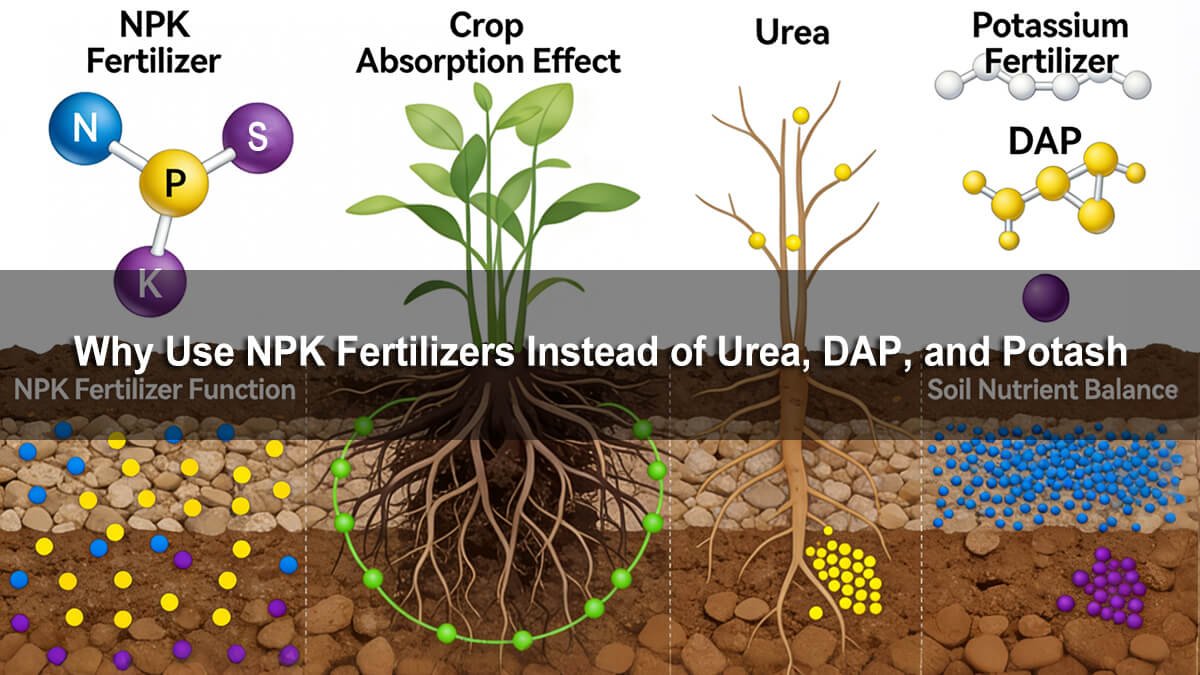
Learn why NPK fertilizers outperform using urea, DAP, and potash alone. Understand balanced nutrition, crop benefits, and how Risso supports sustainable farming.

With the upgrading of automobile emission standards, diesel exhaust treatment fluid has gradually become one of the main choices of automobile exhaust purification, the production of diesel exhaust treatment fluid is inseparable from the automobile-grade urea particles (previously Risso ...
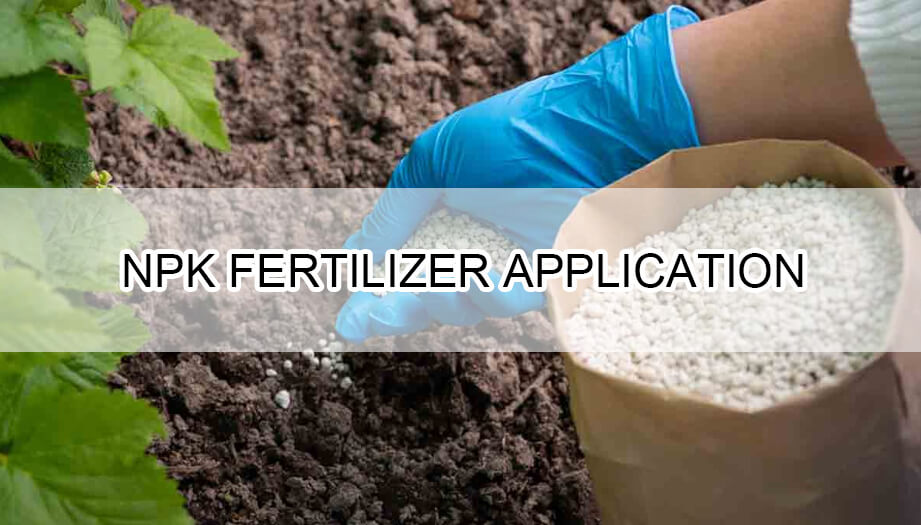
NPK fertilizer application refers to the process of applying nitrogen (N), phosphorus (P), and potassium (K) fertilizers to plants or crops to optimize their growth. The right application method and timing are crucial for ensuring that plants receive the necessary nutrients at the right stages of their growth cycle. Here are key factors and methods for applying NPK fertilizers

Solid urea or ammonium nitrate (ammonium nitrate phosphorus, etc.) is heated and melted to become a molten liquid. The corresponding phosphate fertilizer, potassium fertilizer, and other elements are added to the molten liquid. The additives are made into a mixed slurry and sprayed from the top of the granulation tower, so that the surface tension when it is...
NPK Compound fertilizer has high nutrient content and many types of nutrient elements. One application of compound fertilizer can supply at least two or more main nutrient elements to crops at the same time. The nutrient distribution of NPK fertilizer is relatively uniform. After forming particles, compared with powdered or crystalline unit fertilizers, it has....
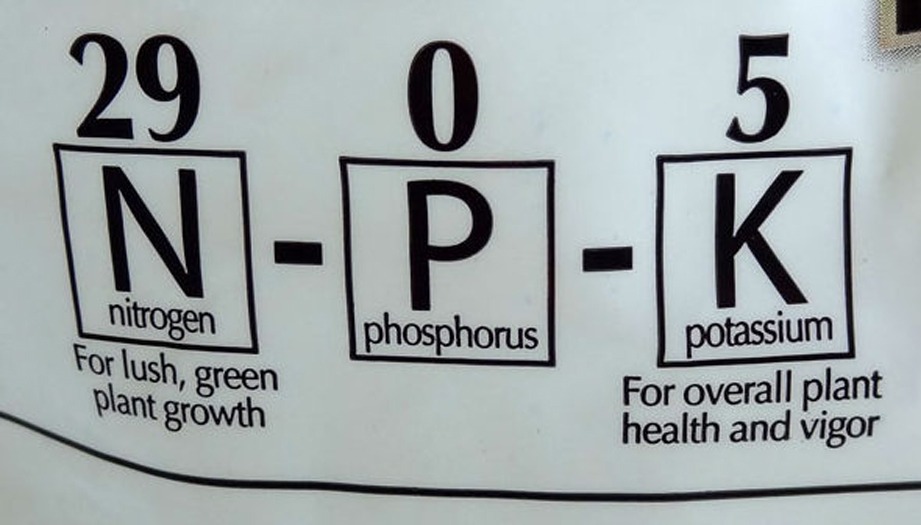
If you’re unfamiliar with the science behind fertilizers, you might be wondering, what does that trio of numbers on the fertilizer bag mean? The simplest explanation is that fertilizers are plant food. But when you walk into a plant store, greenhouse, or hardware store, it quickly becomes apparent that it’s not that simple. There will be a whole section teeming with different fertilizer options. Often it’s easiest to grab whichever one has the name of the plant you’re trying to feed, like tomato, or evergreen, or bloom fertilizer. Generally, it’s not a bad thing to pick up a fertilizer designed for the plant you want to feed. Plant-specific fertilizers have more of the targeted nutrients those pla
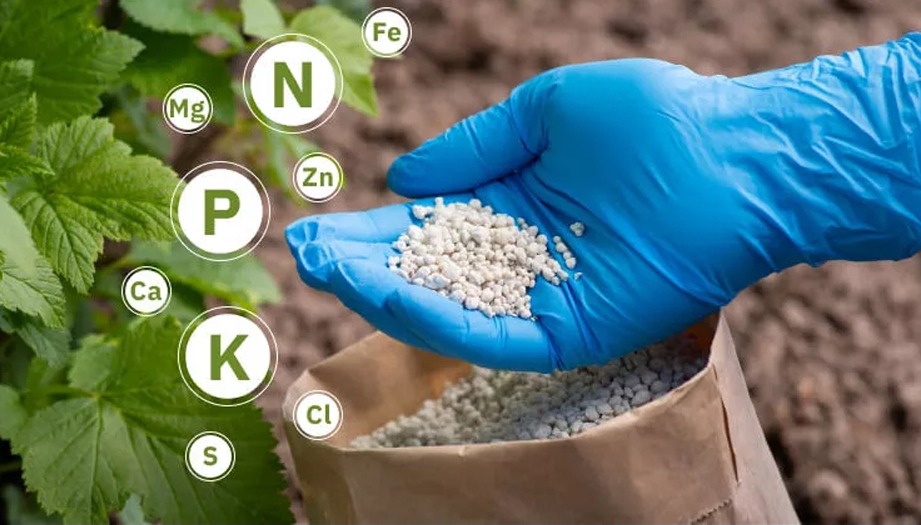
Types Of Fertilizers And How To Pick The Right One Fertilizers play a crucial role in ensuring that plants receive the nutrients they require for optimal growth and development. Different types of plant fertilizers are accessible to farmers, but the two most common are organic and inorganic. Nutrients in organic products are gradually released while the substance decomposes over time, while artificially synthesized inorganic products allow for the rapid uptake of nutrients by plants. However, the organic type of fertilizer is better for the soil and t

In our quest for vibrant gardens, organic garden fertilizer emerges as a hero. Sourced from natural materials, this fertilizer is rich in essential nutrients such as nitrogen, phosphorus, and potassium. Unlike chemical fertilizers, it improves soil structure, enhances microbial activity, and increases water retention. These benefits make organic garden fertilizer a cornerstone for healthy, flourishing plants.
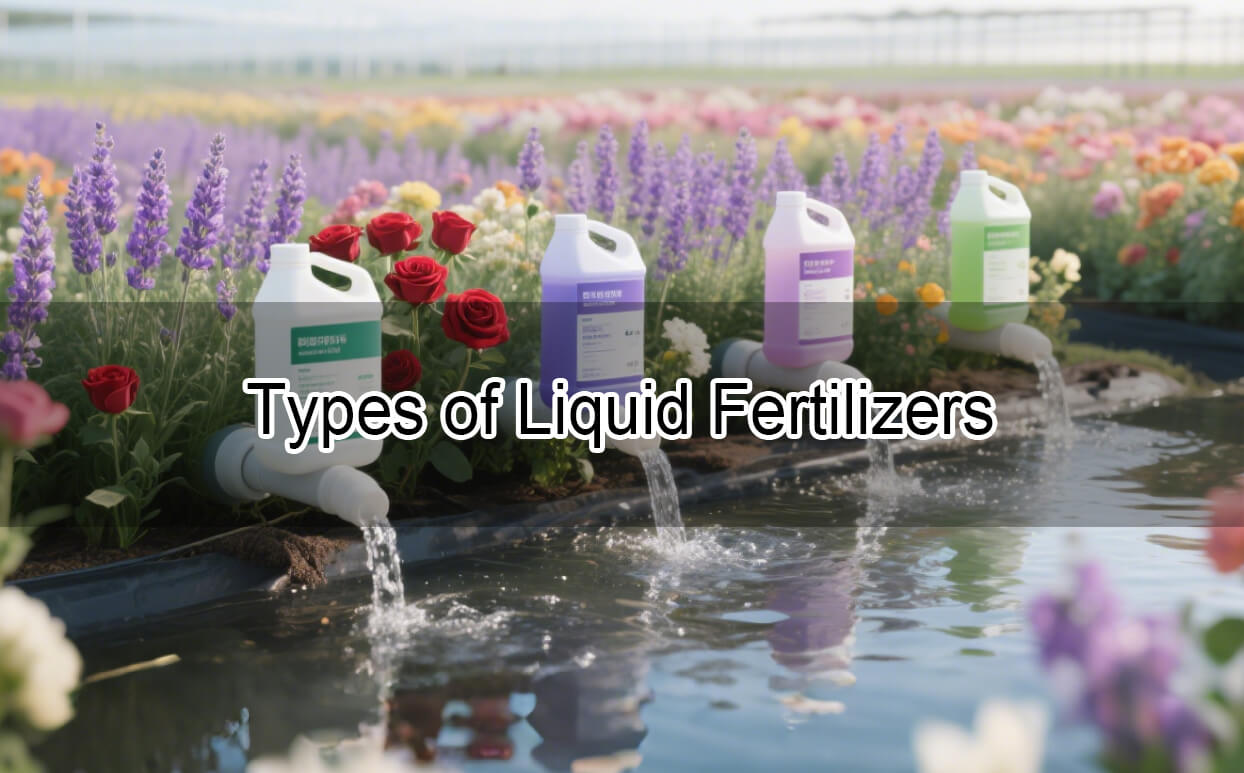
Explore all types of liquid fertilizers—mineral, organic, and biostimulant. Learn how UAN, NPK, fish emulsion, and humic acid boost crop yield and soil health.
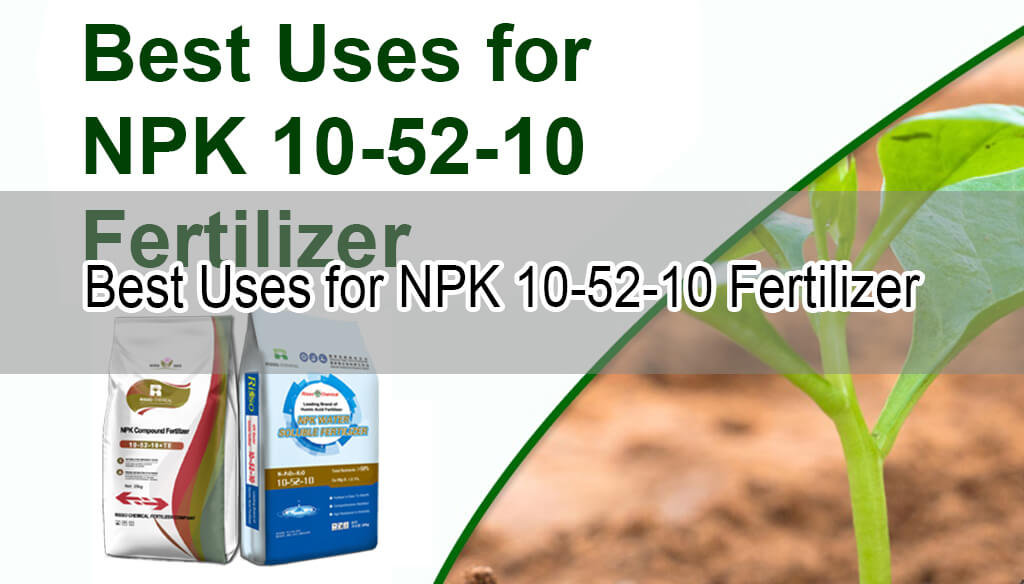
Discover the best uses for NPK 10-52-10 fertilizer, including its benefits for flowering plants, fruiting vegetables, and new plantings. Learn how to apply this high-phosphorus fertilizer effectively to enhance root development, promote blooming, and increase overall plant health. NPK 10-52-10 is available in two forms: a compound fertilizer and a water-soluble fertilizer.
