















2026-09-23
Select language:

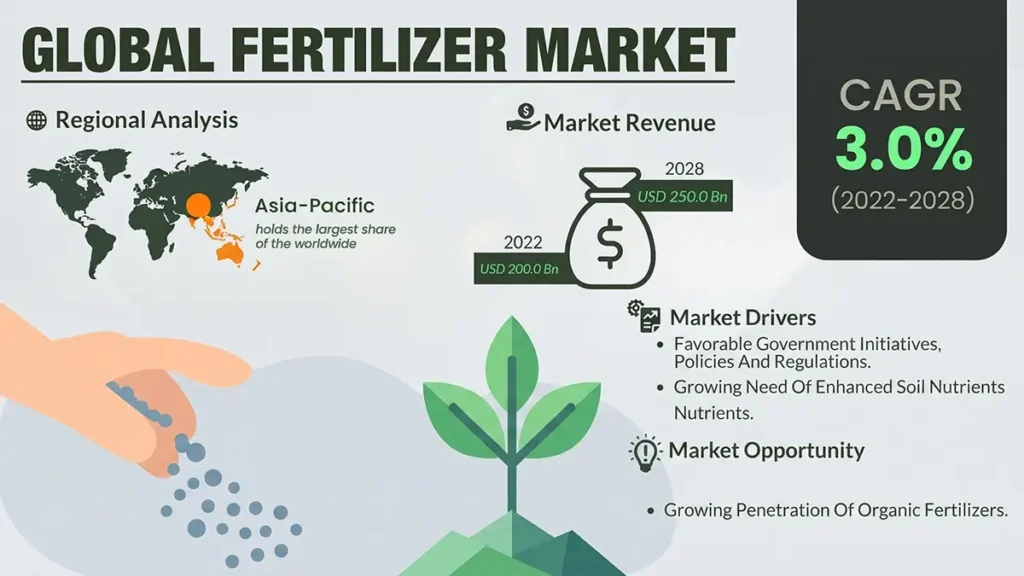
The global fertilizer market continues to evolve as nitrogen, phosphate, and potash prices respond to changes in energy costs, raw material availability, international trade, and agricultural demand. Understanding these fertilizer market trends helps distributors, importers, agricultural cooperatives, and growers make better purchasing decisions while improving long-term crop nutrition strategies.
As a global fertilizer manufacturer, Risso closely monitors international fertilizer prices, supply chain developments, and agricultural demand to help customers navigate a rapidly changing market while maintaining access to reliable crop nutrition solutions.
The global fertilizer market remains one of the most important segments of modern agriculture. Fertilizers support crop productivity, improve nutrient availability, and help meet the food requirements of a growing world population.
The market is primarily driven by three essential plant nutrients:
Nitrogen (N) – promotes vegetative growth and protein formation.
Phosphorus (P) – supports root development, flowering, and energy transfer.
Potassium (K) – improves crop quality, stress tolerance, and water-use efficiency.
Global demand for NPK fertilizers, water-soluble fertilizers, urea fertilizer, and specialty crop nutrition products continues to grow as farmers focus on higher yields, better nutrient use efficiency (NUE), and sustainable farming practices.
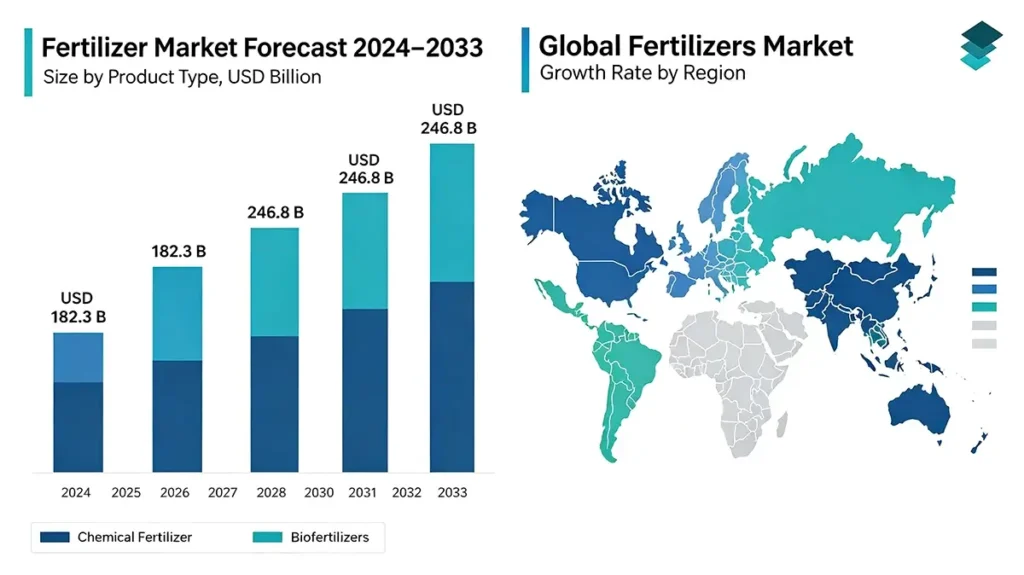
Nitrogen fertilizers are highly sensitive to natural gas prices because ammonia production is energy-intensive. Rising energy costs typically increase ammonia, urea, UAN, and ammonium nitrate production costs.
Key raw materials include phosphate rock, sulfur, potash ore, and natural gas. Supply disruptions in any of these markets can quickly affect global fertilizer prices.
Ocean freight rates, port congestion, export policies, and geopolitical events all influence fertilizer availability and pricing across major importing regions.
Demand for corn, wheat, rice, soybean, oil palm, sugarcane, fruits, and vegetables continues to support long-term fertilizer consumption worldwide.
Nitrogen fertilizers remain the largest segment of the global fertilizer industry.
Major nitrogen products include:
Urea 46-0-0
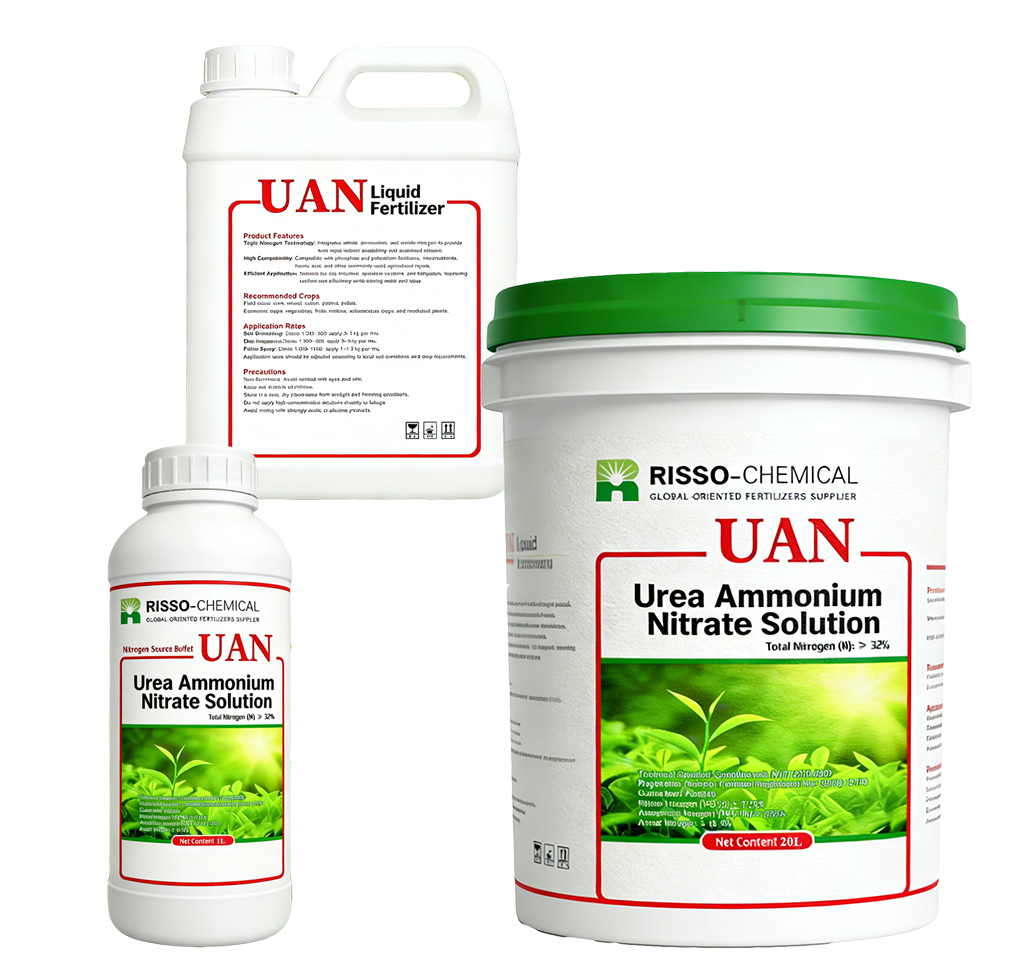
UAN 32
Ammonium Nitrate
Calcium Ammonium Nitrate (CAN)
Ammonium Sulfate
Recent fertilizer industry analysis shows that global urea prices have experienced periods of volatility driven by energy costs, export restrictions, seasonal demand, and supply chain disruptions. However, expanding production capacity in several regions has helped improve market availability.
Natural gas prices
Ammonia production costs
Export policies
Plant operating rates
Seasonal agricultural demand
Major urea-producing regions include:
Changes in production levels or export policies from these regions can influence international fertilizer markets.
The nitrogen market is expected to remain structurally strong through 2026–2028 because global grain production continues to expand.
Key trends include:
Growing demand for coated urea and controlled-release fertilizers
Increased adoption of nitrogen stabilizers
Investment in low-carbon ammonia production
Greater focus on nitrogen use efficiency (NUE)
Phosphate fertilizers provide the phosphorus needed for root development, early growth, flowering, and energy metabolism.
Main phosphate products:
MAP (Monoammonium Phosphate)
DAP (Diammonium Phosphate)
TSP (Triple Superphosphate)
Phosphoric Acid
The phosphate fertilizer market has remained relatively firm because phosphate rock resources are concentrated in a limited number of producing countries, sulfur costs influence production economics, and agricultural demand remains stable.
As a result, DAP fertilizer prices and MAP fertilizer prices tend to react quickly when supply concerns emerge.
Long-term demand for phosphate fertilizers is expected to remain positive because phosphorus is an essential nutrient that cannot be substituted in crop production.
Growth areas include:
High-analysis phosphate fertilizers
Customized NPK formulations
Precision phosphorus management
Balanced crop nutrition programs
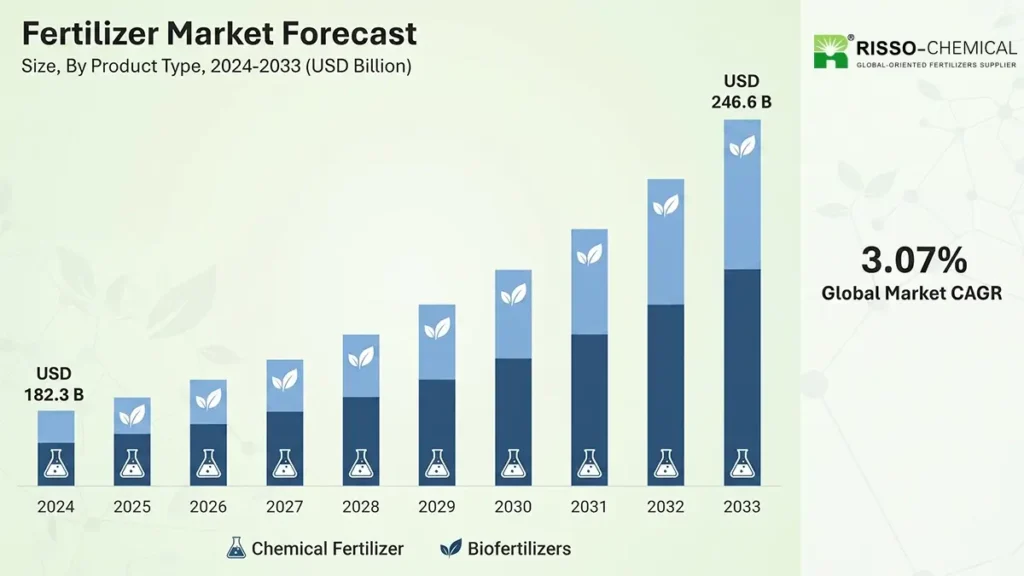
Potassium fertilizers improve drought resistance, disease tolerance, nutrient transport, and crop quality.
Major potash products:
MOP (Muriate of Potash)
SOP (Sulfate of Potash)
Potassium Nitrate
Compared with nitrogen and phosphate fertilizers, the potash market has generally been more stable because production capacity is relatively concentrated but balanced among major producers.
Key producing regions include:
Canada
Russia
Belarus
Middle East producers
Long-term demand for potassium fertilizers is expected to grow steadily as farmers focus on crop quality, fruit production, water-use efficiency, and climate resilience.
Many analysts expect MOP fertilizer prices to remain relatively stable with periodic adjustments based on global demand and trade conditions.
Fertilizer Type | Primary Cost Driver | Current Trend | Long-Term Outlook |
|---|---|---|---|
Nitrogen (Urea, UAN, CAN) | Natural Gas | Moderate Volatility | Stable Demand |
Phosphate (DAP, MAP) | Phosphate Rock & Sulfur | Firm Prices | Positive Growth |
Potash (MOP, SOP) | Mining Capacity | Relatively Stable | Gradual Expansion |
Key drivers include rising food demand, expansion of high-value crops, adoption of precision agriculture, and increasing emphasis on sustainable farming and nutrient management.
The fertilizer industry faces several long-term supply chain challenges.
Production of phosphate rock, potash ore, and other key inputs is concentrated in a limited number of countries, creating potential supply risks.
Because fertilizers are traded internationally, ocean freight rates and port availability remain important pricing factors.
Farmers increasingly seek solutions that maximize return on investment through precision fertilization, improved nutrient efficiency, and customized fertilizer programs.
For agricultural distributors and fertilizer importers, selecting a reliable manufacturing partner has become just as important as monitoring fertilizer price trends. Risso continues to invest in advanced production technology, strict quality management, and flexible OEM/ODM fertilizer solutions to help customers maintain a stable supply even during periods of market volatility.
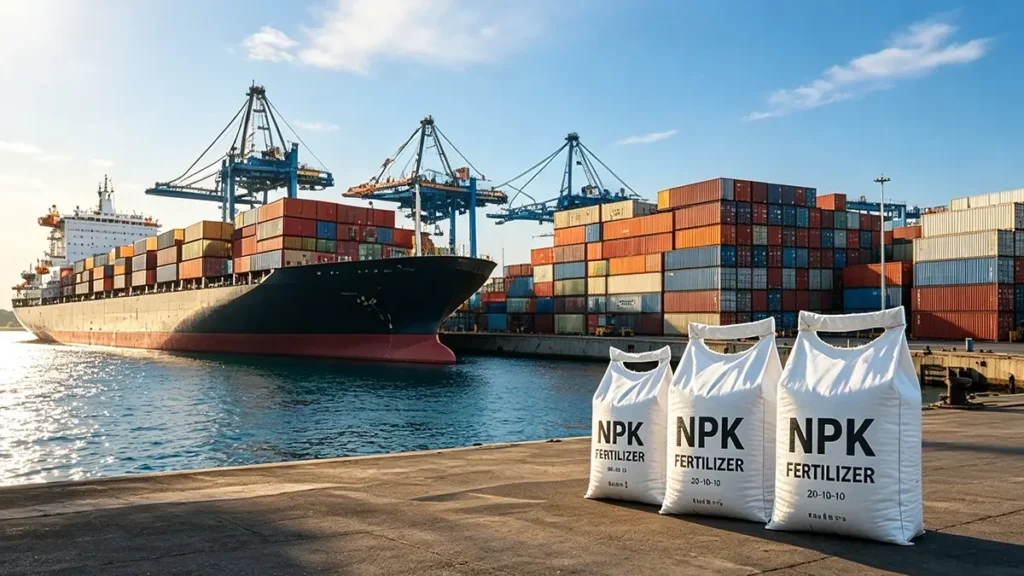
Most industry forecasts suggest that the global fertilizer market will continue to expand over the next several years.
Key drivers include rising food demand, expansion of high-value crops, adoption of precision agriculture, and increasing emphasis on sustainable farming and nutrient management.
Fertilizer price volatility is likely to remain a feature of global agricultural markets. Farmers can reduce risk by:
Purchasing fertilizers before peak seasonal demand.
Diversifying fertilizer sources and suppliers.
Conducting regular soil testing.
Optimizing fertilizer application rates.
Using precision agriculture technologies.
Improving Nutrient Use Efficiency (NUE).
Adopting balanced fertilization programs that include secondary nutrients and micronutrients.
These practices can help reduce fertilizer costs per unit of crop production while maintaining or improving yields.
Modern agriculture is shifting from applying more fertilizer to applying fertilizer more efficiently.
GPS-guided fertilizer application
Variable-rate technology (VRT)
Crop monitoring sensors
Fertilizer calculators
Digital agronomy platforms
Controlled-release fertilizers
Water-soluble fertilizers
Micronutrient fertilizers
Humic acid fertilizers
Chelated nutrient products
The goal is to improve crop yield while reducing nutrient losses to the environment.
Looking ahead, the fertilizer industry is expected to focus on:
More resilient global supply networks
Regional production capacity expansion
Lower-carbon fertilizer manufacturing
Customized crop nutrition solutions
Digital agriculture integration
Improved nutrient use efficiency
Sustainable farming practices
Companies that combine manufacturing reliability, agronomic expertise, and innovation are likely to be best positioned for long-term growth.
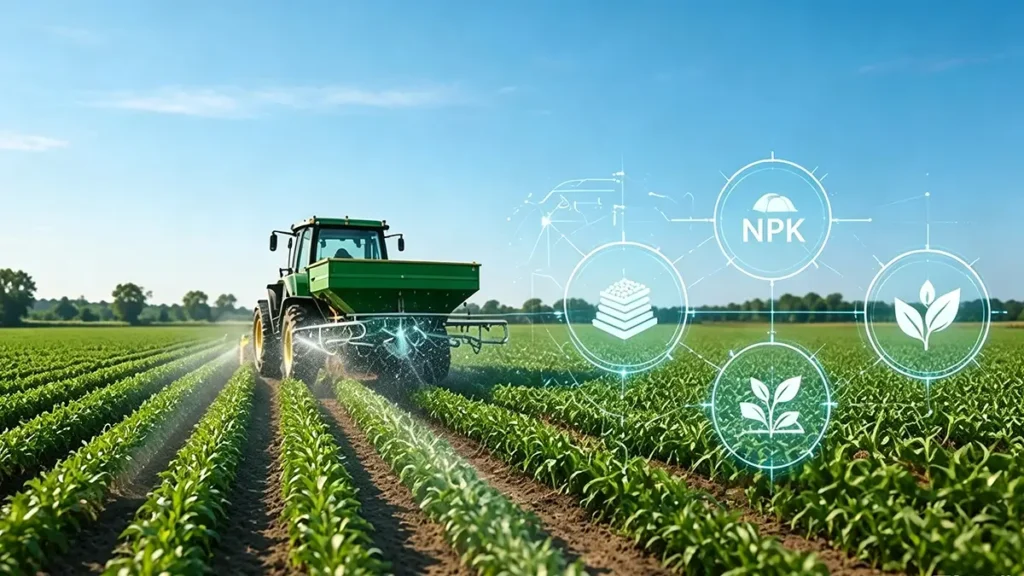
The global fertilizer market continues to experience significant transformation driven by energy costs, raw material availability, international trade, agricultural demand, and sustainability requirements.
While nitrogen fertilizer prices, phosphate fertilizer prices, and potash fertilizer prices will continue to fluctuate, the long-term outlook for efficient crop nutrition remains positive. Farmers, distributors, and fertilizer importers who focus on supply reliability, nutrient efficiency, and sustainable production practices will be better positioned to succeed in an increasingly competitive agricultural environment.
Whether sourcing NPK fertilizers, water-soluble fertilizers, urea, controlled-release fertilizers, or customized crop nutrition products, partnering with an experienced manufacturer can improve both supply security and long-term business performance.
Risso is committed to providing high-quality fertilizer products, customized nutrient solutions, and professional technical support for customers worldwide, helping growers achieve higher yields while promoting sustainable agriculture and efficient nutrient management.
Fertilizer prices are influenced by energy costs, raw material availability, global trade, transportation, weather, and agricultural demand.
Urea prices may fluctuate depending on natural gas prices and global supply conditions, but long-term demand remains strong.
DAP prices are primarily affected by phosphate rock costs, sulfur prices, production rates, and international trade flows.
Potash markets are generally more stable than nitrogen markets, although prices can still change in response to global demand and supply disruptions.
Specialty fertilizers, controlled-release fertilizers, and water-soluble fertilizers are among the fastest-growing segments.
Farmers can reduce costs through soil testing, precision application, balanced fertilization, and improved nutrient use efficiency.
Most forecasts indicate continued long-term growth driven by food demand, crop productivity requirements, and sustainable agriculture initiatives.
Balanced nutrition helps optimize yield, improve crop quality, increase nutrient efficiency, and support long-term soil fertility.
If you want to know other questions about fertilizer, please contact us and we will provide professional answers.
✔ Quick & helpful reply within 6 hours.
✔ Tailored solutions for your project.
✔ One-stop product, tech, market

Want to find a China fertilizer manufacturer?
Risso will be your best choice; send us your request for your fertilizer details requirement
© Copyright 2017 RISSO CHEMICAL. All Rights Reserved.