Select language


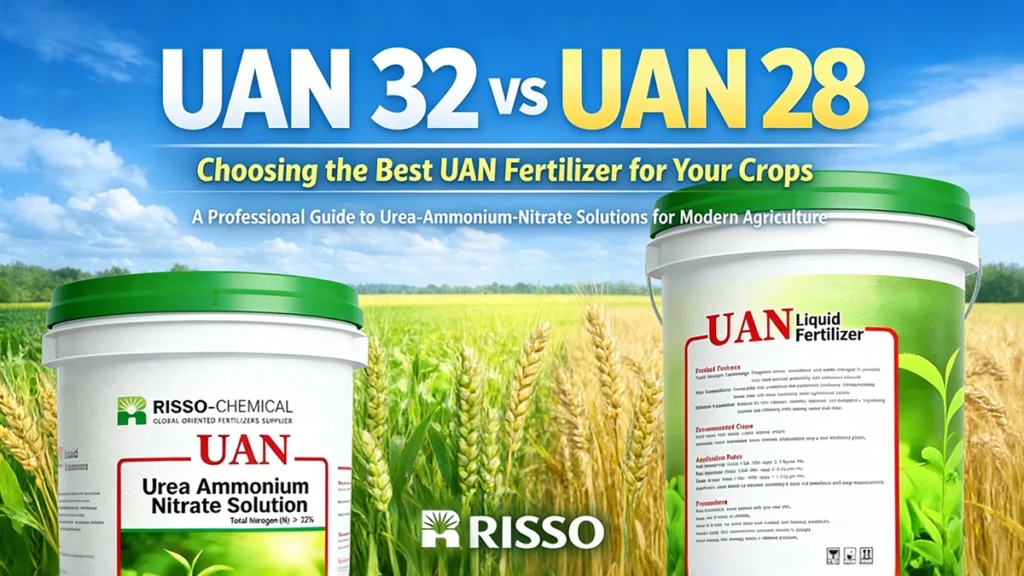
Nitrogen plays a crucial role in plant growth, chlorophyll production, and crop productivity. Among modern nitrogen sources, UAN 32 fertilizer is widely used because it delivers three forms of nitrogen—urea, ammonium, and nitrate—in a single liquid solution. This balanced composition provides both immediate nutrient availability and sustained nitrogen release throughout crop development.
As a versatile liquid nitrogen fertilizer, UAN 32 can be applied through soil application, fertigation, side-dressing, or foliar feeding, making it ideal for modern precision agriculture systems. When applied properly, it can significantly improve nitrogen use efficiency and maximize crop yield.
Professional fertilizer manufacturers such as Risso supply high-quality UAN solutions designed to support efficient crop nutrition while meeting the needs of large-scale agricultural production.
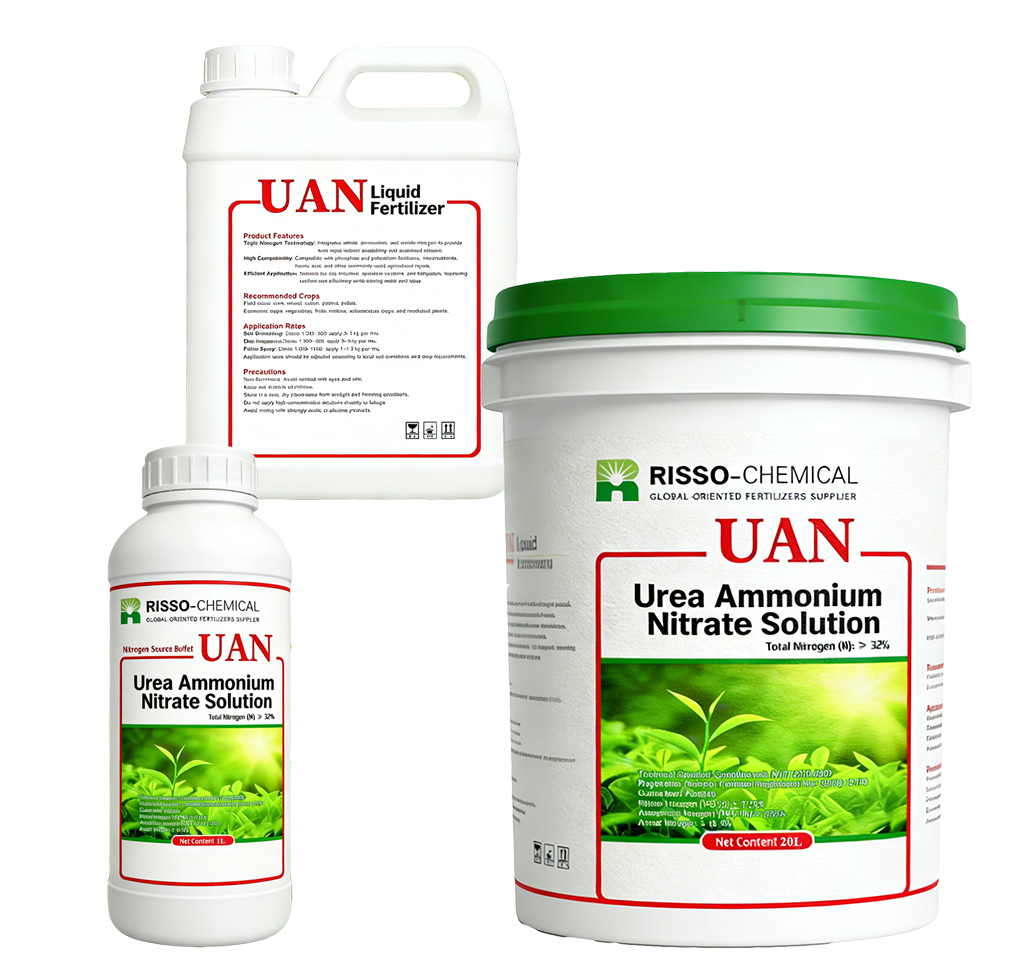
UAN 32 fertilizer is a liquid nitrogen fertilizer containing 32% total nitrogen, commonly used in commercial agriculture and large-scale crop production.
Typical nitrogen composition includes:
Because it contains three nitrogen forms, UAN fertilizer provides both rapid and sustained nitrogen availability, making it highly suitable for crops with high nitrogen demand such as corn, wheat, and other cereals.
Liquid fertilizers like UAN 32 are also compatible with modern nutrient management practices, including precision application and irrigation-based fertilization systems.
Synchronizing fertilizer applications with crop growth stages ensures that nitrogen is available when plants need it most.
This method is commonly used in grain crop production systems.
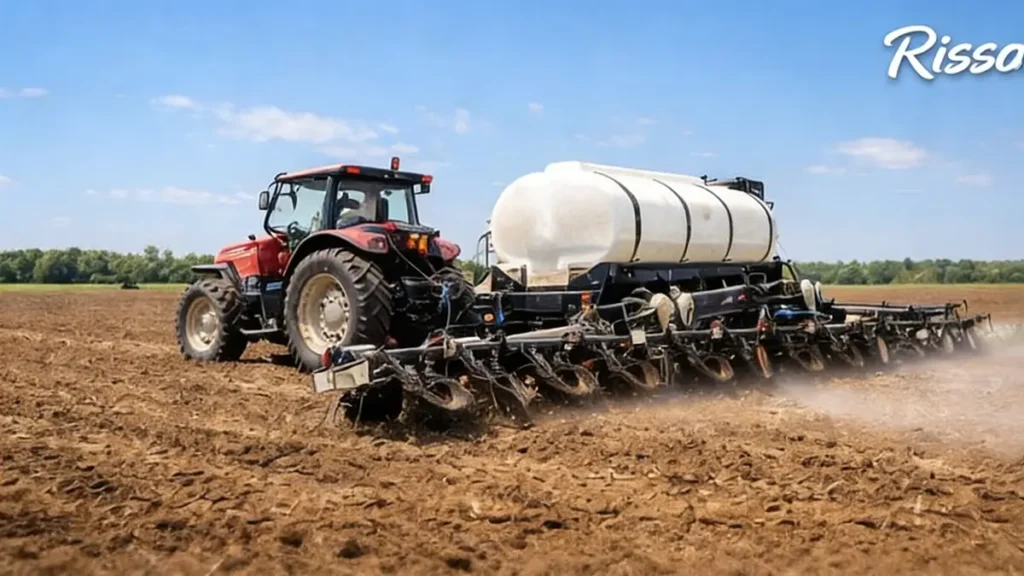
The fertilizer is placed beside crop rows after emergence, allowing plants to access nitrogen during rapid growth stages.
Advantages include:This technique is widely used in corn and wheat cultivation.
Foliar feeding provides a rapid nutrient boost when crops show deficiency symptoms.
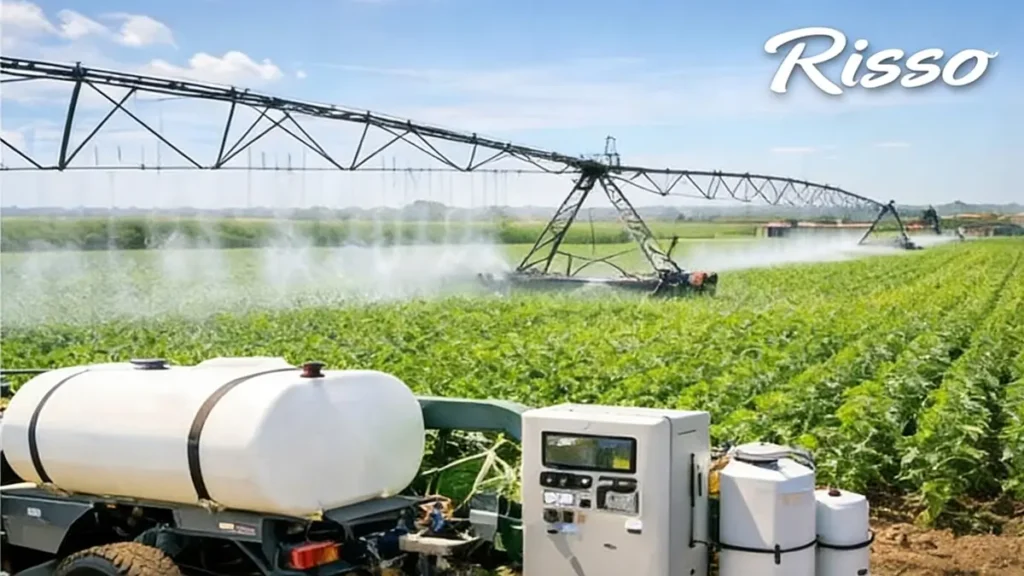
Fertigation delivers nutrients directly to the root zone, improving fertilizer efficiency while reducing runoff.
Reliable suppliers like Risso provide liquid nitrogen fertilizers suitable for fertigation and precision nutrient management programs.

| Crop | Typical Rate |
|---|---|
| Corn | 150–250 kg/ha |
| Wheat | 100–200 kg/ha |
| Soybeans | 80–150 kg/ha |
| Vegetables | 100–200 L/ha |
Many farmers use split nitrogen applications, applying fertilizer in several stages rather than all at once. This approach improves nitrogen efficiency and reduces nutrient loss.
| Growth Stage | Purpose |
|---|---|
| Pre-plant | Establish nitrogen reserves |
| Early vegetative stage | Promote leaf growth |
| Rapid growth stage | Support biomass production |
| Pre-flowering stage | Maintain nutrient supply |
Applying nitrogen during these periods helps match nutrient availability with plant demand, which is essential for maximizing crop yield.
Different crops respond differently to nitrogen fertilization.
This maintains consistent nutrient availability without excessive vegetative growth.
Practices such as split applications, fertigation, and precision nutrient management can significantly reduce nitrogen loss while maintaining crop productivity.
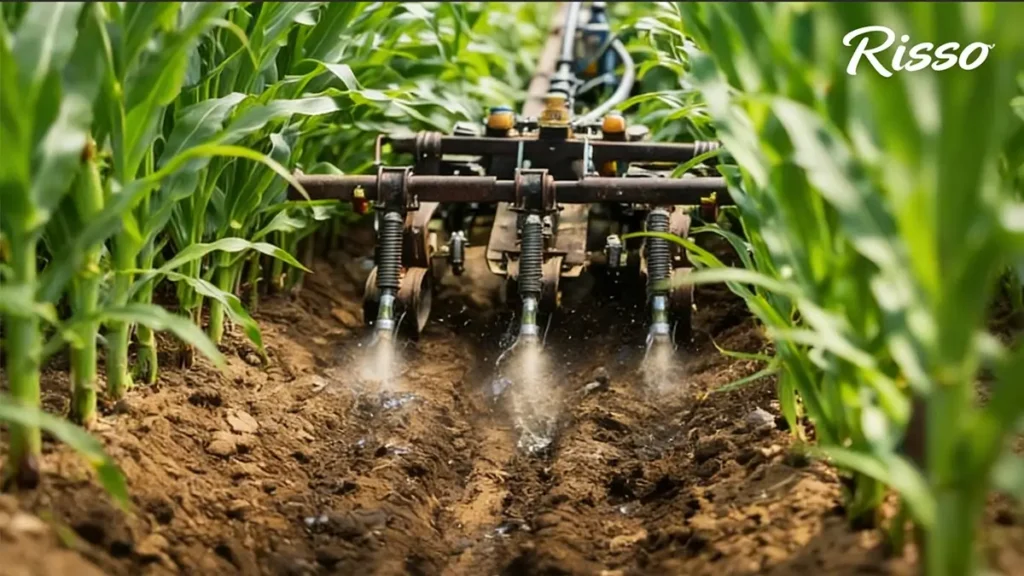
Proper management of UAN 32 fertilizer is essential for maximizing crop yield and improving nitrogen use efficiency.
By selecting the right application method, fertilizer rate, and timing, growers can ensure crops receive nitrogen at critical growth stages.
Key strategies include:
When integrated into a well-planned nutrient management program, UAN 32 liquid fertilizer provides an efficient and flexible solution for modern crop production.
Agricultural producers seeking consistent quality often work with established suppliers such as Risso, which provide professional fertilizer solutions for global crop production.
UAN 32 fertilizer can be applied using several common agricultural methods:
Pre-plant soil application
Side-dress application between crop rows
Foliar spraying (diluted solution)
Fertigation through irrigation systems
These flexible methods make UAN 32 suitable for modern precision agriculture and liquid fertilizer programs.
The UAN 32 fertilizer application rate depends on crop type, soil fertility, and yield targets. Typical rates include:
100–300 L/ha for field crops
Lower diluted rates for foliar application
Split applications during key growth stages
Dividing nitrogen applications improves nitrogen use efficiency and crop yield.
UAN 32 is commonly used for high nitrogen-demand crops, including:
Corn (maize)
Wheat and barley
Canola (rapeseed)
Soybeans
Vegetables
These crops benefit from the balanced nitrogen supply provided by liquid UAN fertilizer.
Yes. UAN 32 fertilizer is often compatible with other agricultural inputs, such as:
Micronutrient fertilizers
Herbicides
Fungicides
Plant growth regulators
Tank mixing allows farmers to combine fertilization and crop protection in one application, improving field efficiency.
To ensure safe and effective application:
Avoid spraying during high temperatures
Dilute properly for foliar feeding
Apply in the morning or evening
Use split applications instead of large single doses
Proper management helps maximize nitrogen efficiency and crop productivity.
If you want to know other questions about UAN Fertilizer, please contact us and we will provide professional answers.
✔ Quick & helpful reply within 6 hours.
✔ Tailored solutions for your project.
✔ One-stop product, tech, market

Want to find a China fertilizer manufacturer?
Risso will be your best choice; send us your request for your fertilizer details requirement
© Copyright 2017 RISSO CHEMICAL. All Rights Reserved.