















2026-10-21
Select language:


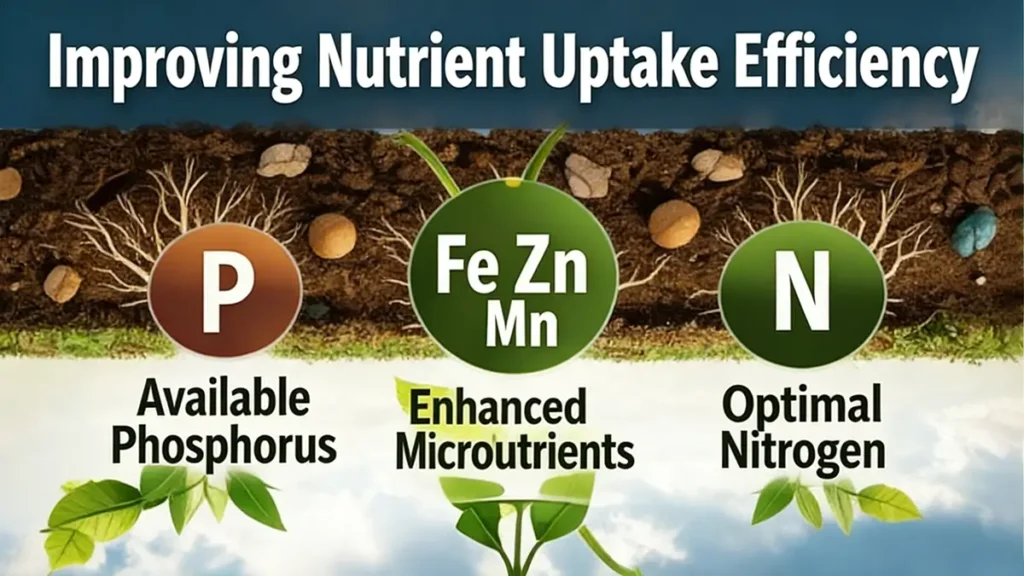
Soil pH is a critical factor influencing plant nutrient availability and overall crop yield. In alkaline soils, nutrients such as phosphorus (P), iron (Fe), zinc (Zn), and manganese (Mn) can become insoluble, limiting plant uptake. Correcting soil pH is therefore essential for maximizing nutrient use efficiency (NUE).
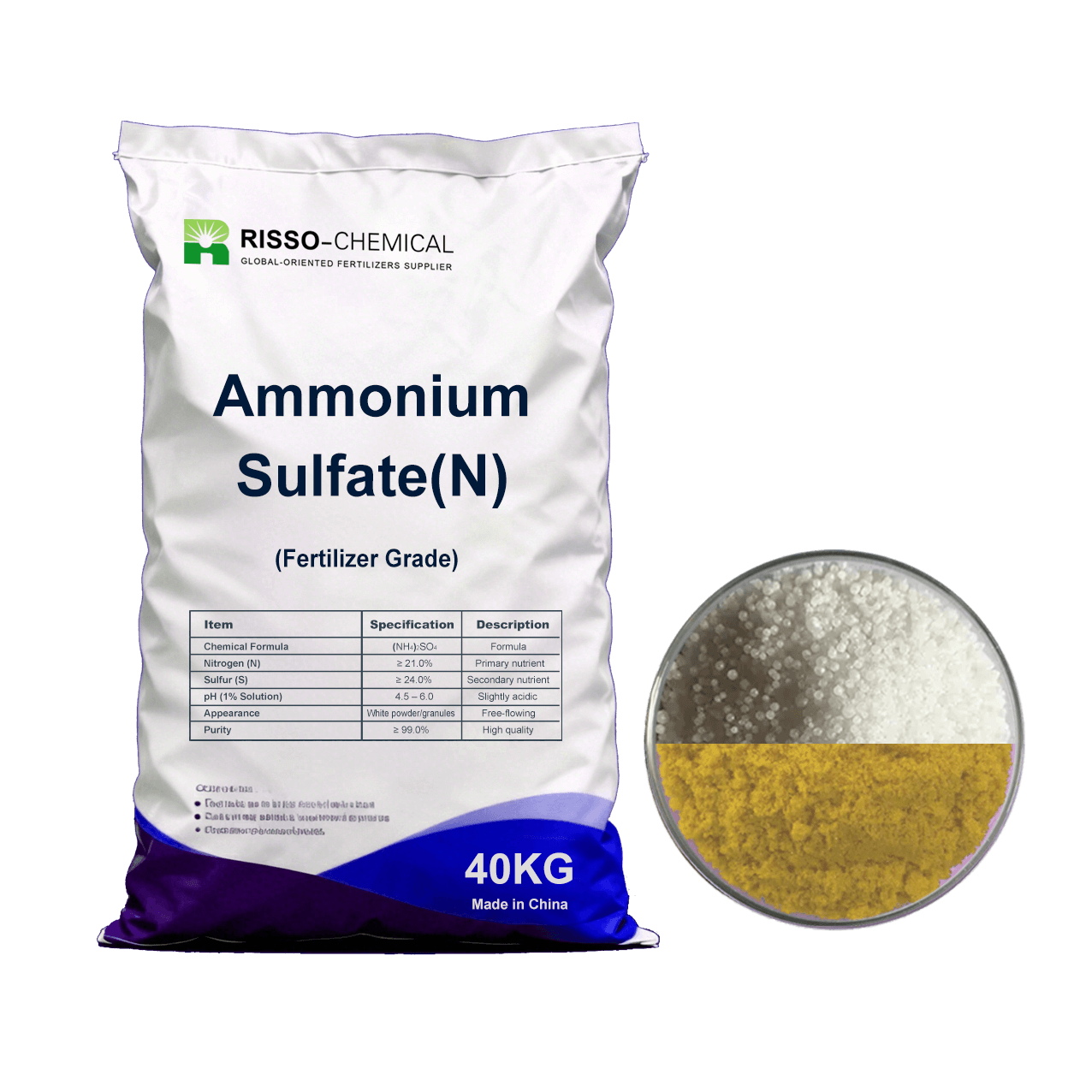
Fertilizers like ammonium Sulfate, offered by trusted suppliers such as Risso Fertilizer, provide a reliable solution for adjusting soil chemistry while supplying essential nitrogen and sulfur.
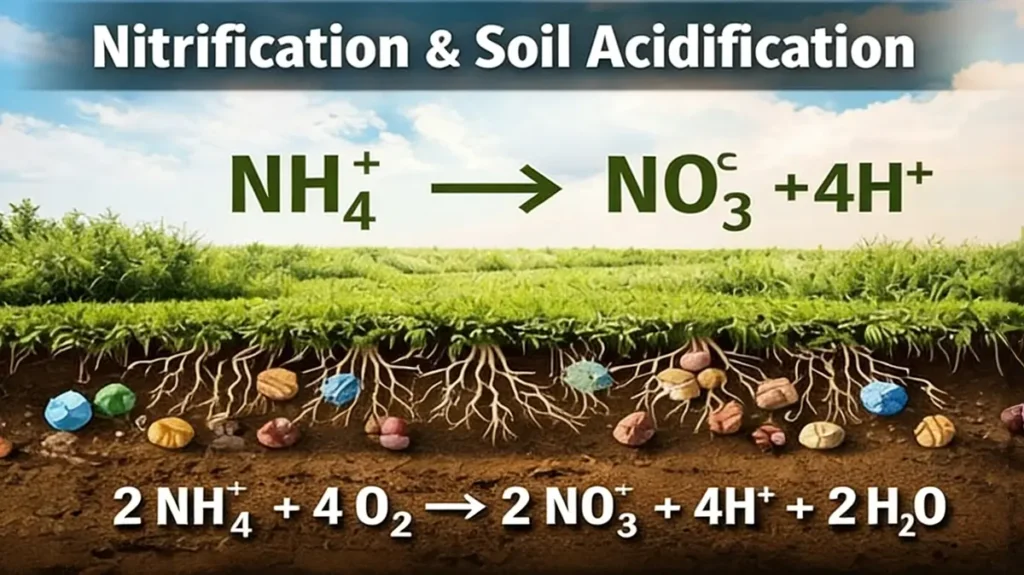
Ammonium sulfate ((NH₄)₂SO₄) is a dual-function fertilizer providing both nitrogen (≈21%) and sulfur (≈24%). Its nitrogen is in the ammonium form (NH₄⁺), which is readily absorbed by plants and also contributes to soil acidification, particularly in alkaline soils.
The sulfur content improves plant metabolism and enhances enzyme activity, making ammonium sulfate an ideal choice for crops like rice, wheat, maize, and sulfur-demanding vegetables. Its use in precision nutrient management programs supports both yield optimization and environmental sustainability.
Increasing phosphorus availability: Reduces formation of calcium-phosphate complexes, allowing better root uptake.
Enhancing micronutrient solubility: Elements like Fe, Zn, and Mn become more accessible in slightly acidic soils.
Improving nitrogen use efficiency: Ammonium nitrogen uptake in combination with nitrification management reduces losses and synchronizes nutrient supply with crop demand.
These mechanisms highlight how targeted ammonium sulfate application can improve both macro- and micronutrient absorption, supporting higher yields and better crop quality.
Split Applications: Dividing fertilizer into multiple doses during critical growth stages improves nutrient uptake and minimizes nitrogen loss.
Precision Fertilization: Combining ammonium sulfate with other fertilizers in Risso Fertilizer’s integrated nutrient plans enhances overall nutrient use efficiency.

Alkaline or calcareous soils: Corrects pH and improves phosphorus availability.
Sulfur-deficient soils: Supplies essential sulfur for enzyme function and amino acid synthesis.
High-demand crops: Rice, wheat, maize, vegetables, and oilseeds benefit from split ammonium sulfate applications synchronized with growth stages.
Avoid excessive use in already acidic soils to prevent root stress, aluminum toxicity, or nutrient imbalance.
Excess soil acidification, suppressing microbial activity
Reduced availability of base cations like calcium (Ca²⁺) and magnesium (Mg²⁺)
Potential buildup of soluble toxic metals
Mitigation strategies include regular soil pH monitoring, liming if needed, and adhering to recommended application rates for crop-specific requirements.
Ammonium sulfate is a versatile fertilizer that:
Adjusts soil pH in alkaline conditions
Enhances nutrient uptake efficiency
Supplies both nitrogen and sulfur for healthy crop growth
Using soil testing, split applications, and crop-specific strategies, growers can improve overall nutrient use efficiency, maximize yield, and maintain long-term soil health. Integrating ammonium sulfate into precision fertilization programs is a key component of modern, sustainable crop production.
Partnering with trusted suppliers like Risso Fertilizer ensures consistent quality and reliable performance, making it easier to achieve sustainable, high-efficiency fertilization.
No. Applying ammonium sulfate to already acidic soils (pH <6.0) may worsen acidity and increase toxic metal solubility, which can reduce root growth and nutrient uptake.
It is most effective in neutral to alkaline soils (pH ≥7.0), where it helps unlock nutrients and improve overall nutrient use efficiency. Careful application is recommended for soils with very high pH.
The acidifying effect depends on soil type and buffering capacity. Typical application rates produce gradual pH changes, which accumulate over seasons, especially in sandy soils with low buffering.
Conduct soil tests to determine pH and nutrient status.
Apply to moist soil and water in immediately to reduce nitrogen loss.
Use split applications during key growth stages to maximize nutrient uptake and efficiency.
Common crops include:
Field crops: corn, wheat
Vegetables: tomatoes, leafy greens
Acid-loving crops: blueberries (especially in alkaline soils)
These crops gain from improved nitrogen nutrition and enhanced micronutrient availability.
If you want to know other questions about Ammonium Sulfate, please contact us and we will provide professional answers.
✔ Quick & helpful reply within 6 hours.
✔ Tailored solutions for your project.
✔ One-stop product, tech, market

Want to find a China fertilizer manufacturer?
Risso will be your best choice; send us your request for your fertilizer details requirement
© Copyright 2017 RISSO CHEMICAL. All Rights Reserved.